10 Best Cat Food For Allergies
From leading brands and best sellers available on the web.By clicking on a link to a third party's website, log data is shared with that third party.

Recommended lists

Top rated
Dog Food For Skin Allergies
Buying Guide for the Best Cat Food For Allergies
Choosing cat food for allergies can feel a bit overwhelming, but understanding your cat’s needs and the types of allergies they might have is the perfect place to start. Cats can be allergic to certain ingredients, typically proteins or grains, and it's important to select food that minimizes the chances of a reaction. Focus on reading labels, looking for limited ingredients, and always observe how your cat reacts to new foods. As you compare options, use the key specs below to help narrow down what might be best for your feline friend.Protein SourceThe protein source is the main type of meat or fish in the food, like chicken, turkey, salmon, or even novel proteins such as duck or venison. This is especially important because many cat allergies are linked to common proteins found in their diet. Foods with a single, clearly labeled protein source can make it easier to avoid triggers and identify any allergies your cat may have. If your cat’s allergies are known, select a food that does not include that particular protein. If you’re unsure, starting with novel or less common proteins might help reduce allergies.
Limited Ingredient FormulaA limited ingredient formula uses fewer ingredients overall. This is important for simplifying your cat’s diet and making it easier to avoid potential allergens. The fewer the ingredients, the lower the chance of your pet reacting to something in the food. Look for foods with short ingredient lists and avoid those with lots of additives and fillers, especially if your cat has a history of sensitivities.
Grain-FreeGrain-free cat foods do not include grains like wheat, corn, or soy. Some cats are sensitive or allergic to grains, and removing these from the diet can ease symptoms like itching or digestive upset. If your cat has been diagnosed with a grain allergy, or you suspect grains could be the cause, then grain-free options are a good place to start. If your vet thinks grains aren’t an issue, this spec may not be as critical.
Type of Food (Wet vs. Dry)Cat food comes in both wet (canned) and dry (kibble) forms. Both have options designed for cats with allergies. Wet food is typically easier to digest and may contain fewer preservatives, while dry food is more convenient for storage and feeding. Your choice might depend on your cat’s preference and any other health considerations—some cats with dental or kidney issues do better on wet food. Observing your cat’s reaction to each type is a good way to find the best fit.
Additive-Free/Natural PreservativesSome cat foods contain artificial preservatives, colors, or flavors, which can sometimes trigger allergies or sensitivities. Foods that are labeled as additive-free or those using natural preservatives like Vitamin E or Vitamin C can be gentler for allergy-prone cats. Look for clear labeling about the absence of artificial additives if your cat tends to have reactions.
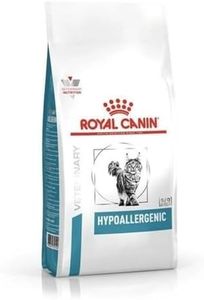
Veterinary Diet or Prescription FoodSome cat foods are specially formulated and available only through a veterinarian’s prescription. These foods are designed for severe allergies and often undergo special processing to make them less likely to cause reactions. If your cat has a serious or difficult-to-manage allergy, your vet may suggest a veterinary diet. These foods are more controlled and can be tailored specifically to your cat’s medical needs.