10 Best Ceiling Speaker Systems
From leading brands and best sellers available on the web.By clicking on a link to a third party's website, log data is shared with that third party.
Related Products
Up to 10% off


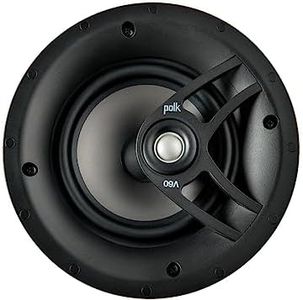
Buying Guide for the Best Ceiling Speaker Systems
Choosing a ceiling speaker system is all about understanding your space, your listening needs, and how you want the speakers to blend with your room. Ceiling speakers are a great solution for people who want audio throughout their space without cluttering it with equipment. Before you shop, think about what you'll use the system for— casual background music, home theater sound, or maybe audio for a business space. Also, consider room size, ceiling height, and how much you care about sound quality versus appearance or installation simplicity.Speaker SizeSpeaker size generally refers to the diameter of the main driver inside each ceiling speaker, often measured in inches. Larger speakers (like 8-inch units) can produce deeper bass and fill larger rooms with sound, while smaller speakers (like 5-6.5 inch types) take up less space and are easier to fit in tighter ceilings. If you want more bass and are outfitting a large or open room, bigger is usually better. For smaller rooms or when subtlety is key, mid-size or smaller speakers can work just fine.
Power Handling (Wattage)Power handling is how much power (in watts) a speaker can handle from an amplifier without being damaged. Lower wattage speakers are great for background music and smaller rooms, while higher wattage speakers are better if you want louder, more dynamic sound in bigger areas or for home theater use. Choose the power handling that matches your use: casual listeners don't need a lot, but movie-lovers or those hosting gatherings might want more power for impact.
SensitivitySensitivity indicates how efficiently a speaker converts amplifier power into sound, usually measured in decibels (dB). Higher sensitivity (e.g., 89 dB and up) means the speaker will sound louder at a given power level. If you have a less powerful amplifier, a higher sensitivity rating helps you get more sound; if you already have a strong amp or don't need very loud audio, sensitivity matters a bit less.
Speaker Type (2-way vs. 3-way)Ceiling speakers come in different types, often described as 2-way or 3-way. A 2-way speaker has a woofer for bass and a tweeter for high tones, while a 3-way adds a midrange driver for more detailed sound. If you're an audiophile or using them for home theater, 3-ways can provide richer, more balanced audio. For everyday background listening, 2-ways are typically sufficient.
Installation Design (Flush-mount, Adjustable Tweeter, Moisture Resistance)How the speaker is designed for installation can impact your experience. Flush-mount speakers blend seamlessly with ceilings, while adjustable tweeters let you direct sound toward key listening areas. If you’re adding speakers to bathrooms or outdoor-covered spaces, look for moisture-resistant models. Consider your room's layout: customize with adjustable features or ensure durability with moisture resistance, depending on where you’ll install the speakers.
ImpedanceImpedance, measured in ohms, affects how much electrical load the speaker presents to your amplifier. Most ceiling speakers are 8 ohms, which suits most home amplifiers. Some offer 4-ohm or even switchable impedance for more specific setups. To avoid technical issues, match the impedance of your speakers to your amplifier's recommendations—8 ohm is a safe standard for most homes.
Speaker Quantity and PlacementThink about how many speakers you need and where they’ll go. Fewer speakers might be sufficient in a small, square room, while larger, oddly-shaped, or open areas benefit from multiple units for even sound coverage. Planning placement ensures balanced audio—place them where sound is needed most, such as near seating areas or evenly spaced throughout a space.