10 Best Cheap Dog Foods
From leading brands and best sellers available on the web.By clicking on a link to a third party's website, log data is shared with that third party.
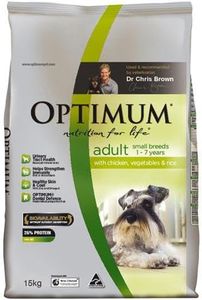
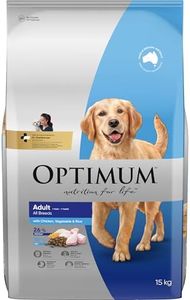
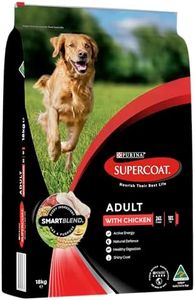
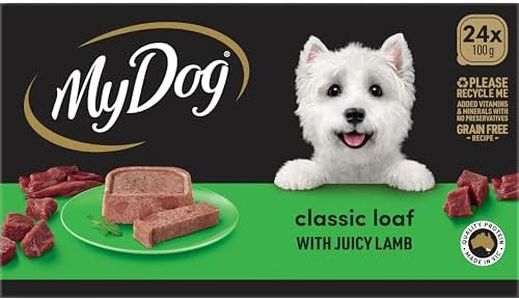
Related Products
Up to 35% off
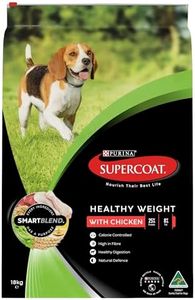

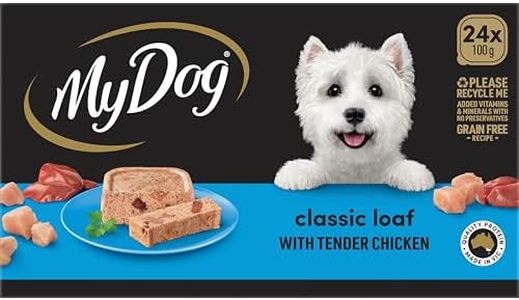
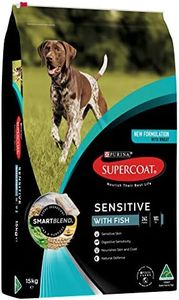
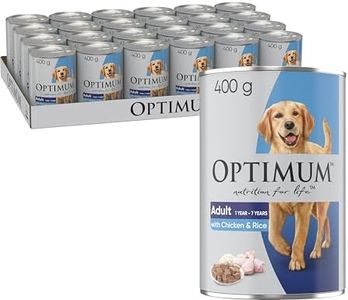
Buying Guide for the Best Cheap Dog Foods
Choosing the right dog food is an important decision because it directly impacts your dog's health, energy, and well-being. Even when shopping for affordable dog foods, you want to make sure your pet gets the nutrients it needs to thrive. It's vital to read and understand dog food labels, ingredients, and nutritional information before making a decision. Always match the food to your dog's age, breed size, activity level, and any special dietary needs, as well as personal preferences like wet vs. dry food.Ingredients ListThe ingredients list tells you what is actually inside the food, usually listed from highest to lowest amount. Look for foods with a quality protein source (like chicken, beef, or fish) among the first few ingredients, as this means your dog’s main source of nutrition comes from animal protein. Avoid foods where fillers like corn, soy, or by-products dominate the list. These ingredients can be less nutritious and harder for your dog to digest, although they do make food cheaper. If your dog has allergies or sensitivities, pay extra attention to this list and avoid ingredients that cause issues.
Guaranteed Analysis (Nutrient Content)This section on the label shows the percentage of key nutrients like protein, fat, fiber, and moisture. Generally, adult dogs do well with protein between 18-25%, with active or young dogs benefiting from the higher end. Fat levels should be moderate—around 8-15%—with higher levels for highly active dogs. Fiber helps with digestion, and a range of 3-5% is typical for most dogs. If your dog is overweight or has specific health needs, opt for formulations with lower fat and higher fiber.
AAFCO StatementThis is a declaration that a food meets the standards set by the Association of American Feed Control Officials (AAFCO) for complete and balanced nutrition. Foods with this statement are designed to provide all needed nutrients for a specific life stage (puppy, adult, senior). It’s important to ensure the food is labeled for your dog’s life stage—feeding a puppy food to a senior dog, or vice versa, can result in imbalanced nutrition.
Type of Dog Food (Dry, Wet, Semi-Moist)Dog food comes in several forms: dry kibble, wet/canned, and semi-moist. Dry kibble is usually the cheapest and has the advantage of being easy to store and helping with dental health. Wet food tends to be more appealing to picky eaters and provides more moisture, but it’s more expensive per meal and harder to store. Semi-moist foods are rarely recommended as main meals due to added sugars or salts, but can be handy as treats. Pick the type that matches your dog’s needs and what you find convenient and affordable.
Special Dietary NeedsSome dogs have allergies, sensitivities, or medical conditions that require special diets, like grain-free, limited ingredient, or formulas for sensitive stomachs. While these foods can cost more, some affordable dog foods offer basic versions for sensitive digestion or particular life stages. Always consult your vet if your dog shows food sensitivities, but as a general rule, avoid foods with unnecessary dyes or artificial additives.
Caloric DensityCaloric density tells you how many calories are in each cup or serving of food. Cheaper foods sometimes have more fillers, which can make them less calorie-dense, so your dog might need to eat more to get the same energy. This affects cost and digestion. Compare the calories per cup and consider how much your dog actually needs based on its size, age, and activity level.