We Use CookiesWe use cookies to enhance the security, performance,
functionality and for analytical and promotional activities. By continuing to browse this site you
are agreeing to our privacy policy
10 Best Cheap Surround Sound Systems
From leading brands and best sellers available on the web.By clicking on a link to a third party's website, log data is shared with that third party.
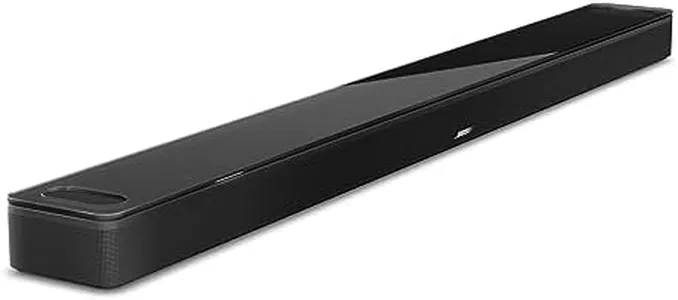
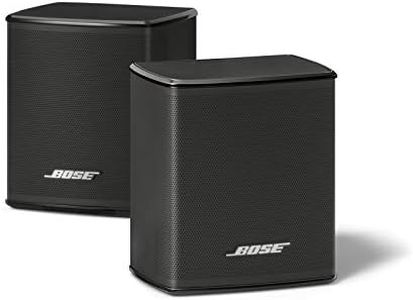
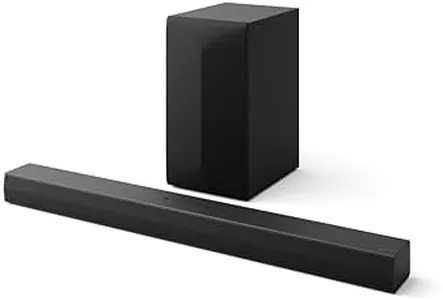
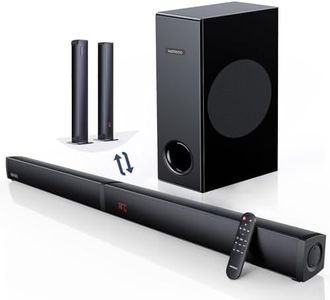
Related Products
Up to 23% off


Recommended lists

Buying Guide for the Best Cheap Surround Sound Systems
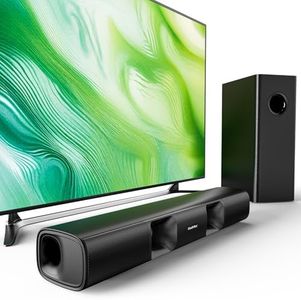
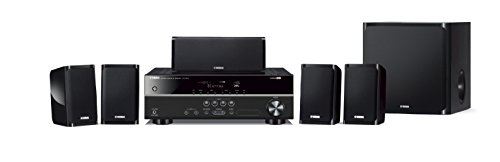
When you're looking for a surround sound system, even on a tight budget, it's important to focus on the features that matter most for your enjoyment. The aim is to get balanced audio quality and an immersive sound experience that fits your space and needs. Start by thinking about where you'll use the system, the types of content you'll listen to (movies, games, music), and the devices you'll connect it to. Prioritize specs that directly impact how the sound feels in your room, rather than getting distracted by flashy features you may never use. Understanding the key specifications and why they matter is the first step to finding a system that truly suits you.Number of Channels (Speakers)The number of channels tells you how many separate speakers (and the subwoofer) are included in the system. Common options are 2.1 (two speakers and a subwoofer), 5.1 (five speakers and a subwoofer), and sometimes even 7.1 or more in high-end setups. A higher number generally means a more immersive sound, as more speakers create a better sense of space and direction for the audio. For a small room or a basic setup, 2.1 might suffice; for a typical living room and real surround effects, 5.1 is a popular and reasonable choice. If your main aim is immersive movie watching or gaming, prioritize at least a 5.1 system. For background music or casual TV watching in a small space, a 2.1 could be enough.
Subwoofer Type and SizeThe subwoofer produces the bass or low-frequency sounds that add depth and rumble to music and movies. Subwoofers come in varying sizes, usually measured in inches (the diameter of the driver). Larger subwoofers tend to deliver deeper, more powerful bass. However, big subwoofers might be overwhelming in small rooms, while too-small ones can sound weak in larger spaces. If you love action movies or bass-heavy music and have space, choose a system with a larger subwoofer. If your room is small or you watch mostly talk shows or light content, a compact subwoofer should do the job.
Connectivity OptionsConnectivity refers to how your sound system connects to your TV, gaming console, computer, or other devices. Common connections include HDMI, optical audio, Bluetooth, RCA, and sometimes wireless options. HDMI and optical connections usually provide better sound quality and are more reliable. Bluetooth lets you play music directly from your phone or tablet, which adds versatility. Pick a system with the right connections for your current devices, and think about any you may get in the future. If you want to keep your setup simple, look for systems with wireless or Bluetooth options.
Wattage (Power Output)Wattage indicates how much power the system can produce. Higher wattage means higher potential loudness and headroom, but more is not always better. In small or medium-sized rooms, moderate wattage is usually plenty and prevents distortion or overwhelming volume. For large rooms or outdoor use, more wattage can help fill the space with sound. Consider your room size and how loud you like to listen: if you like it loud or have lots of space, go for higher wattage; otherwise, a modest power output is often more than enough.
Speaker Placement and SizeThe physical size and design of the speakers affect how easily you can place them in your room. Larger speakers often produce fuller sound but take up more space, while compact satellite speakers can be tucked into small spots but might not deliver the same depth. Think about where you can place the speakers: if you have limited shelf or wall space, smaller speakers are more convenient. If appearance and discreet setup are important, look for slim or wall-mountable speakers.
Audio Formats SupportedAudio formats like Dolby Digital or DTS are used in movies and games to provide surround effects. A system that supports these formats will give you a more immersive audio experience, as the sound will behave the way it's meant to. If you watch a lot of movies or play games, prioritize this feature for better realism. If you're mainly using the system for basic TV audio or music, this spec may be less important.