6 Best Chew Resistant Dog Beds
From leading brands and best sellers available on the web.By clicking on a link to a third party's website, log data is shared with that third party.

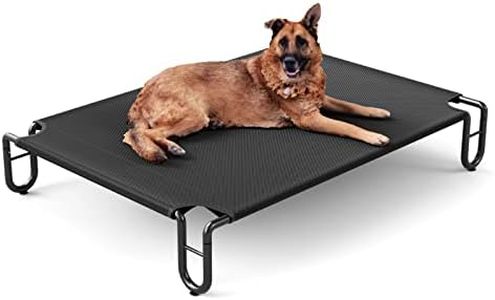
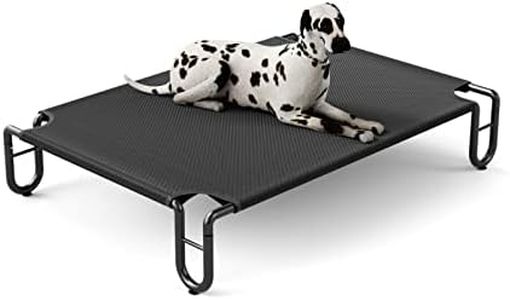

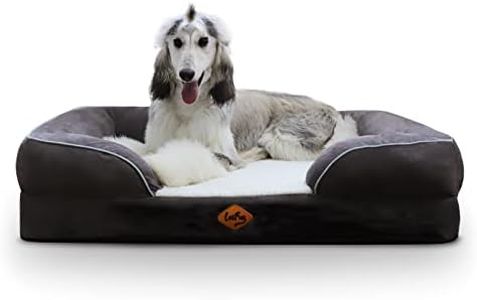
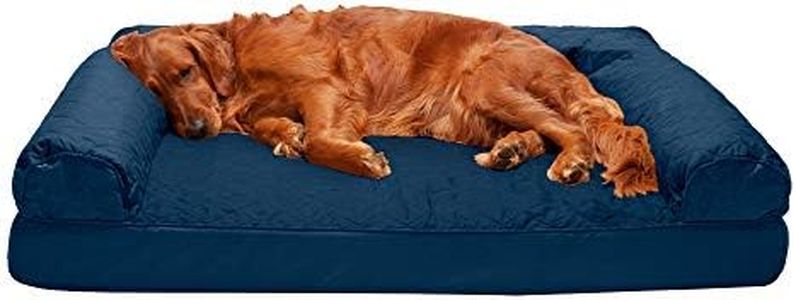
Buying Guide for the Best Chew Resistant Dog Beds
Choosing the right chew-resistant dog bed is important if you have a dog that likes to gnaw, dig, or destroy their bedding. A high-quality chew-resistant bed not only saves you money over time but also ensures your dog’s comfort and safety. When shopping, focus on materials, construction, and design that can stand up to persistent chewing, and always prioritize your pet’s specific size, behavior, and preferences. Understanding the key features will help you navigate your options and select a bed that matches your dog's needs.Material DurabilityMaterial durability refers to the type and toughness of the fabric or material used in the dog bed. It's important because it determines how well the bed can withstand biting, clawing, and other rough behavior. Materials like heavy-duty canvas, ballistic nylon, or tightly woven polyester are commonly used for chew-resistant beds. You'll often find these materials rated from regular (which may still resist light chewing), up to reinforced or heavy-duty (suitable for persistent chewers). To pick the right level, consider how aggressive your dog is with chewing—some only chew occasionally and need moderate durability, while power chewers need the toughest fabrics.
Reinforced Seams and StitchingReinforced seams and stitching are techniques used in construction to make the bed less prone to tearing at the edges, which are common target spots for chewers. Seams that are double-stitched or use special binding are stronger and less likely to come apart under stress. Beds with exposed or single-line stitching can be vulnerable, whereas hidden or double-stitched seams provide more resistance. If your dog focuses on seams, look for beds with extra reinforcement in these areas.
Chew-Resistant Zippers and ClosuresChew-resistant zippers and closures are designed to be tough for dogs to get their teeth into. Standard zippers or buttons can quickly become chew targets, but beds made with enclosed zippers or heavy-duty Velcro are harder for dogs to access. Some beds hide closures inside flaps or use specialized locking zippers. If your dog is clever and persistent, choose a bed with well-concealed, reinforced closures for added protection.
Water and Stain ResistanceWater and stain resistance refers to how well the bed repels spills, accidents, and dirt. This is important because a bed that’s easy to clean will last longer and be more hygienic, especially if your dog is prone to accidents or spends a lot of time outdoors. Fabrics can range from basic water-repellent treatments to fully waterproof liners. If your dog is messy or still being potty-trained, prioritize a higher level of resistance.
Bed Style and Cushion SupportThe style and cushion support of the bed is about its shape (like mats, bolsters, cots, or donut beds) and how much padding it provides. Some chew-resistant beds are simple mats, while others offer raised edges or thick fillings for comfort. Less padding is harder to destroy but might not be comfortable for older dogs or those with joint issues. Consider your dog’s sleeping habits: if they like to stretch or need extra support, pick a supportive style, but if they’re strong chewers, a slimmer, tougher mat might last longer.
Size and FitSize and fit refer to how well the bed matches your dog’s body size and sleeping habits. This is crucial because a bed that’s too small or too large can be uncomfortable and might encourage dogs to chew at the edges. Measure your dog from nose to tail when they're lying down, and choose a bed that gives a little extra room while still feeling snug and secure. The right size keeps your dog comfortable and less likely to get bored or destructive.