7 Best Chromebooks With Large Display
From leading brands and best sellers available on the web.By clicking on a link to a third party's website, log data is shared with that third party.
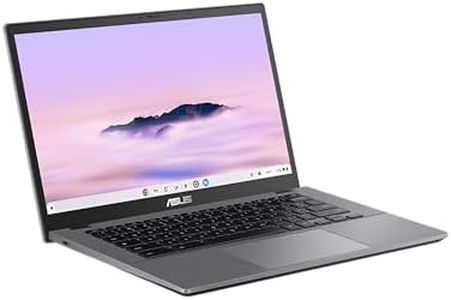

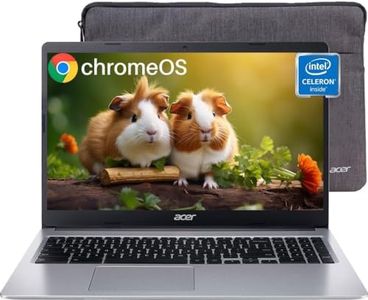
Buying Guide for the Best Chromebooks With Large Display
Choosing a Chromebook with a large display can offer many benefits, especially if you enjoy multitasking, streaming videos, or simply prefer more screen real estate. When searching for the perfect Chromebook, it's important to understand which features and specifications will best match your day-to-day needs. By focusing on a few key areas, you can easily narrow down your options and pick a device that will keep you happy and productive for years.Display SizeDisplay size refers to the diagonal measurement of the screen, usually in inches. For Chromebooks, 'large display' typically means anything 15 inches or bigger. If you value portability, a 14 to 15-inch screen is often a good compromise, while 16 inches or more is better if you want a desktop-like experience and don't move your laptop often. Choose based on whether you want your Chromebook to be portable or if it will stay mostly in one place.
Screen ResolutionScreen resolution tells you how many pixels your display contains, affecting sharpness and clarity. Common resolutions include HD (1366x768), Full HD (1920x1080), and sometimes even higher. For a large display, Full HD or better is recommended because it makes images and text much sharper—HD may look pixelated on a big screen. If you read and watch videos often, or do side-by-side multitasking, a higher resolution will provide a more comfortable and pleasing experience.
Panel TypeThe panel type describes the underlying screen technology. The main options are TN, VA, and IPS. IPS panels offer wider viewing angles and more accurate colors, making them ideal for media, creative tasks, or simply sharing your screen with others. TN panels are less expensive but have poorer color reproduction and limited viewing angles. If you care about image quality, especially on large screens, go for an IPS display.
Touchscreen CapabilitySome Chromebooks include touchscreens, allowing you to tap, swipe, or use a stylus. This feature is helpful for drawing, navigating more intuitively, or using certain Android apps. If you like tablets or plan on using your device in a more interactive way, consider a touchscreen. Otherwise, a non-touch display might be more affordable and give you slightly better battery life.
BrightnessBrightness is measured in nits and affects how well you can see the screen in bright areas, like near windows or outdoors. Screens under 250 nits might look dim in strong lighting, while 300 nits and above are much easier to see anywhere. If you plan to use your Chromebook in different lighting conditions, especially outside, look for a brighter screen.
Weight and PortabilityLarger Chromebooks usually weigh more, which can impact comfort if you plan to carry it around. If you're mostly working from one spot, weight may not be as important. But if you want both a big screen and some mobility, look for models that manage to keep the weight reasonable without sacrificing screen size.