10 Best Chromecast Devices
From leading brands and best sellers available on the web.By clicking on a link to a third party's website, log data is shared with that third party.
Related Products



Buying Guide for the Best Chromecast Devices
Choosing the right Chromecast device is about matching the capabilities of each model to your home entertainment needs. Think about what you want to stream, the equipment you already own, and any features that matter for your household, such as voice control, content quality, or extra functionalities. Taking a structured look at the main features will help you make a choice that feels just right and future-proof.Streaming ResolutionStreaming resolution refers to the maximum video quality a Chromecast device can display, such as HD (1080p) or 4K Ultra HD. This is important because a higher resolution device can display sharper, clearer images—especially noticeable on larger TVs or those designed for high definition. Generally, if you have a 4K television, you'll want a device that supports 4K streaming. If your TV is older or only supports up to 1080p, a basic HD Chromecast is sufficient, and buying higher resolution for such a setup won’t provide a visual benefit. Always match the device’s maximum resolution to your TV’s capabilities and your streaming service’s quality options.
Operating System and App SupportThis refers to what software the Chromecast runs and which streaming services or apps are compatible. Some modern Chromecast devices run a system that allows you to install apps and use a remote, while simpler ones rely on casting from your phone or computer. If you want a more traditional streaming experience with a remote and on-screen menus, choose a device with a built-in operating system and app store. If you prefer to control everything from your smartphone, a simpler, cast-only option is fine. Your preference for browsing on TV versus from your mobile device should guide this choice.
Wi-Fi CompatibilityWi-Fi compatibility tells you what types of Wi-Fi networks a Chromecast can connect with, like 2.4GHz, 5GHz, or Wi-Fi 6. This matters because newer Wi-Fi standards offer faster, more reliable connections. If your home has a crowded Wi-Fi environment or you stream high-quality video (like 4K), pick a device that supports dual-band or the newest Wi-Fi standards for smoother playback. If your connection is simple and speeds are consistent, most Chromecast devices will work well.
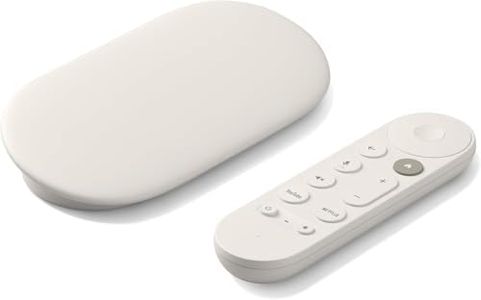
Remote Control and Voice FeaturesSome Chromecast devices come with dedicated remotes and built-in voice assistants, while others are controlled entirely from your smartphone or by voice via a separate smart speaker. If you appreciate using a traditional remote, look for a Chromecast that includes one. If you want to use voice commands to search for shows, adjust the volume, or control other smart devices, prioritize a device with integrated voice assistant features. People who are comfortable with mobile control or already have smart speakers may not need these features in the Chromecast itself.
Audio and Video Format SupportThis specification details which audio (like Dolby Atmos) and video (such as HDR or Dolby Vision) formats the Chromecast can handle. These formats offer richer and more immersive experiences if your TV and audio equipment also support them. For audiophiles or those wanting a true cinema experience with surround sound and vibrant visuals, choose a Chromecast that supports advanced formats. If your equipment is basic, these advanced features probably won’t be noticeable or useful, so you can opt for simpler compatibility.
Power and SetupThe power and setup options can affect convenience based on your TV setup. Some Chromecast devices need an external power adapter, while others can draw power from your TV’s USB port. Simpler setups with fewer wires are ideal for wall-mounted TVs or minimalist setups. Think about where your TV ports are and whether you prefer fewer cables, then choose a Chromecast that matches those needs.