10 Best Clear Wood Water Sealers
From leading brands and best sellers available on the web.By clicking on a link to a third party's website, log data is shared with that third party.
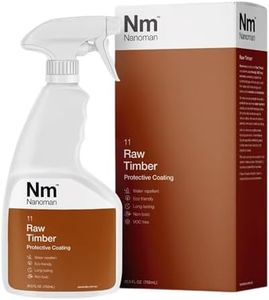
Related Products
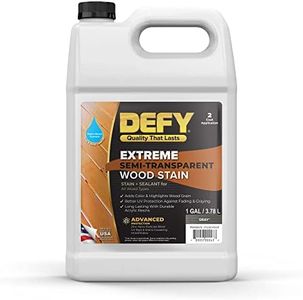
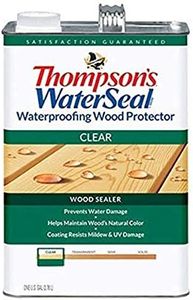
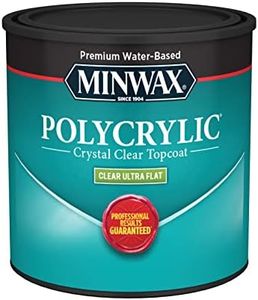
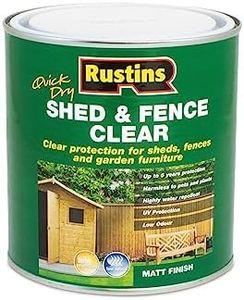
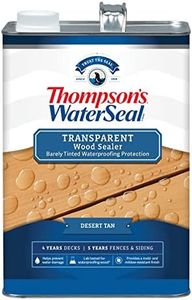
Buying Guide for the Best Clear Wood Water Sealers
Choosing the right clear wood water sealer is crucial for keeping your wood surfaces protected from moisture, weather, and the aging effects of the sun. Whether you’re treating a deck, fence, outdoor furniture, or wooden siding, a good sealer can preserve the look and strength of wood for years to come. When shopping for one, focus on how and where you plan to use the sealer, the level of protection you need, and how often you’re willing to reapply it.Type of SealerThis refers to the kind of formulation the water sealer uses. The primary types are oil-based, water-based, and silicon-based. Oil-based sealers tend to penetrate deeper into the wood, provide richer color enhancement, and last a bit longer but may take more time to dry and can have stronger odors. Water-based sealers dry faster, are easier to clean up, and are more environmentally friendly but might not penetrate as deeply. Silicon-based sealers focus on forming a barrier against water and are often clear with minimal effect on the wood's color. To choose the right one, think about where your wood is and your tolerance for drying times or maintenance—outdoor surfaces that take heavy wear might benefit from oil-based options, while quick refresh jobs or sensitive environments suit water-based types.
UV ProtectionUV protection determines if the sealer shields wood from the sun’s damaging rays, which can cause fading, cracking, or greying over time. Some sealers add UV-blocking ingredients that help maintain the wood’s natural color for longer. If you have wood in direct sunlight much of the day, a product with high UV protection is best. For shaded or indoor wood, this feature may be less critical. Always check the product details to match your needs.
Water Repellency LevelThis spec tells how well a sealer can block water. Higher repellency means better protection against water damage, swelling, mold, or rot. Sealers usually range from standard repellency (sufficient for light exposure sites like covered porches) to high-performance repellency (necessary for decks, docks, or areas exposed to heavy rain). Assess your wood’s exposure and pick a level of protection that matches the climate and use.
Durability and LongevityDurability is how long the sealer keeps working before needing reapplication—generally, it can last anywhere from 1 to 5 years, depending on the formula, exposure, and wood type. Longer-lasting sealers require less frequent application, saving time, though sometimes shorter-lived products are easier to refresh. For high-traffic or hard-to-reach surfaces, long-lasting durability is worth prioritizing.
Finish and AppearanceFinish means the visual result after applying the sealer. Clear sealers usually keep the wood looking natural, with minimal change to color or sheen, but some may provide a slight glossy or matte effect. If maintaining the original color is important, look for true-clear or non-yellowing formulas. Decide whether you want the wood to look completely natural or if you’re okay with a subtle enhancement.
Application MethodThis spec refers to how the sealer is applied: some work best with brush, roller, or sprayer. Some are easier to apply and allow for quick touch-ups, while others need careful application to avoid streaking or pooling. Thinner formulas usually work well with sprayers or rollers, while thicker ones may need a brush. Consider your project size, equipment, and skill level when picking a sealer.
Drying TimeDrying time indicates how long it takes for the sealer to cure enough to withstand moisture or use. Fast-drying options are useful if you want to use the surface quickly or if changing weather is a concern, while slower-drying types may offer deeper penetration. Match the drying time to your schedule and climate.