10 Best Closet Deodorizers
From leading brands and best sellers available on the web.By clicking on a link to a third party's website, log data is shared with that third party.
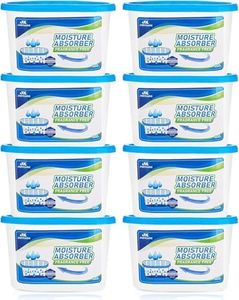
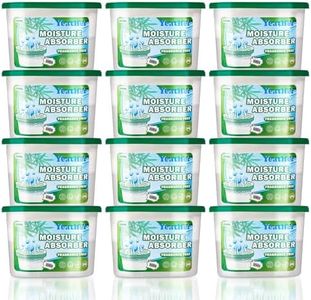
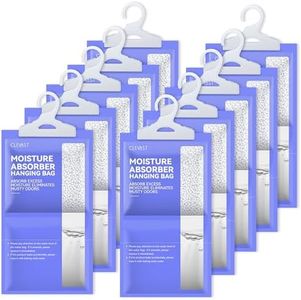
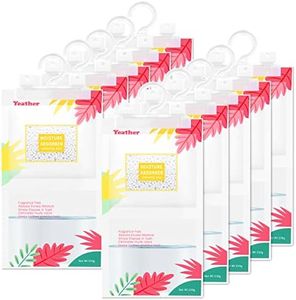

Related Products


Buying Guide for the Best Closet Deodorizers
Choosing the right closet deodorizer can make a big difference in keeping your clothes and storage spaces smelling fresh, preventing musty odors, and even protecting against mold or moths. The best deodorizer for you will depend on the size of your closet, your sensitivity to scents, and whether you want something natural or more powerful. When picking a closet deodorizer, it's helpful to understand the main features and how each one can affect your experience.Type (Solid, Gel, Spray, Hanging Sachet, Activated Charcoal, Plug-In Electronic)The type of deodorizer refers to its form and method of releasing fragrance or absorbing odors. Solids, gels, and sachets often release scents slowly, while sprays freshen instantly. Activated charcoal and other absorbing agents work by trapping odors rather than masking them. Plug-in electronic versions use fans or heat to circulate air and may last longer. Your needs will dictate the best type: use solids or sachets for small spaces, activated charcoal for sensitive noses, and sprays for quick results.
Scent/Fragrance TypeThis is the smell that the deodorizer emits, which can range from floral and fruity to unscented or purely odor-neutralizing. Scented deodorizers can keep your closet smelling pleasant, but can be overpowering in a confined space. Some people may have allergies or sensitivities, so fragrance-free or natural scents are better in those cases. Pick a scent that you personally enjoy but that is also subtle, particularly if the closet is small or you are storing delicate fabrics.
Odor Neutralizing vs. Scent MaskingSome deodorizers work by covering up bad smells with a fragrance (masking), while others use ingredients that chemically absorb or break down unwanted odors (neutralizing). Neutralizing is generally more effective for strong or persistent odors, while masking is fine for mildly stale air. If you have a recurring odor problem, choose a deodorizer that is specifically labeled as 'odor neutralizing' rather than just scented.
Ingredients (Natural vs. Chemical)The makeup of the deodorizer can be important for safety and health. Natural options, like those made from bamboo charcoal, baking soda, or essential oils, are usually non-toxic and safe for homes with pets or children. Chemical-based products might be more potent but could irritate sensitive individuals. If safety is a concern, read ingredient lists and stick to naturally derived formulas.
Longevity/DurationThis indicates how long the deodorizer will be effective before it needs replacing. Some last only a few weeks while others can be recharged (like charcoal bags) or last for months. If you don’t want to maintain it often, look for longer-lasting options. For temporary needs, a short-term deodorizer may be enough.
Coverage AreaCoverage area tells you how much closet space one deodorizer can handle. Small packets or gels may work well in compact closets or drawers, while larger or higher-capacity products are needed for walk-in closets or entire wardrobe systems. Always consider the size of your closet and choose a deodorizer that matches the listed coverage or use multiple units if necessary.