10 Best Coffee Roaster Machines
From leading brands and best sellers available on the web.By clicking on a link to a third party's website, log data is shared with that third party.
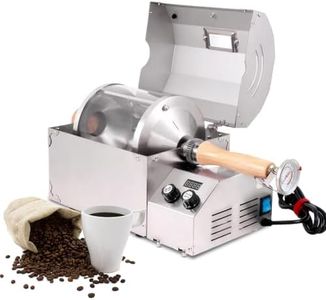
Related Products
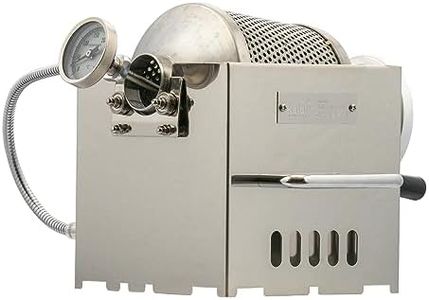
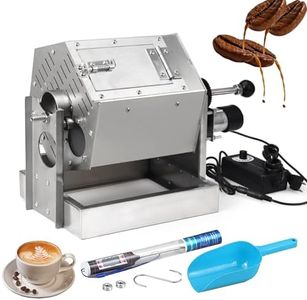
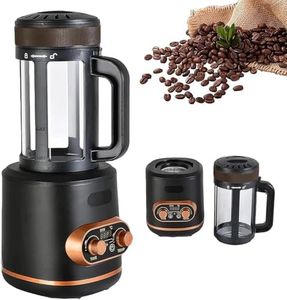
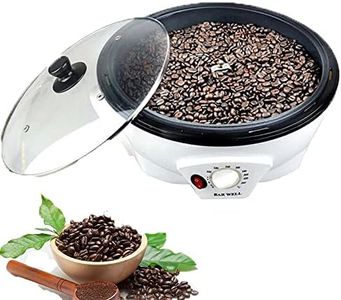
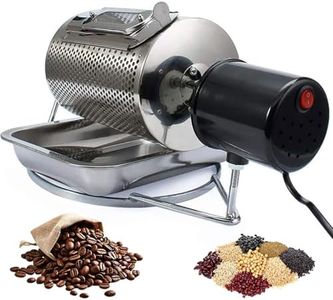
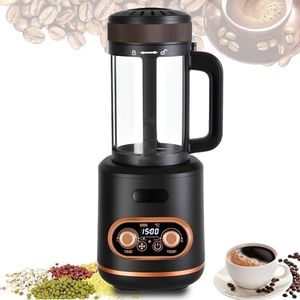
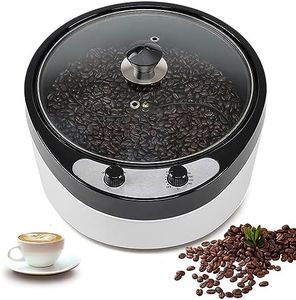
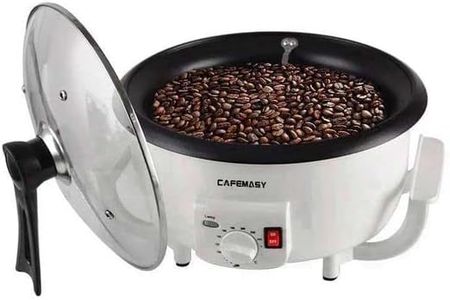
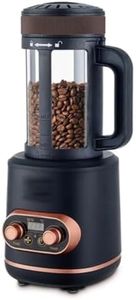

Buying Guide for the Best Coffee Roaster Machines
Choosing a coffee roaster machine is an exciting step if you want to create fresh, customized coffee right at home or for a small business. The best roaster for you will depend on how much coffee you want to roast, how involved you want to be in the roasting process, and your desired flavor control. Understanding key features will help you find a machine that matches your needs and passion for coffee.Batch CapacityBatch capacity refers to how much raw (green) coffee beans the machine can roast at one time, usually measured in grams or pounds. This is important because it determines how much coffee you can prepare per roasting session. Small capacity machines (between 50 to 200 grams) are best for personal or experimental use, letting you try different beans and roast levels with minimal waste. Medium capacities (up to 500 grams) suit those who drink a lot of coffee or share with friends and family. Higher capacities (over 1kg) are for small businesses or people roasting for a crowd. To choose the right capacity, think about how much coffee you drink per week and whether you enjoy experimenting or prefer roasting in bulk to save time.
Roast Control and SettingsRoast control describes how much you can adjust the temperature, time, and air flow during roasting. This is key for creating your preferred roast style (light, medium, dark) and bringing out specific flavors. Some roasters are fully automatic, handling time and temperature for you—great for beginners or those wanting ease. Others allow manual adjustments in stages, better for experienced users who want to fine-tune every roast. When deciding, consider whether you want a simple, hands-off experience, or enjoy tweaking settings to develop your palate and craft unique roasts.
Heat SourceThe heat source is how the roaster brings the raw beans up to roasting temperature. Most machines use either air (fluid bed/hot air) or a heated drum (drum roaster). Air roasters are quicker, tend to roast more evenly, and are easier to clean, making them suitable for new users and those who value speed and simplicity. Drum roasters offer deeper, slower roasting with more flavor development and are favored by traditionalists or coffee enthusiasts who seek greater control. Consider your preference for ease, roast style, and how involved you want to be when choosing between air and drum roasting.
Smoke ManagementRoasting coffee produces smoke and chaff (the outer skin of the bean), and how a machine deals with this is important, especially if you roast indoors. Some machines have built-in smoke filters or exhaust systems, keeping your space comfortable. Others must be placed near a window or used outdoors. If you live in a small apartment or prefer hassle-free cleaning, look for good smoke management features. Those roasting in well-ventilated areas may not need as much built-in smoke control.
Ease of Use and CleaningSome coffee roasters are simple to operate and easy to clean, with detachable parts and clear instructions, while others require more time and effort. This can make a big difference in your roasting experience. People new to roasting or those who value convenience should focus on roasters designed for straightforward use and easy maintenance. If you enjoy hands-on processes and don't mind extra cleanup for more control, a more advanced or manual roaster might suit you.
Size and FootprintThe physical size and design of a roaster will decide how much counter or storage space you need. Compact models fit well in small kitchens or for occasional use, while larger machines may be better placed in a dedicated space. Consider your available space and how often you plan to set up and store the roaster before choosing.