10 Best Coffee Storage Canisters
From leading brands and best sellers available on the web.By clicking on a link to a third party's website, log data is shared with that third party.

Related Products
Up to 51% off
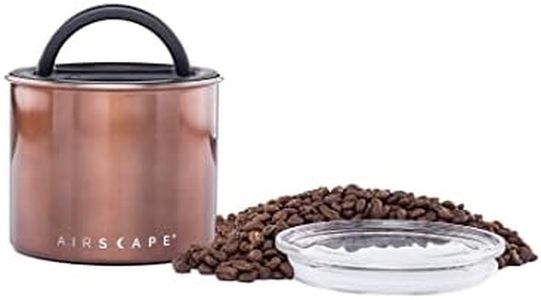
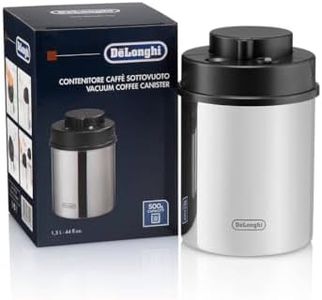
Recommended lists

Top rated
Coffee Canisters
Buying Guide for the Best Coffee Storage Canisters
Choosing the right coffee storage canister is important if you want to keep your coffee beans or grounds fresh and flavorful for as long as possible. The main purpose of a coffee canister is to protect coffee from its main enemies: air, light, moisture, and sometimes odors. When shopping for a canister, consider your typical coffee storage habits, how much coffee you usually have at one time, and how much space you have available. Taking time to understand the different features can help prevent stale coffee and make your coffee routine more enjoyable.MaterialThe material a coffee canister is made from affects how well it protects your coffee from light, air, and moisture, as well as how easy it is to clean. Common materials are stainless steel, glass, ceramic, and plastic. Stainless steel and ceramic are great for blocking out light and are durable, but you can't see the amount of coffee left inside. Glass lets you see inside but may let in light unless it's tinted and may be breakable. Plastic is lightweight and affordable but may not seal as tightly or could absorb odors. Choose the material that best fits your kitchen environment and handling preferences.
Seal/AirtightnessAirtightness refers to how well the canister can prevent air from getting in and out. Air causes coffee to lose its aroma and flavor quickly. Canisters differ in the type of seals they use, such as silicone gaskets, clamps, or screw-on lids. High-quality silicone gaskets and clamp-down mechanisms usually offer better airtight protection. If you live in a humid place or want to keep your coffee fresh for a long time, choose a canister well known for its airtight seal. If you go through coffee quickly, you can be a bit less strict on this feature.
CapacityCapacity means how much coffee (beans or grounds) the canister can hold, usually measured in ounces, grams, or liters. Small canisters are best for those who buy coffee in small batches or want it to stay fresh by refilling often. Medium sizes suit most household daily coffee drinkers. Larger canisters are good for families or offices that go through a lot of coffee quickly. Match the canister size to the amount of coffee you usually keep on hand so that the coffee inside gets used up before it loses freshness.
Light ProtectionLight can fade and spoil coffee, especially if you keep your canister on a countertop. Some canisters are opaque or have special coatings to block light, while others are clear or translucent. If your canister will be kept in a cupboard or pantry, light protection is less important. If you prefer displaying your canister in the open, choose one that blocks or limits light exposure to help maintain your coffee’s freshness.
Valve or CO2 Release FeatureFreshly roasted coffee releases carbon dioxide, which can build up and affect taste. Some coffee canisters include a special one-way valve that lets this gas escape without letting air in. This feature is most useful for storing freshly roasted beans or for coffee enthusiasts who buy from local roasters. If you’re using older beans, pre-ground coffee, or don’t prioritize maximum flavor, this feature may not be necessary.
Ease of CleaningSince coffee oils or grounds can build up over time, it’s important that the canister is easy to clean. Some materials, like glass or stainless steel, are dishwasher safe and don’t absorb odors. Others may require hand washing or may stain. If you switch between storing flavored and unflavored coffees, or want low-maintenance cleaning, make sure to pick a canister that’s simple to wash and doesn’t trap odors.