8 Best Commercial Pop Up Canopies
From leading brands and best sellers available on the web.By clicking on a link to a third party's website, log data is shared with that third party.
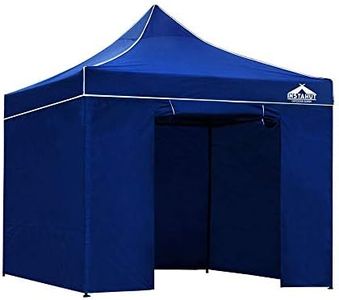
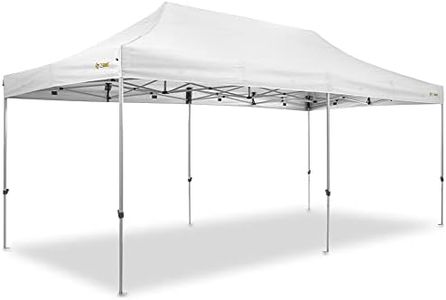

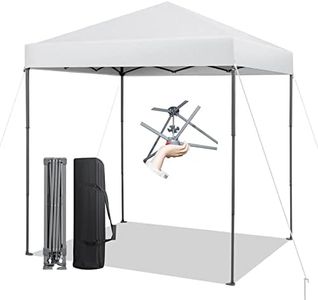
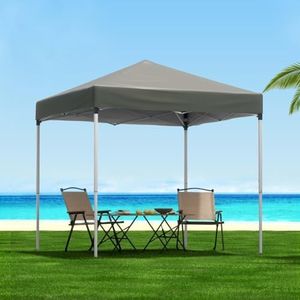

Buying Guide for the Best Commercial Pop Up Canopies
Shopping for a commercial pop-up canopy is all about understanding your situation and making sure the canopy fits your needs. Whether you’re planning for outdoor events, market stalls, or company gatherings, your choice should be based on how you’ll use the canopy, where you’ll set it up, and how often you’ll need to move or reassemble it. Think about the size of the area you need to cover, how long you want it to last, and the type of weather you’ll face most often. The right pop-up canopy is about balancing convenience, durability, and the specific features you need.Size/DimensionsThis spec refers to the length and width of the canopy area, usually in feet or meters. Size matters because it determines how much sheltered space you’ll have. For example, a compact 8x8 ft canopy is suitable for single vendor booths or small gatherings, while larger options like 10x20 ft are better for bigger groups or larger displays. It’s important to consider both the space you need to cover and the space available at your location. When choosing the right size, think about the number of people or items you need to shelter and available set-up space.
Frame MaterialThe frame is what holds up your canopy and keeps it stable. The two most common materials are steel and aluminum. Steel frames are heavier and more durable, making them great for situations where the canopy will be up for a long time or in windy conditions. Aluminum frames are lighter and rust-resistant, which is excellent for frequent transport and easier setup. Consider how often you’ll move the canopy and whether you’ll face harsh weather or need long-term stability to pick the frame that fits your use.
Canopy FabricThis describes what the top cover is made from, often polyester or vinyl. The thickness (denier) and any coatings (like waterproofing or UV protection) affect how well the canopy will stand up to sun and rain. Higher denier fabrics are thicker and tougher but can be heavier. Waterproof or water-resistant coatings keep your space dry during rain, and UV coatings protect against sun damage. If your events are outdoors and unpredictable, go for thicker materials and extra coatings. For mostly indoor or light outdoor use, lighter fabrics may suffice.
Portability & Set-Up MechanismPortability refers to how easy the canopy is to transport, while the set-up mechanism is about how quickly and easily it can be assembled and taken down. Pop-up canopies often have folding scissor frames for quick setup, but some designs are simpler than others. Some offer wheeled carrying bags for easier movement. If you'll be assembling and relocating the canopy often, prioritize lightweight, easily collapsible models with user-friendly set-up features.
Stability & Anchoring OptionsStability is achieved through both the construction of the canopy and the anchoring accessories that come with it, like stakes, weighted bags, or ropes. These features are crucial if you expect wind or uneven ground. Heavier, reinforced frames and strong anchoring systems keep the canopy from tipping or blowing away. If you’ll be at windy sites or using the canopy for long durations, prioritize robust anchoring systems and heavier construction for peace of mind.
Weather ResistanceWeather resistance describes how well the canopy shields from elements like UV rays, rain, and wind. Canopies offer varying levels of water resistance, UV-blocking capabilities, and wind tolerance. Some are rated for higher wind speeds or heavy rain. Evaluate the weather you most frequently face—go for maximum resistance if you expect tough conditions, but for occasional, fair-weather use, moderate resistance can suffice.
Customization OptionsFor business or branding use, some canopies allow for custom colors, signs, or printed logos. This is important if you want to stand out at events or markets. Check if the canopy offers panels you can print or attach signs to, and if adding custom graphics is straightforward. Choose this feature if visibility, branding, or aesthetics matter for your use case.