10 Best Compression Socks For Airplane Travel
From leading brands and best sellers available on the web.By clicking on a link to a third party's website, log data is shared with that third party.
Related Products
Up to 5% off
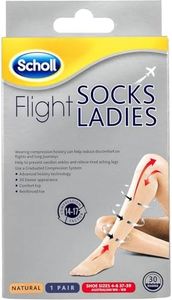
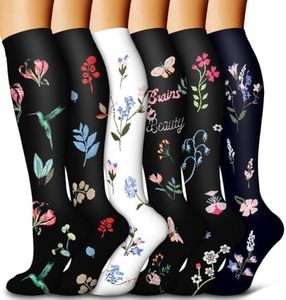
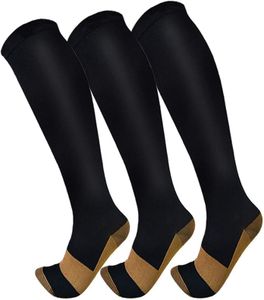
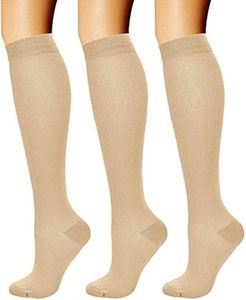
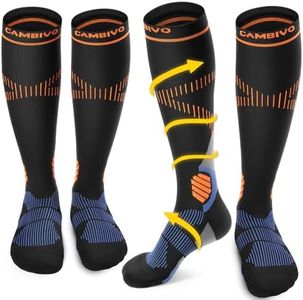
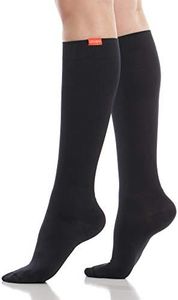
Buying Guide for the Best Compression Socks For Airplane Travel
Compression socks can make a big difference in comfort and health during long airplane trips by supporting healthy blood flow in your legs. Selecting the right pair depends largely on your needs—whether you want to reduce swelling, prevent deep vein thrombosis (DVT), or just want your legs to feel less tired after flying. It's important to understand the key specifications that define compression socks so you can pick a pair that's effective, comfortable, and suitable for your travel habits.Compression Level (mmHg)Compression socks are rated by the amount of pressure they provide, measured in millimeters of mercury (mmHg). This pressure helps blood flow back to your heart and prevents it from pooling in your lower legs. Compression levels are usually segmented as mild (8–15 mmHg), moderate (15–20 mmHg), firm (20–30 mmHg), and extra-firm (30–40 mmHg or more). Mild compression is good for comfort and light swelling prevention, moderate is typical for frequent travelers, and firm or extra-firm is usually reserved for medical needs or serious conditions. To select the right level, consider your reasons for use: for general travel and minor swelling, mild or moderate is usually enough, but if you have health concerns, consult a doctor before choosing higher compression.
Sock HeightSock height determines what part of your leg gets supported. Compression socks come in various heights: ankle, crew, calf (knee-high), and sometimes thigh-high. For airplane travel, calf or knee-high socks are most popular as they provide support to the entire lower leg, where swelling and circulation issues often occur. Ankle socks offer less coverage and are best for people who don't experience much swelling, while higher socks are for those needing more comprehensive support. Think about which part of your leg is prone to discomfort or swelling to choose the right height for you.
Material and BreathabilityThe material of compression socks determines both comfort and durability. Common materials include nylon, spandex, cotton, or blends of these. Breathability refers to how well the socks manage moisture and temperature, which is crucial during long flights to prevent sweating and irritation. Thinner, moisture-wicking materials are best for long trips and warm climates, while thicker materials can be good if you tend to get cold. Try to choose a sock that balances stretchiness with comfort and is suited for the environment you usually travel in.
Fit and SizingProper fit is essential for compression socks to be effective without being uncomfortably tight or loose. Sizing is generally based on shoe size, calf circumference, and sometimes ankle circumference. Socks that are too tight can cause discomfort, while those too loose won’t provide the needed support. Most brands offer sizing charts—measure your leg and check these before purchasing. Choose a pair that matches your measurements to ensure effective and comfortable compression.
Ease of Putting OnCompression socks can be trickier to put on than regular socks, especially at higher compression levels. Some socks are designed with stretchier fabrics or special construction to make this easier. If you have limited mobility, dexterity issues, or just want less hassle at the airport, look for socks that advertise easy-on or feature a slightly lower compression. Consider your ability and comfort when choosing, as socks that are hard to put on can be discouraging to use regularly.