10 Best Concrete Paints
From leading brands and best sellers available on the web.By clicking on a link to a third party's website, log data is shared with that third party.
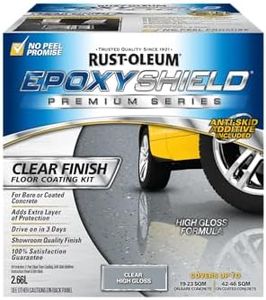
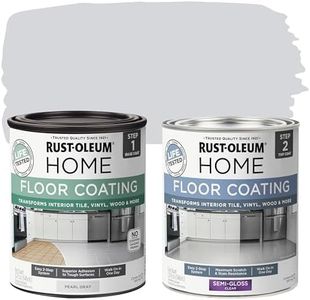
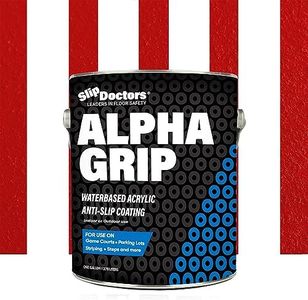
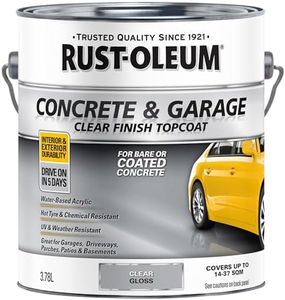
Related Products
Up to 10% off
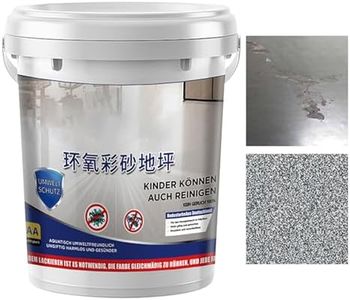
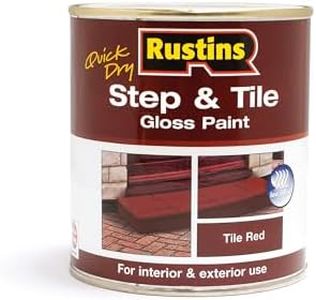
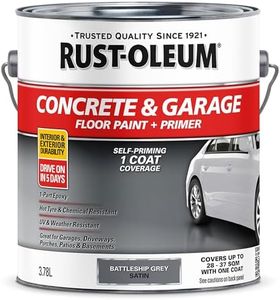
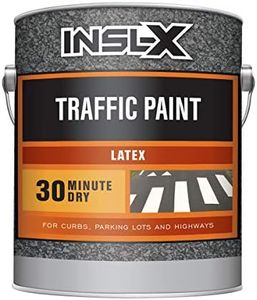
Buying Guide for the Best Concrete Paints
Choosing the right concrete paint can greatly enhance both the look and durability of your concrete surfaces, whether indoors or outdoors. Paints for concrete are designed to withstand the unique challenges these surfaces face, such as foot traffic, moisture, temperature swings, and sometimes vehicles. To find the best fit for your needs, you need to consider a few important specifications about the paint itself and how those align with where and how you plan to use it.Type of PaintThe type of concrete paint refers to the base or primary component of the paint, such as acrylic, epoxy, or latex. This is important because each type offers different strengths. Acrylic paints are often favored for ease of use and quick drying; they're good for low-traffic areas or decorative work. Epoxy paints are much tougher and better suited for garages or areas exposed to heavy wear and chemicals, but they are a bit more challenging to apply. To choose the right type, think about how much use (or abuse) your concrete surface will see. For everyday patios or basements, acrylic or latex usually suffices; for workshops, driveways, or garages, epoxy is a stronger option.
DurabilityDurability measures how well the paint stands up to physical wear, weather, moisture, and chemicals. Highly durable paints are often labeled as suitable for 'high-traffic' or 'industrial' use, while moderately durable paints can serve lighter needs. When comparing, consider where the concrete is located: outdoor spaces, garages, and workshops often need the highest durability, as they deal with the most stress, while indoor basement floors or decorative areas can manage with less. Your specific needs—like kids, pets, vehicle use, or exposure to rain—are key in deciding how durable your paint should be.
Finish (Sheen)Finish describes how shiny or matte the paint looks once it dries and affects both appearance and slip resistance. Common finishes include matte/flat, satin, and gloss. Matte finishes hide imperfections well and can be less slippery, making them a good choice for walkways or patios. Gloss finishes are shiny and easy to clean but may show scratches and be a bit slick when wet. Satin finishes offer a middle ground. Consider where the paint will be used: outdoor steps and pool decks might do better with matte for safety, while a showroom floor could benefit from a glossy look.
Coverage & ThicknessCoverage tells you how much surface area a certain quantity of paint can cover, and thickness can affect both look and protection. More concentrated or thicker paints may require fewer coats and provide better protection, but may also be more expensive or harder to apply. Check the product label for coverage estimates and compare that to the area you need to paint. For rough, porous, or previously unpainted concrete, expect to need more paint. For smoother, sealed surfaces, you may get away with less. Picking the right coverage and thickness ensures you get lasting results without surprise shortages.
Weather and Chemical ResistanceThis specification describes the paint’s ability to withstand rain, sun, freeze-thaw cycles, and exposure to chemicals like salt or cleaning agents. Some paints are formulated specifically for outdoor use or garages and list their resistance to weather and harsh substances. If your concrete surface is outside, exposed to frequent water or chemicals (like a driveway in winter), prioritize paints with high resistance in these areas. Indoor areas away from weather or chemicals can manage with standard formulations.
Ease of ApplicationSome concrete paints are easier to apply than others. Water-based paints like acrylic or latex are generally beginner-friendly, cleaning up with water and drying fairly quickly. Epoxy systems might involve mixing two parts and have limited working time before they begin to set. If you’re new to painting concrete or working in a DIY capacity, picking a simpler, single-step paint can reduce stress and errors. For more permanent or heavy-duty jobs, even if they’re more work, two-part or specialty paints could be worth the extra effort.