10 Best Concrete Sealers
From leading brands and best sellers available on the web.By clicking on a link to a third party's website, log data is shared with that third party.

Related Products
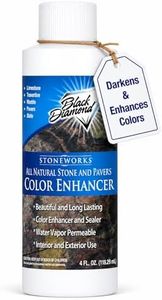
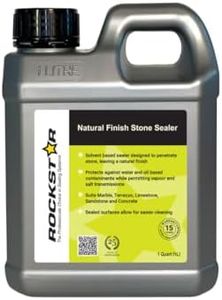


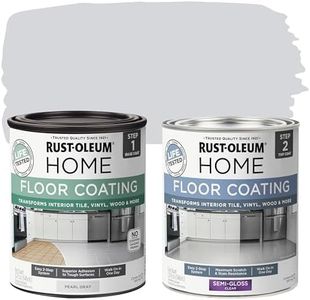
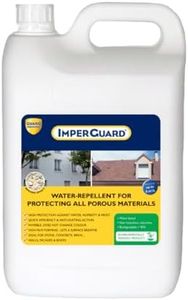

Buying Guide for the Best Concrete Sealers
Choosing the right concrete sealer means protecting your surfaces from moisture, stains, and wear, while enhancing their appearance and durability. The best sealer for you depends on where and how you'll use it—like on driveways, patios, garage floors, or indoor surfaces. Understand your specific needs first, then match those needs with the most suitable type of sealer and the key characteristics it offers.Type of SealerThe type of concrete sealer determines how it works and the level of protection it provides. The main types are penetrating sealers, acrylics, polyurethanes, and epoxies. Penetrating sealers soak into the concrete, making them ideal for outdoor use where long-lasting protection from water and deicing salts is crucial. Acrylic sealers form a thin film and dry quickly, making them good for enhancing color and giving a shiny finish, but they wear out faster. Polyurethane and epoxy sealers offer high durability and are great for indoor surfaces like garage floors where there is a lot of traffic. To choose the best for you, think about whether you need weather protection, a glossy finish, or resistance to heavy use.
Finish (Gloss Level)The finish, or gloss level, refers to how shiny or matte the sealed surface becomes. High-gloss finishes reflect more light and can make colors pop, which is attractive for decorative surfaces but may be slippery when wet. Matte or low-gloss finishes look more natural and are often chosen for outdoor or heavily used surfaces. If you want your concrete to stand out, a gloss or semi-gloss finish might be right. If you prioritize slip resistance or a subtle look, pick matte.
Slip ResistanceSlip resistance describes how much traction the sealed surface provides when wet or dry, which is vital for areas exposed to water or heavy use. Some sealers can make surfaces slick, especially gloss types. Additives or special formulas can increase slip resistance. If your sealer is for a pool deck, walkway, or anywhere slipping is a concern, choose a product noted for slip resistance or plan to mix in a non-slip additive.
VOC Content (Indoor Air Quality)VOC, or Volatile Organic Compounds, are chemicals released by some sealers that can affect air quality. High VOCs are more common in traditional solvent-based sealers and may give off strong odors, which can be a problem indoors or in poorly ventilated areas. Water-based sealers generally have much lower VOC levels and are safer for use inside. If you're sensitive to smells or working indoors, look for low-VOC or water-based options.
Durability and Reapplication FrequencyDurability refers to how long the sealer will last before you need to reapply it. Penetrating sealers and epoxies may protect for many years, while acrylics need more frequent reapplication. The right choice depends on how much maintenance you are willing to do and how much wear the concrete will see. For high-traffic or exposed outdoor areas, a longer-lasting sealer is wise; for decorative, low-traffic spots, shorter-term protection may be acceptable.
Application MethodHow the sealer is applied can vary—some can be rolled or brushed on, while others are sprayed. Simpler application methods are best for DIYers, especially in smaller areas. Sprayers cover large surfaces quickly but require more setup and skill. Consider your comfort level and the size of your project when picking a sealer; choose one with an application process you find manageable.