10 Best Coolers That Keep Ice For Days
From leading brands and best sellers available on the web.By clicking on a link to a third party's website, log data is shared with that third party.
Related Products
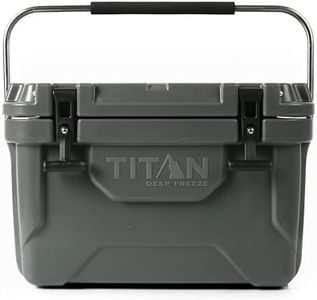
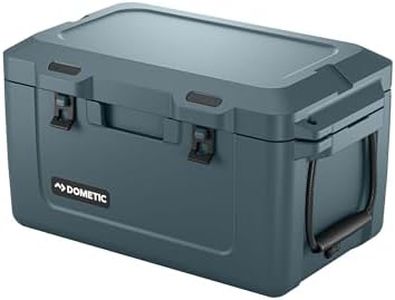

Recommended lists

Top rated
Ice Packs For Coolers
Buying Guide for the Best Coolers That Keep Ice For Days
Choosing a cooler that keeps ice for days is mainly about ensuring your food and drinks stay cold and safe during a trip, picnic, or outdoor activity. Modern coolers are designed with different features that affect how well they retain ice and for how long. Understanding the key specifications will help you select a cooler that matches how you plan to use it—whether that's short day-trips, camping weekends, or multi-day adventures far from the nearest fridge.Insulation Material and ThicknessInsulation material and its thickness determine how well the cooler can keep the inside cold and slow down ice melting. Most high-performance coolers use thick walls filled with advanced foam insulation. Coolers with more insulation will typically keep ice longer, sometimes for several days. Lightweight or budget-oriented models may use thinner insulation, making them lighter but not as effective at keeping ice. If you plan on being without a refrigerator for more than a day or two, it's wise to focus on models with thicker, premium insulation, even if they're heavier.
Seal Quality and Lid GasketThe seal around the lid, often made with a rubber gasket, helps lock in the cold and keep warm air from getting inside. A high-quality, airtight seal makes a big difference in how long ice lasts. Basic coolers may have just a plastic-on-plastic interface that closes but isn't truly sealed, leading to much faster melting. For trips longer than a day, or where you'll be opening the cooler often, look for one with a substantial gasket or locking mechanism that ensures a tight closure each time.
Cooler Size and CapacityCoolers come in different sizes, and the amount of air inside versus how much you pack it affects ice retention. A larger cooler can hold more ice, but if you don’t fill it up, the air inside will cause ice to melt faster. For quick outings, a smaller cooler is usually enough and stays cold if packed tightly. For longer trips or bigger groups, a larger cooler may be needed, but it’s best used when nearly full. Consider how many people you'll be serving and how long you'll be out to select an appropriate size.
Ice Retention TimeManufacturers often list estimated ice retention times, indicating how many days ice can last inside—this is the main spec people look for in these coolers. Short-term coolers may hold ice for a day or two, suitable for quick picnics. Mid-range models might keep ice for up to 3 days, while top-end ones can sometimes manage 5 or more. However, real-world use can differ (depending on how often you open it and environmental conditions). Pick a cooler with an ice retention rating that matches the length of your trips, but expect actual performance to vary based on how you use it.
Drainage SystemAs ice melts, water collects at the bottom, so a good drainage system helps keep your food from getting soggy and makes it easier to add fresh ice or clean up. Some coolers have simple spouts, while others feature screw-on or even leak-proof drains. For longer use, or if you’re moving the cooler a lot, an easy-to-use drainage system is especially helpful. If you only take short trips, this feature may be less critical.
Durability and ConstructionOutdoor coolers vary in build quality, from lightweight options designed to be carried easily to heavy-duty ones built for rugged conditions. Premium coolers often have thick, sturdy walls and strong handles and hinges to withstand frequent travel, drops, and the elements. If you often go camping, boating, or travel over rough terrain, a durable cooler will be a better investment. For backyard use or gentle trips, lighter models may be sufficient.