10 Best Cooling Pillow
From leading brands and best sellers available on the web.By clicking on a link to a third party's website, log data is shared with that third party.

Related Products
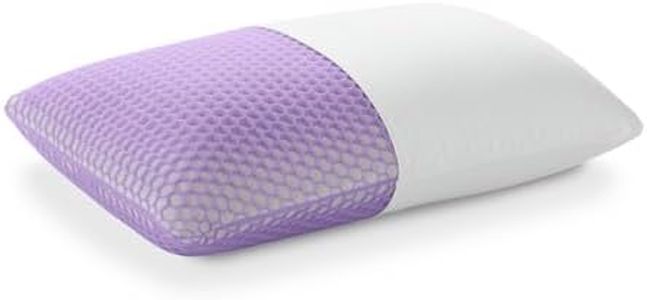
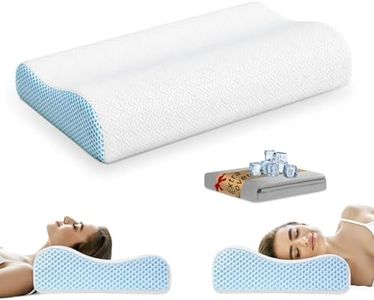
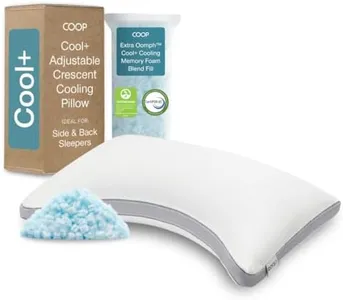
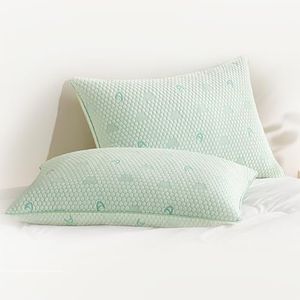
Buying Guide for the Best Cooling Pillow
Selecting the right cooling pillow can make a huge difference in your sleep comfort, especially if you tend to get warm at night or live in a hot climate. The goal of a cooling pillow is to help keep your head and neck cool, improve airflow, and reduce heat retention so you can sleep more soundly. When shopping for one, it's important to pay attention to a few key factors that affect how effectively the pillow can keep you cool as well as how comfortable it will be overall.Cooling Material/TechnologyThis refers to what materials or cooling methods the pillow uses to help regulate temperature. Common options include gel infusions, memory foam with cooling beads, breathable covers, and special phase-change materials. This spec is important because each type offers different levels of cooling and breathability. For example, gel usually feels initially cool, while phase-change materials actively regulate temperature throughout the night. If you tend to overheat quickly, active cooling materials like phase-change are helpful; if you want gentle breathability, open-cell foam or lightweight gel might be more suitable. Consider your own sleeping temperature and whether you need strong cooling or just a touch of extra freshness.
Pillow Fill TypeFill type tells you what the inside of the pillow is made of, such as memory foam, shredded foam, latex, or microfibers. This matters because different fills feel and perform differently when it comes to both comfort and cooling. Solid memory foam molds to your head but can trap heat unless it's ventilated or gel-infused. Shredded foam and latex tend to be more breathable because there's more space for air flow. If you want something that feels plush and keeps air moving, shredded fills or latex can work well; if you need solid support, look for ventilated memory foam with added cooling.
Cover FabricThe cover of the pillow can make a noticeable difference in how cool it feels. Common cover materials include cotton, bamboo, polyester blends, or technical fabrics designed for moisture-wicking and temperature control. This spec is important because a breathable and cool-to-the-touch cover can enhance the overall cooling effect. Natural fibers like bamboo and cotton often feel crisp and draw away moisture, while some synthetic covers have cooling technologies built in. If you sweat at night or want easy washing, choose a cover that's moisture-wicking and machine-washable.
Loft/ThicknessLoft refers to the height or thickness of the pillow. It's important because it affects your sleeping posture and comfort as well as airflow around your head and neck. Higher loft pillows may provide more support but can trap more heat, while low and medium loft options often stay cooler and are better suited for back and stomach sleepers. To pick the right loft, think about your sleep position—side sleepers usually need higher loft for neck support, while back and stomach sleepers do better with low to medium loft for cooler, flatter support.
Breathability and AirflowBreathability describes how well air moves through the pillow, preventing heat from building up. This is influenced by fill type, how the pillow is constructed (solid or shredded), and if it has ventilation holes or mesh panels. Good breathability means a cooler sleep experience. If you prioritize maximum cooling, look for pillows with airflow channels, mesh sides, or shredded fill, but make sure it's still comfortable and supportive for your sleeping style.