10 Best Cordless Brad Nailers
From leading brands and best sellers available on the web.By clicking on a link to a third party's website, log data is shared with that third party.
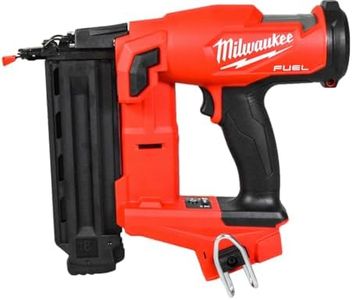
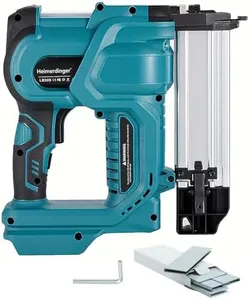
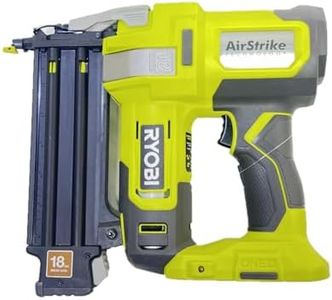
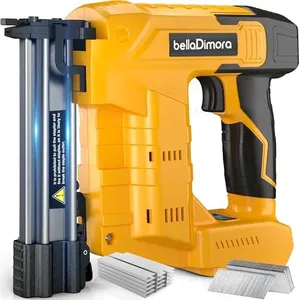
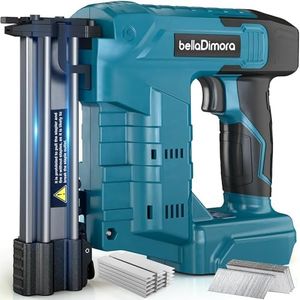
Related Products
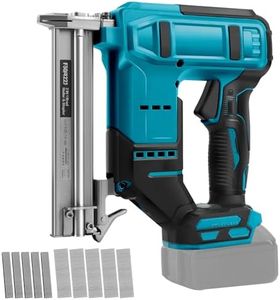
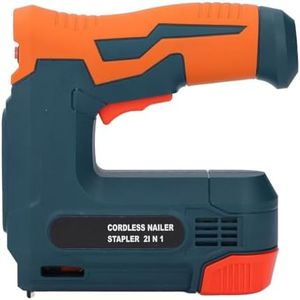

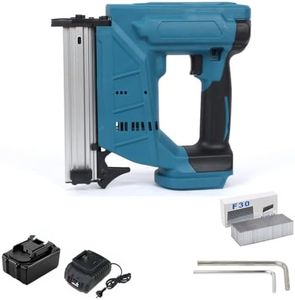
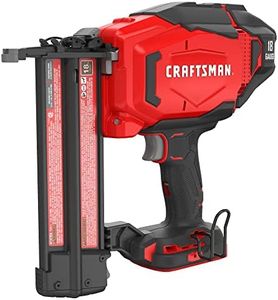
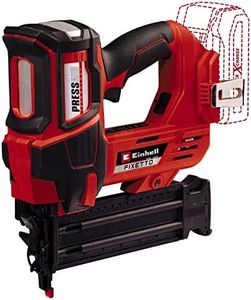
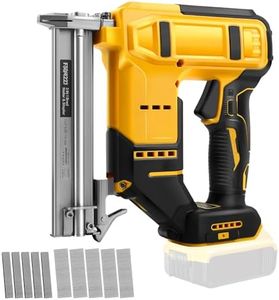
Buying Guide for the Best Cordless Brad Nailers
When choosing a cordless brad nailer, it’s important to understand how different features impact ease of use, performance, and the types of projects you can accomplish. Knowing these key specifications will help you match a nailer to your needs, whether you’re looking to tackle occasional home tasks or professional finish work. Instead of just grabbing the first one you see, take a moment to consider what kind of work you’ll do most, where you’ll use it, and how frequently.Gauge SizeThe gauge size refers to the thickness of the nails the brad nailer can use. Most brad nailers use 18-gauge nails, which are thin and ideal for delicate or precision trim work, such as attaching small molding, because they leave smaller holes that are easy to fill. Some nailers may use a slightly different gauge. Choose a lower gauge if you need a stronger hold but understand that larger holes will be left behind. If your projects involve delicate trims or furniture making, 18-gauge is often the sweet spot.
Nail Length CapacityThis specification tells you the range of nail lengths the tool can fire. Shorter nails (from 5/8” to around 1”) are better for thin or delicate materials, while longer nails (up to 2” or more) offer more holding power for thicker trim and assemblies. If you mostly work with thin trim, you might be fine with a narrow length range, but if you want to use the nailer for a variety of projects, wider length compatibility gives you more flexibility.
Power Source and Battery LifeCordless brad nailers are powered by rechargeable batteries. Battery voltage (often 18V or 20V) and amp-hour (Ah) ratings affect both power and how long you can work before recharging. Higher voltage and Ah values generally mean more nails per charge and the ability to drive longer nails into tougher materials. For occasional, light-duty use, shorter battery life may suffice, but for longer projects or professional use, opt for longer-lasting batteries.
Magazine CapacityThe magazine is where the nails are loaded. A higher magazine capacity means you can work longer without having to reload, which is helpful for bigger jobs. For small, quick tasks, a lower capacity may be fine, but if you dislike frequent interruptions, choose a nailer with a larger magazine.
Tool Weight and ErgonomicsThe weight and feel of the nailer affect comfort, especially during long periods of use. Heavier nailers might cause fatigue, while lighter models are easier to maneuver and hold for precise placement. If you plan on using the tool overhead or for long sessions, a lighter, well-balanced tool will save your arms and wrists from strain.
Depth Adjustment FeatureDepth adjustment lets you control how deep the nail is driven into the wood. This is important because different woods and trims require different nail depths for a professional look and strong hold. Look for simple, tool-free adjustment mechanisms if you plan to switch materials often so you can make changes quickly and easily as you work.
Jam Clearing MechanismOccasionally, nails can jam in the tool. A user-friendly jam clearing mechanism allows you to quickly resolve these issues and get back to work. If you don’t want to waste time fiddling with your nailer mid-project, look for nailers with easy, tool-free jam release systems.
Safety FeaturesSafety switches, trigger locks, and tip guards help prevent accidental firing, which is important for any power tool. If you’re new to brad nailers or will be using them around others, these features give you added peace of mind and help prevent injuries.