10 Best Cordless Soldering Irons
From leading brands and best sellers available on the web.By clicking on a link to a third party's website, log data is shared with that third party.
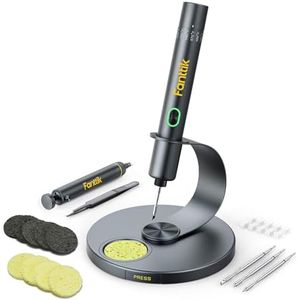
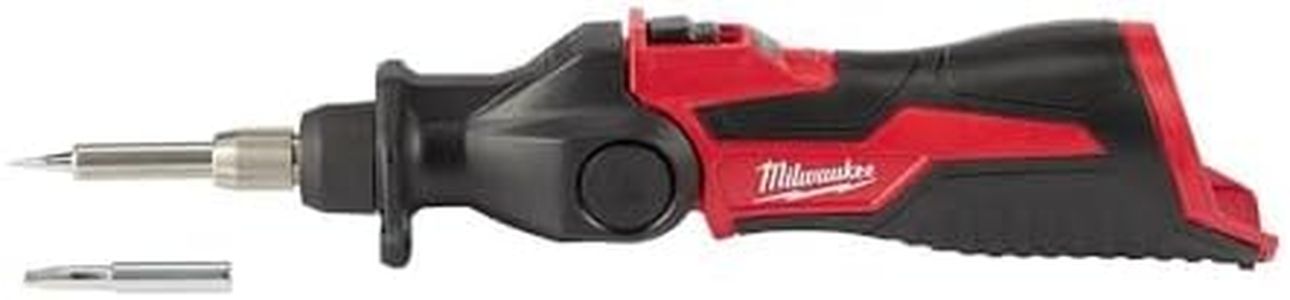
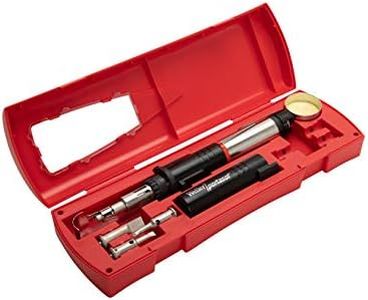

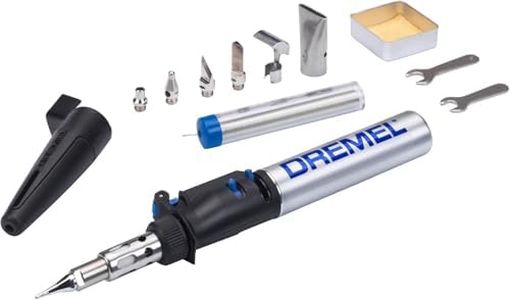
Related Products
Up to 5% off
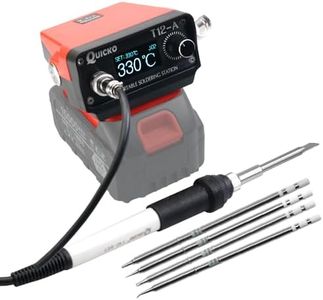
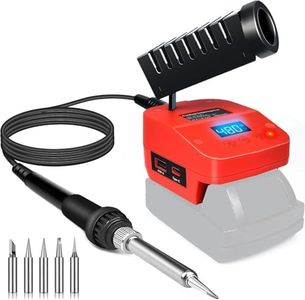

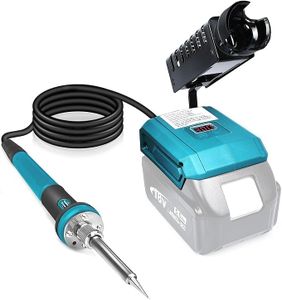
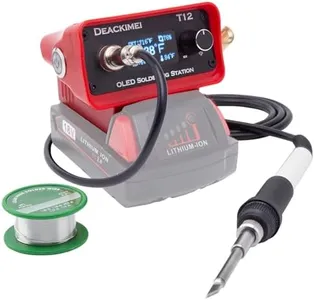
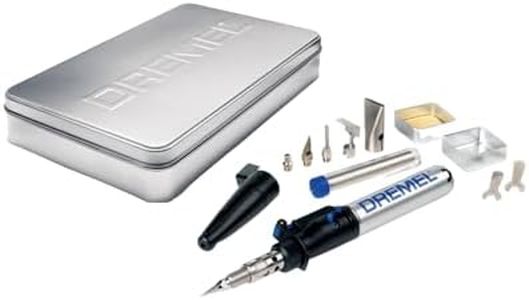
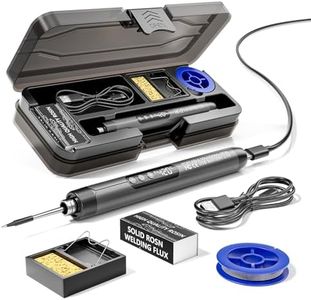
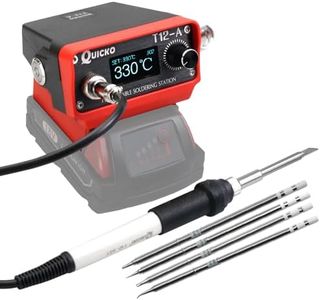
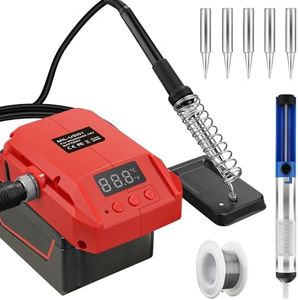
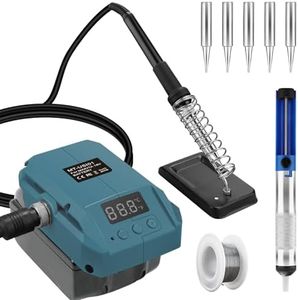
Buying Guide for the Best Cordless Soldering Irons
Choosing a cordless soldering iron can make electronics work, DIY crafts, or small repairs much easier and more flexible, especially if you don’t want to be tied to a power outlet. To get the best fit for your needs, it’s important to understand what different features mean and how they can impact what you do. Start by thinking about how often you’ll use the tool, what types of projects you plan to tackle, and where you’ll be working. This will help you focus on the specifications that matter most for your situation.Power Source (Battery Type)Cordless soldering irons use different types of batteries, such as rechargeable lithium-ion, disposable alkalines, or even butane gas. This spec matters because it affects portability, convenience, and running costs. Lithium-ion models usually offer longer runtime and recharge convenience, while butane can give higher temperatures and faster refill times, ideal for intensive use. Disposable batteries are generally less powerful and less environmentally friendly. Think about where and how long you’ll work at a time, whether you want an easy recharge or fast refills, and how available replacement batteries or fuel will be for you.
Heat-Up TimeHeat-up time is the amount of time it takes for the soldering iron to reach its working temperature after you turn it on. This matters if you want to get started quickly or need to do small jobs on the go. Some irons heat up in under 20 seconds, while others can take a minute or more. For quick repairs or work in the field, pick a model with a shorter heat-up time. If you’ll be using the iron for longer sessions, this spec may be less critical.
Temperature Range and ControlThis refers to how hot the tip of the soldering iron can get and whether you can adjust the temperature. Higher temperature ranges allow you to work with different types of solder and materials. Adjustable temperature gives you more control and is better suited for delicate electronics or more varied projects. If you plan to solder sensitive components or work on a mix of projects, prioritize a wide and adjustable range. If you mainly work on simple wiring or basic repairs, a fixed temperature model may be sufficient.
Tip Compatibility and ReplacementSoldering iron tips come in various shapes and sizes for different types of work, and being able to use different tips or easily replace them adds a lot of versatility. Some irons use proprietary tips, while others accept common styles. If you plan to do a range of tasks or want to replace a worn tip easily, check for compatibility and availability of replacement tips. Standard tips are ideal for basic work, while finer or specialized tips are necessary for intricate electronics or specialized projects.
RuntimeRuntime is how long the iron can operate on a full battery or fuel load. This is especially important if you need to use the tool away from power sources or plan longer work sessions. Battery-powered models typically run 30 to 90 minutes, while butane models may offer longer runtime. Consider the average duration of your tasks — for quick jobs, shorter runtime is fine, but for longer repair sessions, look for higher capacity or models with easy refueling/recharging.
Safety FeaturesSafety features can include automatic shutoff, cool-down times, locking switches, and protective covers. These features prevent accidents, especially if you’re new to soldering or if the iron may be left unattended. If you’re concerned about safety around kids or in busy areas, seek models with robust safety features. Seasoned users may prioritize fast cool-down and quick shutoff, while beginners benefit from tip protection and warning indicators.