We Use CookiesWe use cookies to enhance the security, performance,
functionality and for analytical and promotional activities. By continuing to browse this site you
are agreeing to our privacy policy
10 Best Cotton Dish Towels
From leading brands and best sellers available on the web.By clicking on a link to a third party's website, log data is shared with that third party.
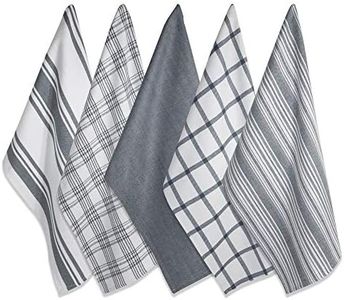

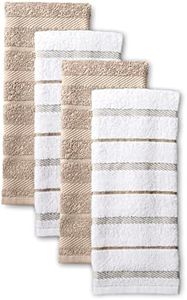
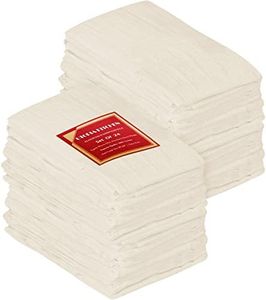
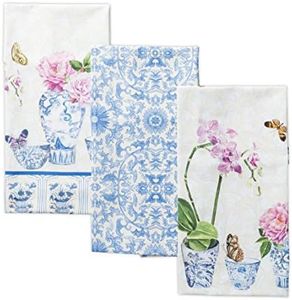
Related Products
Up to 5% off
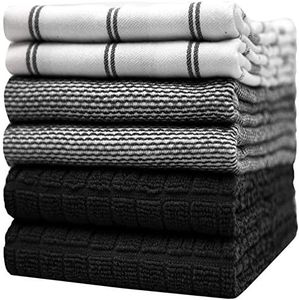
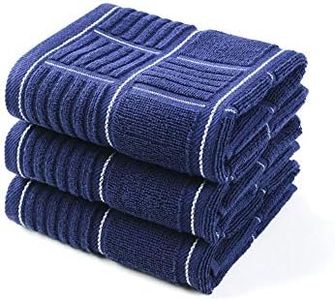
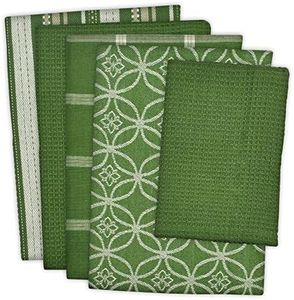
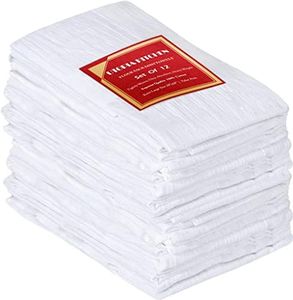
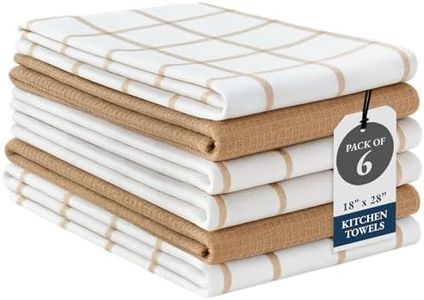
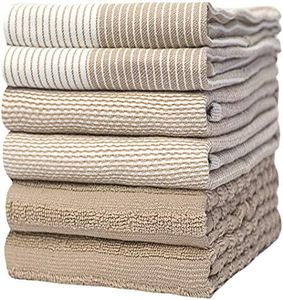

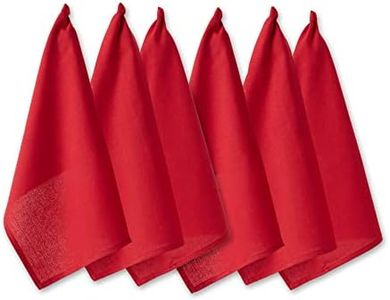
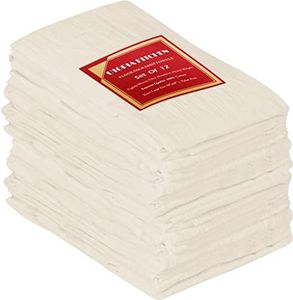
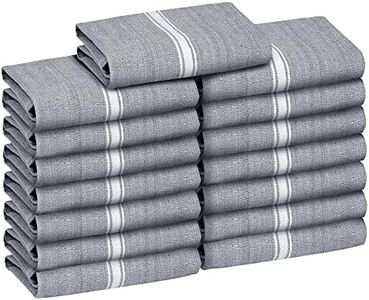
Buying Guide for the Best Cotton Dish Towels
Choosing the right cotton dish towels can make everyday kitchen tasks more convenient, efficient, and pleasant. While dish towels might seem like a simple item, there are actually several key features that set high-quality towels apart from the rest. Understanding these features helps you choose towels that meet your cleaning, drying, and even style needs, making your kitchen routine easier and more enjoyable.Material QualityMaterial quality refers to the type and grade of cotton used in the towel. Higher-quality cotton, such as combed or ring-spun varieties, is softer, more absorbent, and less likely to pill after washing. When choosing, think about how important softness and durability are for your daily use. For frequent drying and wiping, top-quality cotton is best, while basic cotton may suffice for occasional use.
AbsorbencyAbsorbency measures how much water the towel can soak up. This is a key factor if you plan on drying a lot of dishes or cleaning up spills. Towels with a higher absorbency will handle big jobs more efficiently. If you mostly use towels for gentle drying or lightweight cleaning, moderate absorbency will work, but for heavy-duty tasks or lots of dishes, look for towels labeled as highly absorbent.
Weave TypeThe weave type affects the feel, absorbency, and durability of the towel. Common weaves include flat weave (tight, smooth, good for drying glassware), terry (looped, thick, very absorbent), and waffle weave (textured, quick-drying). Your choice should depend on your main use: flat weave for lint-free drying, terry for heavy soaking, and waffle weave for fast drying and easy handling.
SizeSize determines how much surface you have for cleaning and drying. Smaller towels are easier to handle for small spills or hands, while larger towels can dry more dishes at once or handle bigger messes. Think about your usual tasks: if you need versatility and often handle lots of dishes, go for a larger size; for light, quick use, a smaller towel might be more convenient.
Thickness (GSM)GSM (grams per square meter) indicates thickness and density. Higher GSM means a thicker, heavier towel that tends to be more plush and absorbent, while lower GSM makes for a thinner, lighter, and quicker-drying towel. Pick the thickness that matches how you use your towels: thick for high absorbency and comfort, thin for faster drying and easier wringing.
Durability and CareThis refers to how well the towel holds up to repeated washing and use. Look for details like double-stitched edges, pre-washed fabric, and colorfast dyes if you want towels that stay strong and attractive over time. If you’ll be washing your towels often or using them heavily, prioritize durability features to avoid fraying, shrinking, or fading.
Design and ColorDesign and color may seem purely aesthetic, but they can also be functional. Light colors highlight stains (helpful for cleanliness), while bold colors or patterns can match your kitchen decor. Some towels even have loops or hooks for easy hanging. Choose a design that fits your style and consider functional touches that make the towels easier to store and use in your space.