4 Best Crabgrass Killers For Lawns
From leading brands and best sellers available on the web.By clicking on a link to a third party's website, log data is shared with that third party.
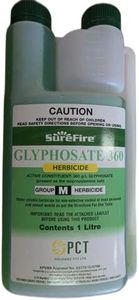
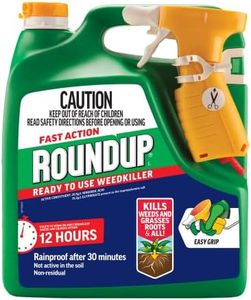
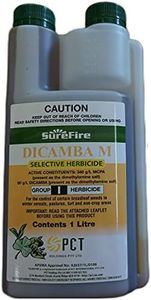
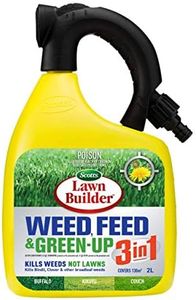
Buying Guide for the Best Crabgrass Killers For Lawns
Choosing the right crabgrass killer for your lawn can make a noticeable difference in keeping your grass healthy and weed-free. The selection process involves understanding how these products work and what your particular lawn needs. It's important to pay attention to the product type, timing of application, and safety for your grass type. Matching the right product to your lawn's requirements ensures effective weed control without damaging your desirable grass.Type (Pre-emergent vs. Post-emergent)Crabgrass killers are usually divided into pre-emergent and post-emergent types. Pre-emergents prevent crabgrass seeds from sprouting, while post-emergents kill crabgrass that has already appeared. Pre-emergents are used in early spring before you see any crabgrass, which is ideal if you want to stop it before it becomes a problem. Post-emergents are best if crabgrass is already visible. Choose pre-emergent if you're looking to prevent crabgrass, and post-emergent if you're looking to treat an existing infestation.
Selectivity (Selective vs. Non-selective)This refers to whether the product targets only crabgrass or kills a range of plants. Selective crabgrass killers are designed to kill crabgrass without harming your lawn, which is essential if you want to keep your regular grass healthy. Non-selective options will kill most plants they touch, including your grass. For most homeowners, a selective product is the best choice unless you are clearing an area completely.
Application Method (Granular vs. Liquid)Crabgrass killers can come as granules or liquids. Granular products are spread with a spreader and activated by watering, while liquid types are usually mixed with water and sprayed onto the lawn. Granules are easier for larger areas and less likely to cause chemical burns if applied properly. Liquids provide quick coverage and work well for targeting specific spots. Your choice should depend on the size of your lawn and your comfort level with application tools.
Grass Type CompatibilityNot all crabgrass killers are safe for every type of grass. Some products may damage certain grass species while being safe for others. Always check if the product is suitable for your variety, such as Kentucky bluegrass, Bermuda, or fescue. Picking a compatible product prevents harm to the good grass and ensures you only target the unwanted crabgrass.
Timing of ApplicationTiming is crucial for the effectiveness of crabgrass killers, especially pre-emergents. They must be applied before crabgrass seeds germinate, which is often when soil temperatures reach around 55°F. Post-emergents, on the other hand, work best when crabgrass is young and actively growing. Understanding the right season and growth stage for application helps you get the best results with minimal effort.
Environmental Safety and PetsSome crabgrass killers can be harmful if pets or children play on the lawn soon after application. Always check the product for safety instructions regarding re-entry time and whether it's safe for use around pets and wildlife. If you have pets or kids, look for products labeled as low-toxicity or safe to use around animals, and always follow the recommended safety practices.