10 Best Cuckoo Clocks
From leading brands and best sellers available on the web.By clicking on a link to a third party's website, log data is shared with that third party.
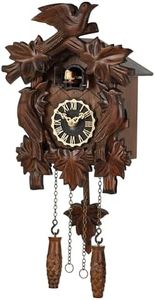
Related Products
Up to 8% off
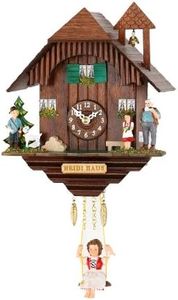
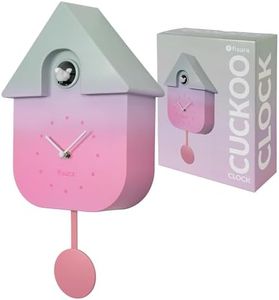
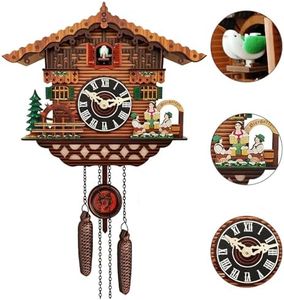
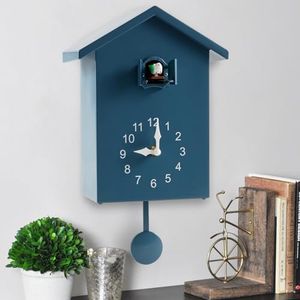
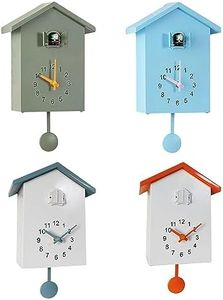
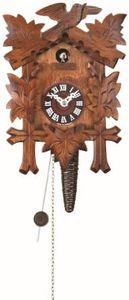
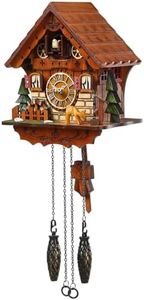
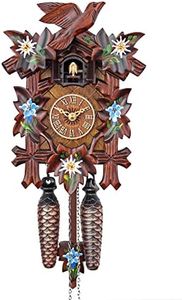
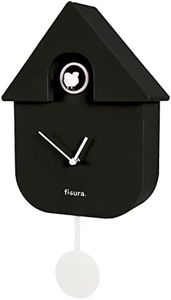
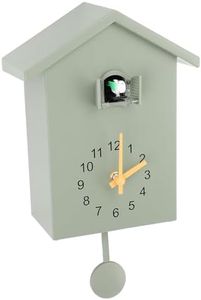
Recommended lists
Top rated
Gym Clocks
Buying Guide for the Best Cuckoo Clocks
Choosing a cuckoo clock can be a delightful experience, as these charming timepieces combine both function and decorative art. The process should focus on matching the clock to your space, your level of interest in clock care, and the kind of charm or ambiance you want to add to your home. Since cuckoo clocks come in a variety of designs and mechanisms, it’s important to understand the main features to find one that truly fits your needs and lifestyle.Movement TypeThe movement type refers to how the cuckoo clock keeps time and operates the cuckoo bird and other animations. There are two main types: mechanical and quartz (battery-powered). Mechanical movements require regular winding—usually either every 1 day (1-day movement) or every 8 days (8-day movement). Mechanical clocks are highly traditional and offer a classic experience but require some maintenance and attention. Quartz movements, on the other hand, use batteries and need less upkeep, making them ideal if you want convenience and reliability. If you enjoy tradition and don't mind winding your clock, a mechanical movement could be for you; if you prefer low maintenance, consider quartz.
SizeThe size of a cuckoo clock is typically described in terms of its height, often including the weights and pendulum. Smaller clocks can fit in cozier spaces or on shelves, while larger clocks become a dominant decorative feature on the wall. Decide where you want to place your clock and measure the available space. Pick a size that suits your room: smaller clocks for subtle charm and bigger ones for a statement piece.
Design StyleCuckoo clocks come mainly in two styles: traditional (carved with forest scenes or animals, representing the Black Forest heritage) and chalet-style (depicting scenes of Alpine houses, often with playful animations). The style you choose sets the atmosphere—traditional for classic, old-world feel, and chalet for a whimsical, storybook touch. Reflect on what matches your room’s decor and your personal taste.
Features and AnimationsMany cuckoo clocks have additional features like music, dancers, moving figurines, or scenes that come to life when the clock strikes. Some simply feature only the cuckoo bird. Whether you want just the call of the cuckoo or enjoy elaborate performances every hour, think about how much activity and sound you want from your clock. If you appreciate lively displays, pick a clock with more animated features; if you prefer simplicity, a plainer model may be best.
Night Shut-OffNight shut-off is a feature that silences the cuckoo calls and/or music during nighttime hours. This can be manual or automatic depending on the clock. If you are sensitive to sounds at night or the clock will be placed in a bedroom or sleeping area, this feature can be very important for your comfort. If you love hearing the cuckoo during the day but want silence while you sleep, look for a clock with night shut-off.
Build Quality and MaterialsCuckoo clocks are often made of wood, with hand-carved decorations signifying quality and tradition. The workmanship impacts durability and appearance. Solid wood and hand-carving are marks of higher craftsmanship, while some clocks use less expensive materials or machine-carving. If you value authenticity and longevity, choose a model known for high-quality materials and construction. If appearance and tradition matter less, you might opt for simpler construction.