10 Best Curved Shower Rods
From leading brands and best sellers available on the web.By clicking on a link to a third party's website, log data is shared with that third party.

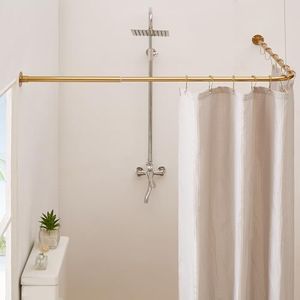
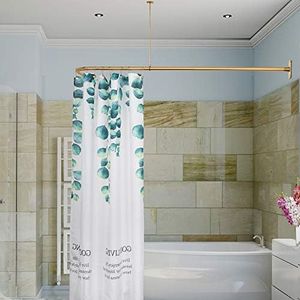
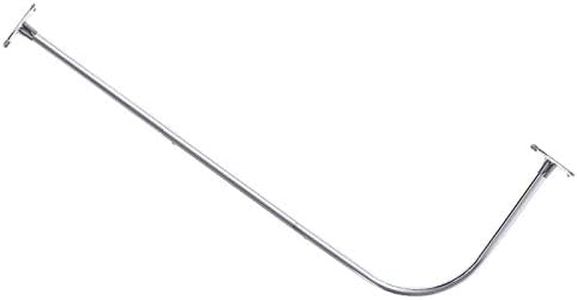
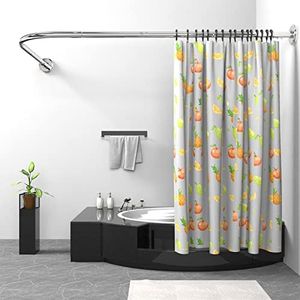
Related Products



Buying Guide for the Best Curved Shower Rods
Choosing a curved shower rod may seem like a small decision, but it can really make a difference in both the look and function of your bathroom. The extra space and stylish design can improve your daily shower experience. When shopping for a curved shower rod, paying attention to a few key features will help you find the perfect fit for your bathroom's layout and your personal preferences. It's important to consider where and how you'll install it, the materials, and how much adjustability you'll need. Understanding these main specs will guide you to a shower rod that’s practical, durable, and looks great.MaterialThe material of a curved shower rod is important because it affects both durability and appearance. Common options include stainless steel, aluminum, and various coated metals. Stainless steel is usually rust-resistant and has a shiny look, making it a reliable choice for damp bathrooms. Aluminum rods are lightweight and also resist rust but may not feel as substantial. Coated metal rods are more affordable but may chip over time if not well-made. Thinking about your bathroom's moisture level and how much wear and tear the rod will get can help you choose the right material. If you want something that lasts and looks sleek, stainless steel is a good bet; for lighter or temporary installations, aluminum or coated metals might work.
Length and AdjustabilityThis spec tells you how long the rod is and whether its length can be adjusted to fit different shower or tub sizes. Some rods are fixed in length and work best for standard-sized bathtubs, while others can extend or retract to fit a range of widths. Adjustable rods are more flexible, allowing you to fine-tune the fit if your shower isn't a common size or if you might want to move it later. To pick the right one, measure the space between your shower walls before shopping. Choose an adjustable rod if you’re unsure of the size or want flexibility, or go for a fixed rod if your space matches common industry measurements.
Installation TypeInstallation type refers to how the rod is mounted in your bathroom. Most curved shower rods are either tension-mounted or require permanent wall mounting with screws and brackets. Tension rods use a spring mechanism and rubber ends, so you don’t need to drill holes—making them easy to install and remove, particularly in rented spaces. Wall-mounted rods are screwed into the wall, providing a more secure and sturdy setup that’s better for heavier curtains or long-term use. Consider whether you are allowed or want to drill into your bathroom walls. If you need a temporary or renter-friendly solution, go for a tension rod; for more stability, pick a wall-mounted option.
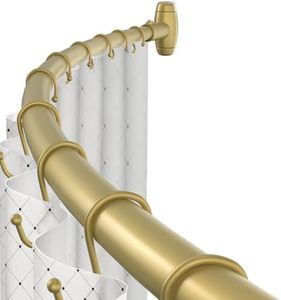
Curve DepthCurve depth is the distance the rod bends outward from the wall, which creates extra shower space. A deeper curve means more elbow room inside the shower, helping prevent the curtain from sticking to you, while a gentle curve saves bathroom space but adds less extra shower area. The right curve depth depends on your need for more space and your bathroom’s layout. If your shower feels cramped and you have room outside the tub, look for rods with a pronounced curve. If your bathroom is smaller or you want only a subtle improvement, a rod with a gentle curve will be sufficient.
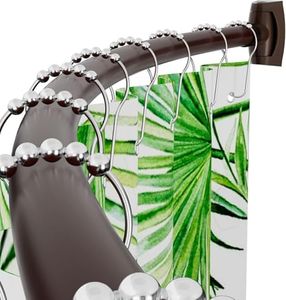
FinishFinish refers to the outer coating or color of the shower rod, affecting both appearance and resistance to corrosion. Common finishes include chrome, brushed nickel, oil-rubbed bronze, and matte options. A finish that matches your other bathroom hardware will create a coordinated look, while those with special coatings can also help prevent rust and tarnishing. When choosing, consider both style and how the finish holds up in a humid environment. If you prioritize style, pick a finish that blends well with your existing fixtures; if you’re worried about rust, choose one with extra protective coatings.