10 Best Cutting Boards For Meat
From leading brands and best sellers available on the web.By clicking on a link to a third party's website, log data is shared with that third party.

Related Products
Up to 50% off
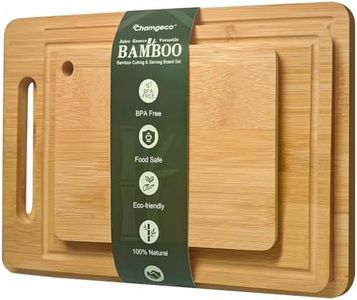
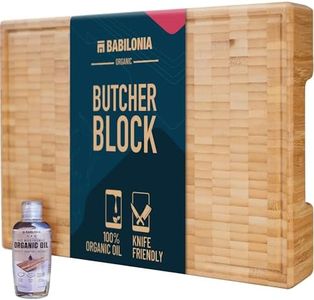



Buying Guide for the Best Cutting Boards For Meat
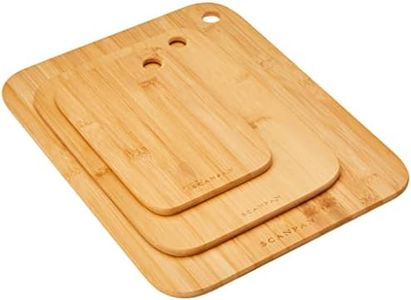
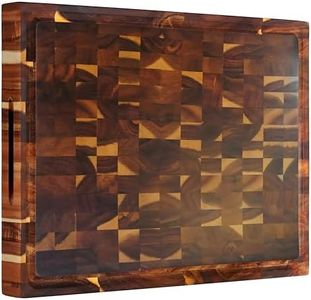
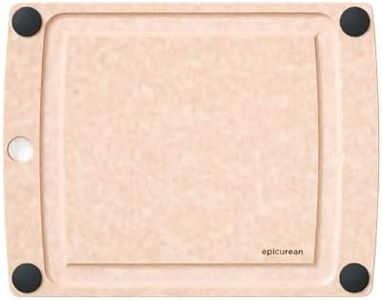
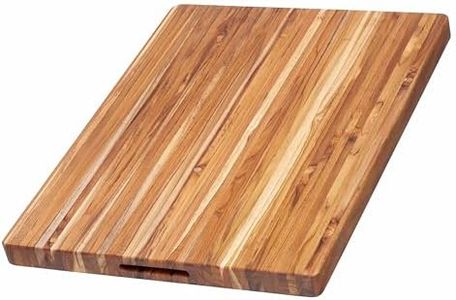
Choosing the right cutting board for meat is important for both food safety and kitchen efficiency. A well-chosen board helps prevent cross-contamination, is easy to clean, and can withstand the rigors of working with raw or cooked meats. When evaluating which board to buy, you should consider factors such as material, size, thickness, juice groove, surface texture, and ease of cleaning. By understanding these aspects, you'll be able to select a cutting board that best matches your kitchen style, cooking frequency, and hygiene preferences.MaterialThe material of a cutting board for meat is crucial because it affects durability, ease of cleaning, and how well it resists bacteria. Common materials include plastic, wood, and bamboo. Plastic boards are non-porous, easy to sanitize, and can often be put in the dishwasher, making them a popular choice for raw meats. Wood boards are gentle on knives and resist scarring, but they are porous and require more care to prevent bacterial buildup. Bamboo is harder than wood, less porous, and eco-friendly but can dull knives faster. In general, if you cook meat frequently and prioritize easy sanitation, plastic is often recommended for meat preparation, while wood and bamboo can be reserved for serving or cutting cooked meat.
SizeSize matters because a board too small will make it difficult to safely cut larger pieces of meat, while one that is too large can be cumbersome to handle and clean. Cutting boards typically range from small (under 12 inches) to extra-large (over 18 inches). For most home cooks, a medium to large board (at least 12x16 inches) gives enough space to work with meat without crowding, allowing for safe slicing and trimming. Consider your countertop space and the typical size of meat cuts you handle to find the best fit for your kitchen.
ThicknessThe thickness of a cutting board affects its stability and durability. Thinner boards (less than 1 inch) are lightweight and easy to store, but they may warp over time and move around during use, especially when handling hefty cuts of meat. Thicker boards (1 inch or more) are more stable and less likely to warp, but they are heavier and take up more space. If you plan to butcher or cut large pieces of meat, a thicker, heavier board is generally safer and provides a sturdier work surface.
Juice GrooveA juice groove is a recessed channel along the edge of the board that catches liquids running off meat. This is especially useful when cutting juicy meats, as it helps prevent messes on your countertop. Boards with a deep, wide groove are ideal for catching more liquid, while those without a groove might be better for serving or cutting dry foods. If you often prepare meats that release a lot of juices, like roast or steak, look for a board with a pronounced juice groove.
Surface TextureSurface texture refers to how smooth or rough the board’s cutting area is. Smooth boards are easier to clean and less likely to trap bacteria, but can be slippery when cutting meat. Slightly textured or grippy surfaces help keep food in place, making it safer to slice meat. Too much texture, however, can make cleaning harder. Choose a surface that offers enough grip for security, but not so much that it makes scrubbing difficult.
Ease of CleaningHow easy the board is to clean impacts both convenience and hygiene. Boards that can be placed in the dishwasher, like many plastics, make maintaining hygiene simple. Wood and bamboo boards need to be hand-washed and should be dried quickly to avoid warping or cracking. Consider how much time and effort you’re willing to dedicate to cleaning. If quick and thorough cleaning is a priority, dishwasher-safe plastic may be best; if aesthetics and presentation are more important, wood or bamboo may suit your needs after proper care.