10 Best Cycling Headphones
From leading brands and best sellers available on the web.By clicking on a link to a third party's website, log data is shared with that third party.
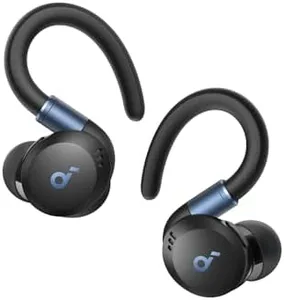
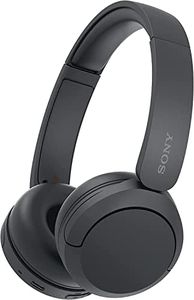
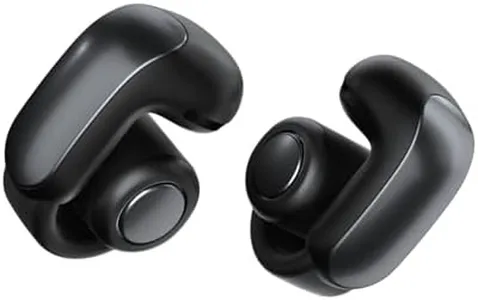
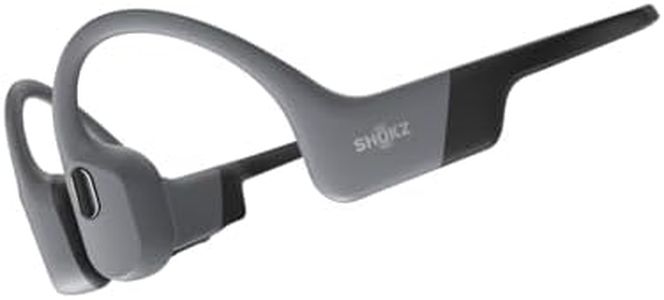
Related Products


Recommended lists

Buying Guide for the Best Cycling Headphones
When choosing headphones for cycling, your main goals should be safety, comfort, and having a reliable listening experience. Since you’ll be wearing these while moving and possibly around traffic, you want headphones that allow you to stay aware of your surroundings, fit securely, and handle outdoor conditions. Think about how you'll use them: Are you riding in busy areas where you have to hear cars or announcements? Do you cycle for long periods or in different weather? Your answers will help narrow down features that matter most for you.Fit and StabilityFit and stability refer to how well the headphones stay on your head or in your ears while you're moving. This is especially important for cycling, where movement and sweat can cause poorly fitting headphones to fall off or become uncomfortable. There are several styles: in-ear (earbuds), on-ear, and bone conduction. Earbuds often come with various ear tip sizes for a snug fit. Over-ear or secure-hook models can also improve stability for intense rides. If you mostly ride on smooth roads and at low intensity, most secure fits will work, but for off-road or fast cycling, prioritize models designed specifically for sports.
Situational Awareness (Openness to the Environment)This spec refers to how much outside sound you can hear while wearing the headphones. It's critical for cycling safety, as you need to be aware of traffic, pedestrians, and emergency signals. Open-ear designs and bone conduction headphones sit outside or just in front of the ear, allowing ambient sound in while you ride. Traditional in-ear or over-ear headphones block more noise, which could be unsafe in busy environments. If you cycle mainly on roads or in public spaces, it's best to choose designs that keep you aware of your surroundings.
Water and Sweat ResistanceThis indicates how well the headphones can handle moisture from sweat or unexpected rain. Headphones often list ratings like IPX4, IPX5, etc. Higher numbers mean better protection. For casual, short rides on dry days, minimal sweat resistance may suffice. But for frequent, long, or intense rides—or if you ride in all weather—look for headphones with at least mid-level water resistance to avoid damage over time.
Battery LifeBattery life tells you how long the headphones can operate on a charge. This is measured in hours. For quick commutes or short workouts, even a few hours of battery life should do. For longer rides or if you don't want to recharge often, seek headphones with longer battery life between charges. Think about your typical ride duration and pick accordingly so your headphones won’t run out mid-way.
Controls and Voice AssistanceHaving easy-to-use controls lets you adjust volume, skip songs, or take calls without needing to stop or take out your phone. Some models use buttons, while others offer touch controls or respond to voice commands. If you want to handle your music or calls without distraction, look for headphones with intuitive controls or reliable voice assistant features. Think about how much you use your device mid-ride and choose the type of controls that would feel safest and most convenient.
Sound QualitySound quality refers to how clear and rich your music or calls sound. For some cyclists, top-notch audio is essential, while others prioritize safety and awareness. Generally, bone conduction and open-ear styles sacrifice some audio richness in favor of safety. If ultimate audio quality is not your top concern and you're more focused on staying alert, be ready to compromise somewhat on this spec.