10 Best Dachshund Harnesses
From leading brands and best sellers available on the web.By clicking on a link to a third party's website, log data is shared with that third party.
Related Products
Up to 13% off

Buying Guide for the Best Dachshund Harnesses
Choosing the right harness for your dachshund is important for their safety, comfort, and well-being. Dachshunds have a unique body shape with a long back and short legs, so it's essential to select a harness that fits well and supports them properly, avoiding pressure on their fragile spines. When selecting a harness, focus on fit, material, style, and adjustability to ensure your dog stays comfortable and secure during walks. Consider how and where you plan to use the harness, as well as your dog’s walking habits.Fit and SizeFit and size refer to how well the harness wraps around your dachshund’s chest and body. This is crucial because a poorly fitting harness can cause discomfort or even injury, especially for dachshunds, who are prone to back problems. Harnesses are usually sized by measuring your dog’s chest girth right behind the front legs. Some are adjustable for a custom fit. Generally, sizes range from extra small to large; most dachshunds need a small or extra small. To choose the right one, carefully measure your dog and follow the manufacturer's sizing guide. If your dachshund is a puppy or between sizes, adjustable straps are extra helpful to get the best fit as they grow or change weight.
MaterialThe material of the harness affects your dog’s comfort, durability of the product, and ease of cleaning. Most harnesses are made of nylon, polyester, mesh, or padded fabrics. Lightweight, breathable mesh is great for warmer climates or active walks, while padded options can help prevent rubbing and provide extra support, ideal for everyday use or dogs with sensitive skin. Nylon is sturdy and often chosen for its durability. To decide what's best for your dachshund, consider local climate, your dog’s skin sensitivity, and how frequently you'll use the harness.
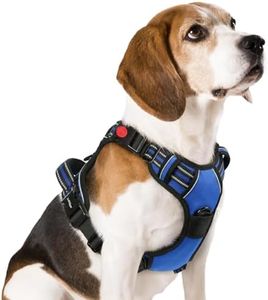
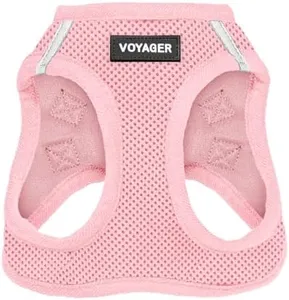
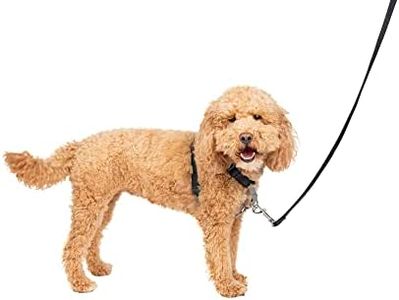
Type of HarnessHarnesses come in different designs, such as back-clip, front-clip, or step-in types. The back-clip harness has the leash attachment point on the dog’s back, offering more comfort and control for calm walkers. Front-clip harnesses help discourage pulling, as they redirect your dog’s movement toward you. Step-in harnesses are easier to put on, especially for dogs who dislike things going over their head. Choosing the right type depends on how your dachshund behaves on walks: if they tend to pull, a front-clip might help, while easygoing walkers do fine with back-clip or step-in models.
AdjustabilityAdjustability means how much you can change the harness’s fit with straps or clips. Adjustable harnesses are important for dachshunds because their bodies can be long and narrow, making standard sizing challenging. Look for multiple adjustment points along the chest and neck to ensure a snug, comfortable fit without chafing. If your dachshund’s size fluctuates or if you have a puppy still growing, high adjustability is useful to extend the harness’s lifespan and maintain comfort.
Padding and SupportPadding provides softness and protection by cushioning sensitive areas like the chest and belly, important for dachshunds who are prone to back injuries. Support refers to how the harness distributes force, ideally spreading it evenly across your dog’s body instead of focusing pressure on the neck or spine. This is especially critical for dachshunds due to their predisposition to spinal issues. Look for harnesses with padded chests and wide bands that help distribute pressure; if your dog has had back problems, prioritizing both padding and support will be best.
Ease of UseEase of use involves how quickly and simply you can put the harness on and take it off. Dachshunds can be squirmy or sensitive about gear, so features like easy-snap buckles or step-in designs can make your life easier. If your dog dislikes things going over their head, a harness with side buckles or a step-in style could be more comfortable for both of you. Think about your daily routine, your dog’s temperament, and your own preferences when considering this feature.