10 Best Deer Fence
From leading brands and best sellers available on the web.By clicking on a link to a third party's website, log data is shared with that third party.
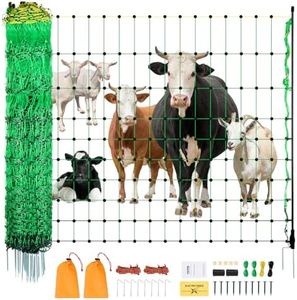
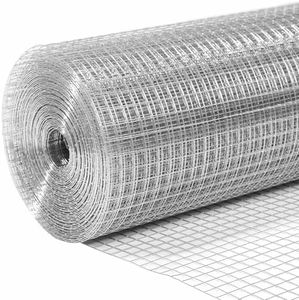

Related Products

Recommended lists
Top rated
Deer Feeders
Buying Guide for the Best Deer Fence
Choosing a deer fence takes a bit of planning, as the goal is to find a barrier effective enough to keep deer out while also fitting your property’s needs. Deer fences can come in many materials, styles, and sizes, and the right choice depends on your property's layout, local deer pressure, and how permanent you want the solution to be. Start by thinking about your priorities: is this for a garden, orchard, or larger property? Also, consider how visible you want the fence to be and whether you're okay with more permanent or temporary solutions. Understanding the key features of deer fences will help you select an option that provides the protection you need while fitting seamlessly into your outdoor space.Fence HeightFence height is one of the most crucial factors when choosing a deer fence. Deer are excellent jumpers, and most can clear obstacles up to 8 feet tall. This means that a deer fence generally needs to be at least 7 to 8 feet tall to be truly effective. Fences around 4 to 6 feet might deter younger or less motivated deer, but they won't stop a hungry adult. For gardens or areas with high deer traffic, go for the higher end, while for less vulnerable spots, something shorter could suffice. The amount of deer activity you expect should determine the height you choose.
Fence MaterialThe material used for a deer fence impacts its durability, visibility, and effectiveness. Common options include metal (like welded wire or woven wire), plastic mesh, and sometimes electric fencing. Metal fences are sturdy and last a long time, making them good for permanent installations. Plastic mesh fences are lighter and less visible, and they're simpler to put up but may not last as long, especially in harsh weather. Electric fences work best as psychological barriers, using a mild shock to teach deer to stay away, and are generally used where physical barriers aren't feasible. Your choice should be guided by how permanent and tough you need the fence to be, as well as your preferences for appearance.
Mesh SizeMesh size refers to the size of the openings in the fence. Smaller mesh sizes prevent deer (and sometimes other animals) from pushing their heads or bodies through, while larger openings might save on cost and make the fence less noticeable. Typically, mesh sizes range from 1 to 4 inches. Smaller sizes are good if you also need to keep out smaller animals, while larger meshes are fine if your main concern is adult deer. Think about what else you want to keep out besides deer when making this choice.
Fence VisibilityVisibility deals with how easy it is for deer to see and recognize the fence as a barrier. Some materials, like black poly mesh, are less visible, which can sometimes be a disadvantage since deer might accidentally run into the fence or challenge it. High-visibility fences tend to deter deer better, as they clearly represent an obstacle. If you need a subtle fence, you might opt for a less visible material, but for best deterrence, something that stands out—at least with visible tape or flagging—works better. Consider whether you want your fence to blend in or to be a clear visual barrier for deer.
Ease of InstallationInstallation can range from simple DIY setups to more complex and labor-intensive projects. Lighter materials like plastic mesh are generally easier to handle, while metal fencing may require more substantial posts and tools. If you're planning to install the fence yourself, consider your comfort level with tools and physical labor, as well as how permanent you want the solution to be. More permanent, heavy-duty fences tend to take more effort but last much longer.
Maintenance NeedsLike any outdoor structure, deer fences need care. Some materials require little more than basic checks for damage, while others—like electric fences—need regular inspections to ensure they’re working properly. Weather can also affect how much you'll need to maintain the fence; heavy snow, rain, or wind may wear out plastic meshes faster than metal. Choose based on how much time you’re willing to spend on upkeep and how critical constant protection is for your area.