10 Best dehydrator
From leading brands and best sellers available on the web.By clicking on a link to a third party's website, log data is shared with that third party.



Related Products


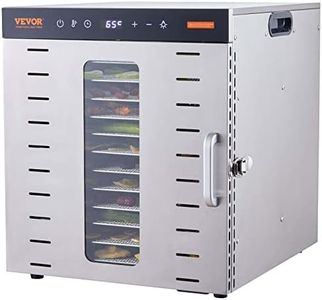


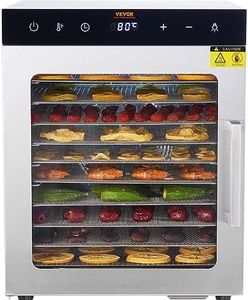
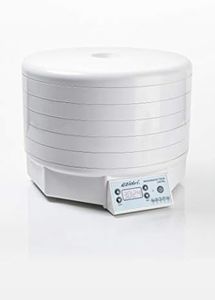
Buying Guide for the Best dehydrator
Choosing a dehydrator can seem overwhelming at first, but it's all about understanding what features matter most for your needs. Dehydrators help you remove moisture from foods like fruits, vegetables, and meats, which can make snacks, preserve ingredients, or prepare camping foods. When picking the best dehydrator, think about what you want to dry, how often you'll use it, and how much space you can dedicate to it. Understanding the main specs will help you get a model that fits your lifestyle and preserves your food just the way you like it.CapacityCapacity refers to how much food you can dehydrate at once, often described in terms of the number of trays or total drying area. It's important because it determines how much you can process during a single batch. Smaller units (with fewer trays) are great for occasional use or smaller households, while larger models with more trays suit frequent users or those who want to process bigger harvests at once. Pick a capacity that matches how much food you plan to dry at a time—there’s no need for a large machine if you’ll only use it occasionally, but larger capacities save time for bulk preparation.
Temperature RangeThe temperature range is the spectrum of heat settings the dehydrator offers. It matters because different foods require different temperatures for optimal drying—herbs and flowers need lower settings, while jerky and fruits often need higher temperatures. Navigating this spec means looking for a dehydrator that at least covers the range from 95°F to 160°F. If you want to dry a wide variety of foods, look for a model with a broad adjustable range so you don’t limit yourself to just certain types of foods.
Airflow System (Fan Location)Airflow system, often determined by the fan location, affects how evenly food dries. Some dehydrators have fans at the top or bottom (vertical airflow), others at the back (horizontal airflow). Vertical airflow units can sometimes lead to uneven drying and may require rotating trays, while horizontal airflow distributes heat more evenly, requiring less attention. If you want a hands-off experience or to dry mixed types of food at once, horizontal airflow is usually the best choice, while vertical units work fine if you don’t mind a bit of tray shifting.
Timer and Auto Shut-OffA timer lets you set precise drying durations, and auto shut-off turns the dehydrator off when the time is up. This spec is important for convenience and safety, especially when drying food overnight or when you can’t monitor the machine all day. Simpler models may not have a timer, so you’ll need to manually check the process. If you prefer 'set it and forget it' functionality, or plan to run the dehydrator while away or asleep, look for models with these features.
Ease of CleaningEase of cleaning refers to how simple it is to wash the trays and interior of the dehydrator. This matters because dried food can stick and create messes over time, so the easier the parts are to remove and clean, the better your experience will be. Some trays are dishwasher-safe and made of nonstick materials. If you’ll use the dehydrator often, prioritize trays and racks that are easy to wash and manage.
Noise LevelNoise level is how loud the dehydrator operates. Since many dehydrators run for long periods, quieter models are more pleasant, especially if the device will be working where you relax or sleep. Some dehydrators are near-silent, while others are as loud as a small fan. Think about where the dehydrator will be running most often. If noise is a concern, look for reviews or details about quiet operation.