10 Best Digging Shovels
From leading brands and best sellers available on the web.By clicking on a link to a third party's website, log data is shared with that third party.


Related Products


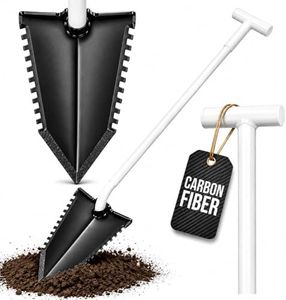


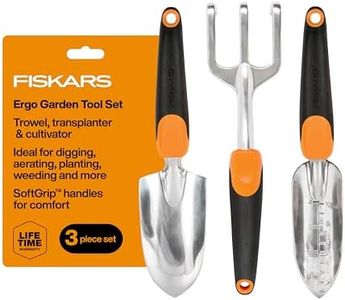


Buying Guide for the Best Digging Shovels
Choosing the best digging shovel comes down to matching the tool to the job you want to accomplish. Not all shovels are the same—some are better suited for general digging, some for moving soil, and others for special tasks like trenching or transplanting. Think about what kinds of soil you typically work with, the amount of digging you expect to do, and your own strength and comfort. The right shovel will make your yard or garden projects much easier and more enjoyable.Blade ShapeThe shape of the shovel blade greatly affects how it performs. Round-point blades are best for general digging: they cut into soil easily and can handle everything from breaking ground to moving loose materials. Square-point blades are better for scooping and moving soil or gravel, but aren't great for digging into tough ground. If you often dig through grass or tough soil, a round or pointed blade is usually a good choice. For edging or transplanting, you might want a specialized blade shape—always match the blade to the types of tasks you will do most often.
Blade SizeBlade size refers to how wide and long the working part of the shovel is. A larger blade moves more material with each scoop but can be heavier and harder to push into the ground, especially if the soil is compact or heavy. Smaller blades are easier to handle, let you work with precision, and are ideal if you regularly deal with rocky or clay-heavy soil. If you plan on moving a lot of loose soil, look for a bigger blade; if you value control, maneuverability, or need to work in tight spots, go smaller.
Handle LengthHandle length impacts your comfort and leverage. Longer handles give you more leverage and can reduce bending, which is easier on your back when digging deep holes. However, they might feel unwieldy in small spaces. Shorter handles are easier to control and store, but may require more bending and can tire your back faster. Consider your height—taller users often prefer longer handles—and the type of digging you’ll do. For lots of deep digging, a longer handle is ideal. For tight spaces or smaller tasks, a shorter handle does the job.
Handle MaterialShovel handles are commonly made from wood, fiberglass, or metal. Wood is traditional and absorbs shock well, making it comfortable but potentially breakable if misused. Fiberglass is strong, weather-resistant, and often lighter, giving you a good mix of strength and comfort, but tends to cost more. Metal handles are very durable but can feel heavy and uncomfortable in cold or hot weather. If you want a lightweight tool, fiberglass is a great choice. If you’re looking for classic feel and shock absorption, wood is worth considering. If strength and durability matter most, go for metal.
Grip StyleGrips come in different shapes—the D-grip is common and helps you control the tool, especially when lifting or prying. Straight handles, on the other hand, allow for quicker, broader movements. Comfort is also affected by the grip material; look for cushioned or textured grips if you’ll use the shovel for long periods. The best grip for you depends on your preferences: D-grips give more control for heavy digging or lifting, while straight handles are simpler and often better if you need to dig quickly.
WeightThe weight of the shovel determines how easy it is to use for long periods. Heavier shovels may be stronger and more effective for breaking tough soil, but they can tire you out quickly. Lighter shovels are easier to maneuver and cause less fatigue, but may not perform as well with very hard ground. If you know you’ll be digging frequently or for long sessions, choose a lighter model. If you only dig occasionally or need to work tough soil, a bit more weight could be helpful.