7 Best Direct Drive Turntables
From leading brands and best sellers available on the web.By clicking on a link to a third party's website, log data is shared with that third party.
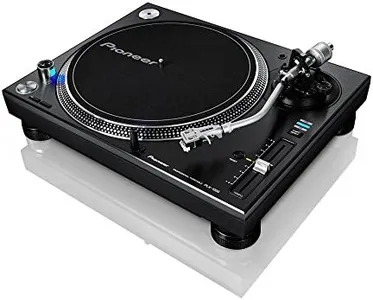
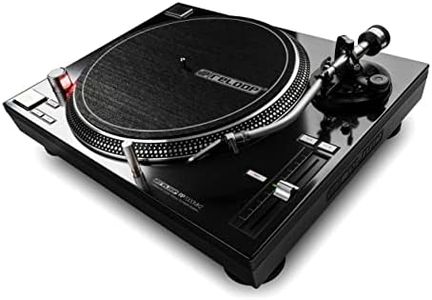
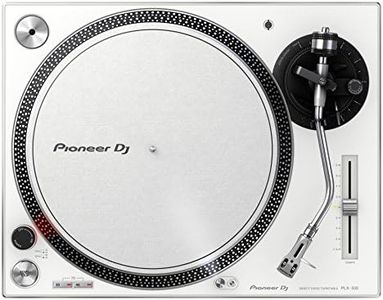
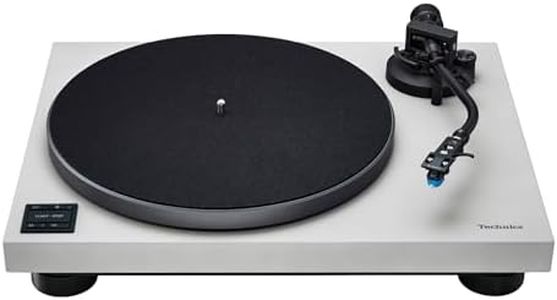
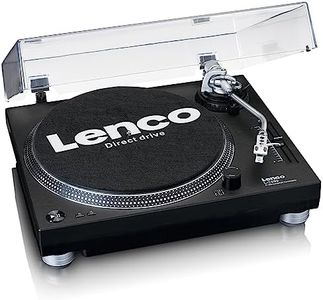
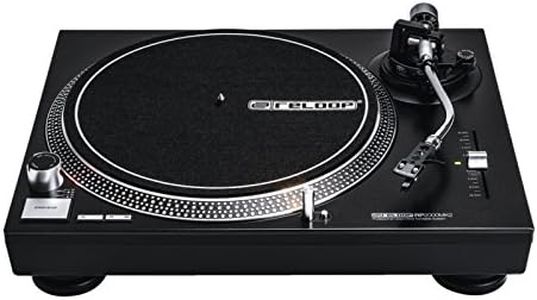


Buying Guide for the Best Direct Drive Turntables
Choosing the right direct-drive turntable is about matching your listening or DJ needs with the machine's features. Direct-drive turntables are especially popular for DJs and audiophiles because the motor directly spins the platter, offering better torque and quick start/stop times. When shopping for one, consider where and how you’ll use it—do you want it mainly for home listening, DJ performances, or archiving vinyl collections? Knowing your purpose helps you prioritize which features matter most for enjoyment, performance, or reliability.Motor TorqueMotor torque refers to how powerful the motor is at spinning the platter. Higher torque means the platter reaches full speed faster and holds speed better, which is crucial for activities like DJing, where quick start plays and consistent speed are necessary. Lower torque is enough for casual listening at home but might not be ideal for mixing or scratching. If you're a DJ or plan to manipulate records, go for higher torque; if you're just listening, standard torque levels are appropriate.
Wow and FlutterWow and flutter measure the stability of the turntable’s speed—basically, how consistent the playback pitch and tempo are. Lower values (usually below 0.2%) mean less speed variation and higher sound fidelity, important for audiophiles and those who want accurate playback. DJs might tolerate slightly higher values, but everyone benefits from a turntable with minimal wow and flutter. Pick lower wow and flutter if pristine sound quality is your top priority.
Platter Material and WeightThe platter is the spinning surface for your records, and its material and weight affect vibration, resonance, and speed stability. Heavier platters (often made of metal or composite materials) tend to absorb vibrations better and reduce unwanted noise, making them ideal for serious listening or recording. Lighter platters are okay for portability but may not offer the same performance. Choose heavier, well-damped platters for best sound and stability, especially for stationary setups.
Pitch Control and RangePitch control lets you adjust playback speed slightly for beatmatching or compensating for record inconsistencies, measured as a percentage range (+/-8%, for example). DJs need wider, more precise pitch control for mixing tracks, while casual listeners might never use this feature. If you’re planning to DJ or want to experiment with speeds, prioritize turntables with adjustable and sufficient pitch control; otherwise, it is less essential.
Start/Stop TimeThis is the amount of time it takes for the platter to reach full speed from stop and to come to a full stop. Fast start/stop times are important for DJing and cueing tracks quickly. Slower times are fine for regular listening. If your use involves performance or rapid play changes, look for models with faster start/stop times; otherwise, this is less crucial.
Tonearm TypeThe tonearm holds the cartridge and stylus. Straight tonearms are robust for scratching and DJ use, while S-shaped arms are more traditional and may provide better tracking for regular listening. Consider how you’ll use the turntable: DJs might prefer straight arms for durability, while home listeners often favor S-shaped arms for tracking ability and reducing record wear.
Cartridge and Stylus CompatibilityCartridges and styli (the needle) greatly affect sound quality and the kind of records you can play. Some turntables come with versatile, user-replaceable cartridges that suit both DJing and listening, while others favor high-fidelity options for purists. If you want to upgrade or swap cartridges, check for standard fitting. Make sure your turntable supports the type of listening or use you expect—DJs might want rugged options, while audiophiles may prefer higher-end stylus profiles.