10 Best Dirt Bike Boots
From leading brands and best sellers available on the web.By clicking on a link to a third party's website, log data is shared with that third party.
Related Products
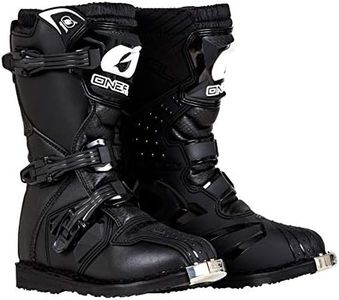
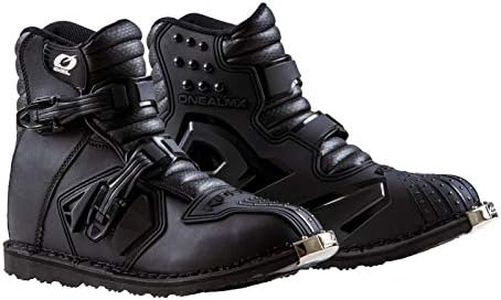
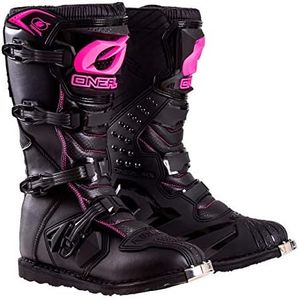
Buying Guide for the Best Dirt Bike Boots
Choosing dirt bike boots is about balancing protection, comfort, and control. Good boots not only shield your feet and lower legs from impacts, debris, and heat, but also help you control your bike better when riding on rough surfaces. When shopping for dirt bike boots, focus on features that match your riding style—whether that’s casual trail riding, motocross racing, or something in between. Trying the boots on or checking sizing details is important to ensure a safe and comfortable fit.Protection LevelProtection level describes how well the boots shield your feet, ankles, and lower legs from impacts, abrasions, and twisting injuries. Higher protection is crucial for more aggressive riding or racing, featuring reinforced plates, ankle support, and stronger materials. Lighter, less armored boots may feel more flexible and comfortable for casual trail rides but provide less crash protection. Pick a higher protection level if you often ride at high speeds, race, or tackle rocky and unpredictable terrain; select lighter, more flexible boots for relaxed or short trail rides.
Boot HeightBoot height refers to how far the boots reach up your leg—usually anywhere from mid-calf to just below the knee. Taller boots offer more coverage and protection, especially against brush, rocks, and bike parts, while shorter boots can be easier to walk in and feel less restrictive. If you’re riding fast, on rough terrain, or racing, go for taller boots. Shorter boots could suffice for easygoing trails or if you find taller boots uncomfortable.
Closure SystemThe closure system is how the boots are fastened and adjusted, usually using buckles, Velcro, or sometimes laces. Buckles are most common and provide a secure, customizable fit, while Velcro makes for easy on/off access but might wear out faster. Laces are rare and usually avoided because they can catch on the bike. When choosing, consider how easy it is to securely fasten the boots and adjust them to your comfort level—multiple adjustable buckles work well for most riders, ensuring both safety and fit.
Sole TypeSole type refers to the tread and stiffness of the boot’s bottom. Harder, stiffer soles give the best protection, especially for motocross and hard landings, while softer soles provide better grip and flexibility for walking or trail riding. Some boots have extra tread for off-road walking traction, while others are smoother for better contact with the bike’s pegs. If you walk a lot off the bike, look for grip and flexibility; if you prioritize protection and performance while riding, opt for stiff and sturdy soles.
Comfort and FitComfort and fit are all about how the boots feel on your feet and legs—important because rides often last hours. Boots that are too tight may cause numbness, while loose boots can reduce protection and control. When shopping, check for padding, a good insole, and adjustability. Try them on with your usual riding socks. Your riding style matters here: heavier racers may tolerate stiffer, more armored boots, while trail riders might choose comfort and flexibility over maximum security.
Ventilation and WaterproofingVentilation determines how well the boots breathe, keeping your feet cool and reducing sweat, while waterproofing keeps you dry in wet conditions. Heavily ventilated boots are best for hot, dry climates or summer riding; waterproof boots are good for rainy or muddy conditions. Some boots balance both with breathable but water-resistant materials. Decide based on where and when you’ll ride most often—choose more ventilation for heat, more waterproofing for rain and mud.