10 Best Dog Bark Control Collars
From leading brands and best sellers available on the web.By clicking on a link to a third party's website, log data is shared with that third party.
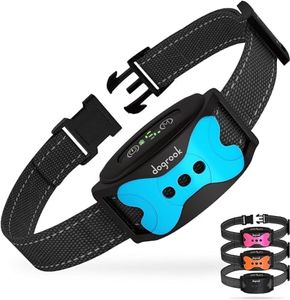
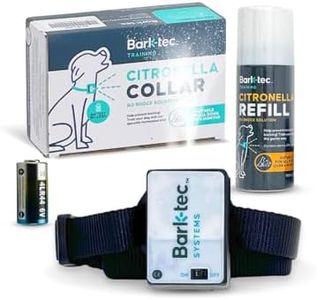
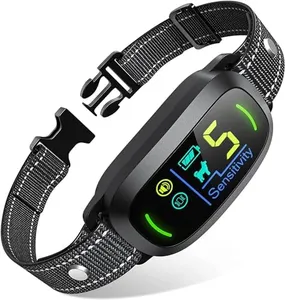

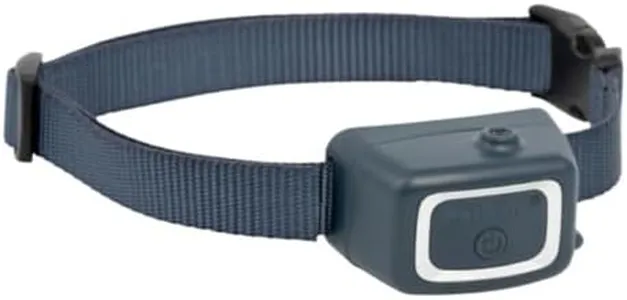
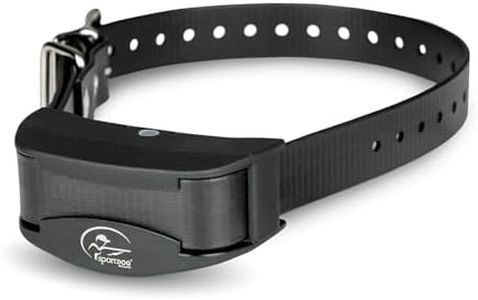
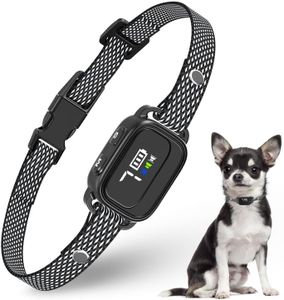

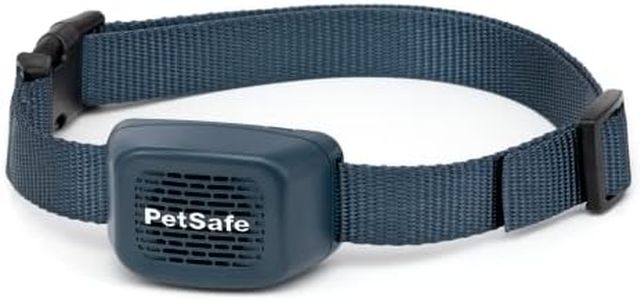
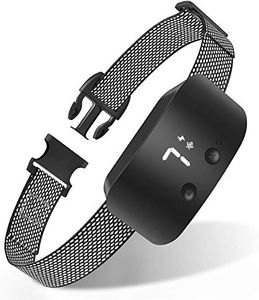
Buying Guide for the Best Dog Bark Control Collars
Choosing a dog bark control collar requires careful consideration of your dog's temperament, size, age, and your preferred training approach. Since these collars are training tools meant to reduce excessive barking, it's important to prioritize your pet's safety and well-being above all. Before selecting a collar, familiarize yourself with the types of feedback (like sound, vibration, spray, or static), and always think about your dog's comfort and response to different correction methods. Begin by assessing why your dog barks — sometimes addressing underlying causes is more effective than any collar. If you decide a bark control collar is right for you, understanding the main features and what suits your situation will help you make an informed choice.Type of CorrectionDog bark control collars come with different types of correction: sound (beep), vibration, spray (usually harmless citronella), or static stimulation. This spec determines how the collar responds to barking. Sound and vibration are milder, suitable for sensitive or small dogs, while spray is safe but may require more maintenance. Static correction is stronger and should only be used if gentler methods aren't effective. Consider your dog's sensitivity and previous training experience: timid or small dogs do better with sound or vibration, while persistent barkers might need static or spray correction.
Adjustability of SensitivityThe sensitivity setting controls how easily the collar is triggered by barking. Low-sensitivity collars may activate with minimal sound, while high-sensitivity models require louder or prolonged barking. If your dog barks softly or infrequently, look for a collar with low sensitivity. If your environment is noisy, or you have multiple dogs, higher sensitivity prevents the collar from reacting to other sounds or dogs barking. Adjustable sensitivity allows you to tailor the device to your dog's needs and surroundings.
Dog Size and Weight RangeCollars are designed for specific weight and neck size ranges. Using a collar not suited for your dog's size can be ineffective or unsafe. Light, small-breed collars deliver gentler feedback and fit small necks, while collars for larger breeds are constructed to withstand stronger corrections and fit larger necks. Always check the manufacturer's recommended size and weight: choose a collar that sits snugly but comfortably on your dog's neck.
Battery Life and Power SourceSome bark control collars use replaceable batteries, while others are rechargeable. Battery life determines how often you'll need to charge or change batteries. If you plan to use the collar regularly or for longer periods, opt for models with longer battery life or easy recharging. Rechargeable collars can be more convenient and eco-friendly, but always check charging times and how long one charge lasts to avoid the collar failing during use.
Water ResistanceWater resistance helps the collar withstand outdoor use and accidental splashes. Non-water-resistant collars are only suitable for indoor, dry environments. If your dog spends time outdoors, especially in damp climates or likes to swim, choose a water-resistant or waterproof collar. This ensures the collar functions properly regardless of weather or activity.
Safety FeaturesSafety features like automatic shut-off, false trigger prevention, and warning beeps before correction help protect your dog from over-correction. Automatic shut-off stops stimulation after a certain period, preventing excessive feedback from continuous barking. False trigger prevention detects your dog's unique bark, avoiding activation from other dogs or background noise. For sensitive or nervous dogs, these features add peace of mind and help make training humane.