We Use CookiesWe use cookies to enhance the security, performance,
functionality and for analytical and promotional activities. By continuing to browse this site you
are agreeing to our privacy policy
10 Best Dog Elizabethan Collar
From leading brands and best sellers available on the web.By clicking on a link to a third party's website, log data is shared with that third party.
Related Products


Buying Guide for the Best Dog Elizabethan Collar
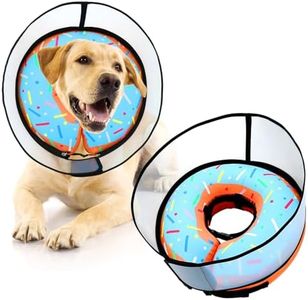
Choosing the right Elizabethan collar, often called an 'E-collar' or 'cone,' for your dog is important to ensure your pet feels comfortable while being prevented from licking or biting at healing wounds or surgical sites. The right collar helps protect your dog's health while minimizing stress during recovery. It’s important to pay attention to a few key features to make sure the cone works effectively and suits your dog’s lifestyle.Size and FitThe size and fit of an Elizabethan collar determine how well it stops your dog from reaching forbidden areas while ensuring comfort and ease of movement. Collars come in various sizes, often labeled by neck circumference or dog weight. Smaller collars are for tiny or toy breeds, while larger ones suit big breeds. When choosing, measure your dog’s neck and check the product guidance for neck size compatibility. Ideally, the collar extends just past your dog’s nose so they can’t reach healing spots, but not so long that it blocks eating or drinking. A secure but comfortable fit prevents your dog from slipping it off and makes the experience less stressful.
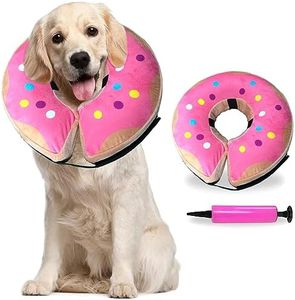
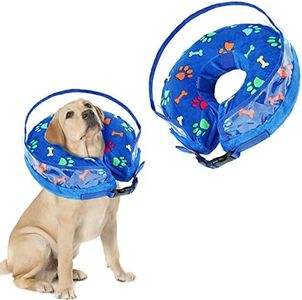
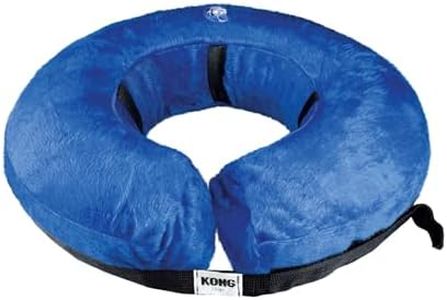
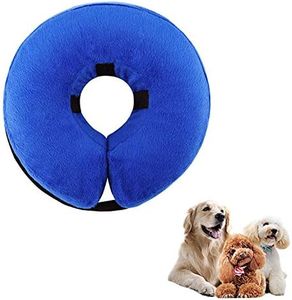
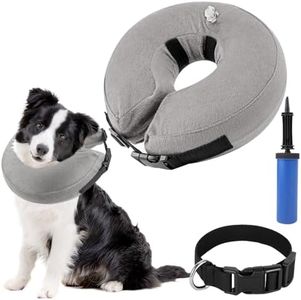
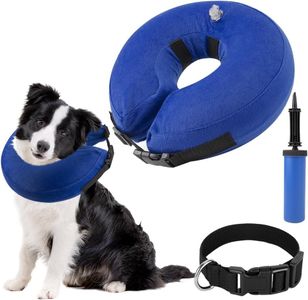
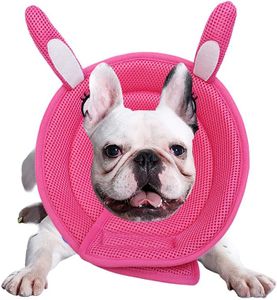
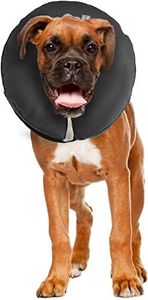
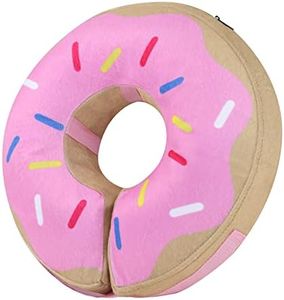
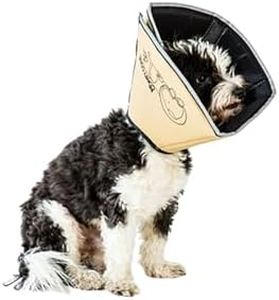
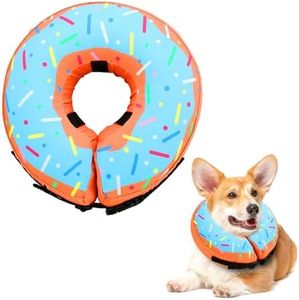
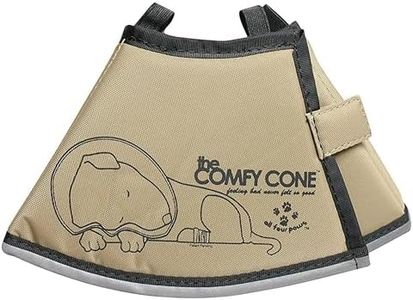
MaterialElizabethan collars are made from materials such as rigid plastic, soft fabric, or inflatable designs. Rigid plastic collars provide the most effective barrier, but they can be heavy and uncomfortable for sensitive dogs. Soft fabric varieties are lighter and gentler but may not work if your dog is very determined. Inflatable collars look like neck pillows and offer comfort, but they provide less protection for hard-to-reach areas. Choose material based on your dog's tolerance and behavior; less active or sensitive dogs may do better with soft or inflatable styles, while more active or persistent dogs may require the firmness of plastic.
AdjustabilityAdjustability refers to how well the collar can be customized to fit your dog's neck. Most collars have Velcro, snaps, or adjustable straps to help get a snug fit. Very adjustable collars are good for growing puppies or dogs between sizes, while fixed-size collars might work for dogs with standard neck sizes. A collar that adjusts easily but stays securely fastened is best, as a poor fit can lead to discomfort or the collar falling off. Consider how easy it is to put on and remove, as well; this can make a big difference in daily use and stress for both you and your dog.
Transparency and VisibilityThis spec is about how easily your dog can see and move around with the collar on. Clear plastic collars allow for better visibility, helping your pet adjust more quickly and reducing anxiety from feeling closed in. Opaque or dark-colored collars can make dogs more nervous or prone to bumping into things. For dogs who are already anxious or who will be wearing the collar for long periods, choosing a transparent or lightly tinted collar may help them see their surroundings better and avoid accidents.
Ease of CleaningAfter surgery or injury, hygiene is important, so an Elizabethan collar that's easy to clean is helpful. Hard plastic can be wiped down quickly, while fabric collars may absorb odors or stains and sometimes even require machine-washing. Inflatable collars often have removable covers that can be washed. Consider your willingness to clean the collar regularly and your dog's history with dirt and spills; if your dog is active outdoors or known to get dirty, an easily cleaned collar is most practical.