7 Best Dog Milk Replacers
From leading brands and best sellers available on the web.By clicking on a link to a third party's website, log data is shared with that third party.
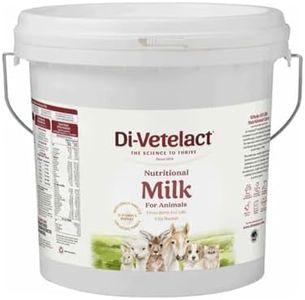
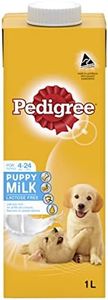
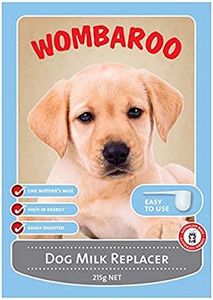
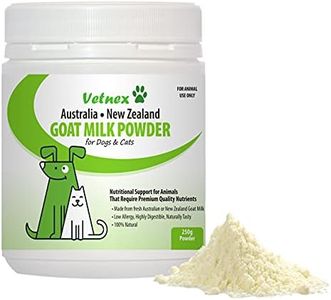
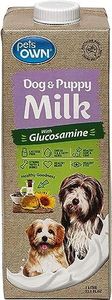
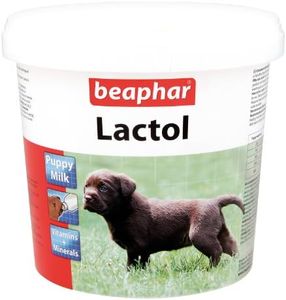
Buying Guide for the Best Dog Milk Replacers
Choosing the right dog milk replacer is essential for puppies who have lost their mother or for orphaned pups that cannot nurse naturally. It's important to find a product that closely mimics the nutritional content of a mother dog's milk, ensuring proper growth and healthy development. Understanding the main components and selecting based on your puppy’s specific needs will help you make the best choice.Nutritional ContentNutritional content refers to the balance of proteins, fats, carbohydrates, vitamins, and minerals in the milk replacer. This is crucial because puppies require a certain proportion of these nutrients to grow properly and develop strong immune systems. When looking at values, check that the replacer closely matches the natural composition of canine milk. Some replacers are richer in protein, while others may have higher fat to provide extra calories. For small or weak puppies, a slightly higher fat content might be helpful, but for most healthy puppies, a balanced formula is best.
DigestibilityDigestibility indicates how easily puppies can break down and absorb the nutrients in the replacer. A high digestibility means less risk of upset stomach or diarrhea. Different products use different protein and fat sources—look for ones that specify 'easily digestible' or use ingredients like milk proteins rather than plant-based ones. If your puppy has had tummy troubles in the past or you’re caring for a sensitive breed, opt for a formula emphasized for gentle digestion.
Source of Proteins and FatsThe protein and fat sources in milk replacers should ideally come from animal-based ingredients similar to real dog milk, like whey or casein for protein and animal fats. Plant-based ingredients can be harder for puppies to digest and may not provide optimal nutrition. Read the label to check where these nutrients are coming from. Choose animal-sourced proteins and fats, especially for very young or newborn puppies, to mimic natural milk as closely as possible.
Added Vitamins and MineralsAdded vitamins and minerals ensure that puppies get all the micronutrients they need, since not all are present in standard milk powders. Look for key additions like calcium, phosphorus, DHA, and vitamin E, which are essential for bone, brain, and immune development. If your puppy is very small or from a breed with special needs, check with your vet on which additives are crucial for your case.
Mixing and ConvenienceMixing convenience refers to how easily the milk replacer powder dissolves in water and whether it creates a smooth, lump-free formula. Some replacers need warm water or can clump if not stirred well. If you're making bottles several times a day, a formula that mixes quickly and easily—without residue—will save time and ensure consistent feeding. For busy caretakers or those new to puppy care, an easy-mix replacer is usually best.
Feeding Instructions and Age SuitabilityFeeding instructions and age suitability indicate how the replacer should be given and what stages of puppy development it's meant for. Some formulas are tailored for newborns under four weeks, while others can support weaning and older puppies. Always check the recommended age and follow portion guidelines carefully to prevent under- or over-feeding. Pick a replacer designed for your puppy's stage: younger pups need a richer, more complete formula, while older ones can transition to less specialized products.