10 Best Dog Proof Litter Box
From leading brands and best sellers available on the web.By clicking on a link to a third party's website, log data is shared with that third party.
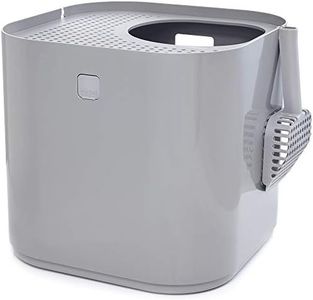
Related Products
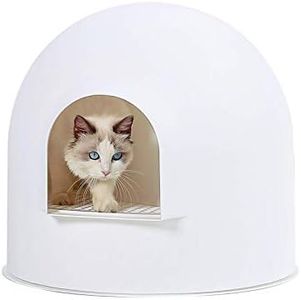
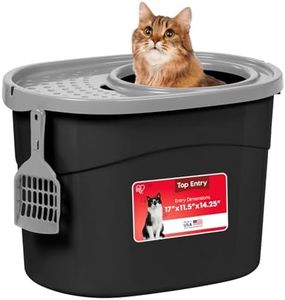
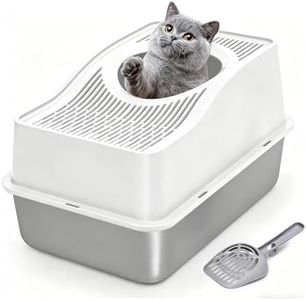
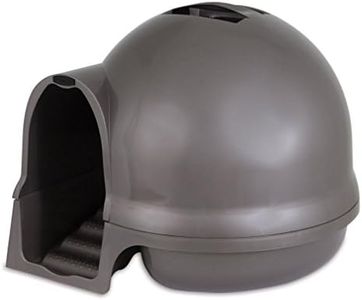
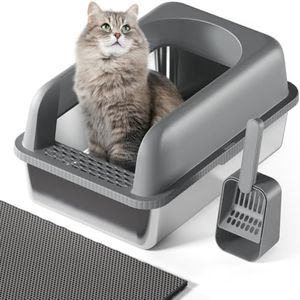
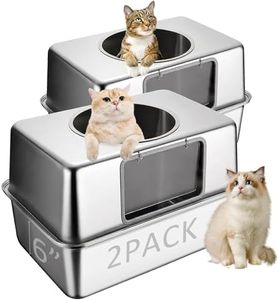
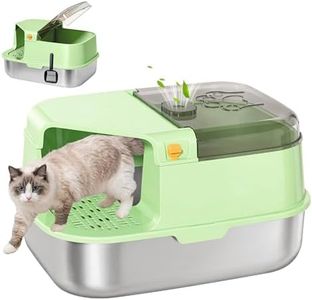
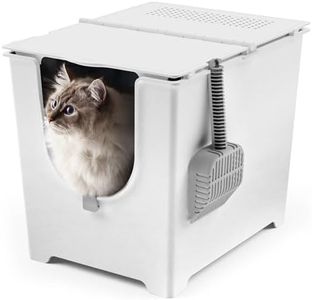
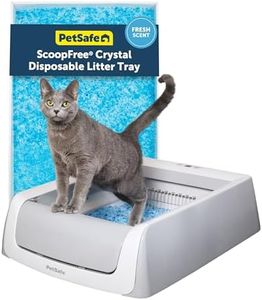
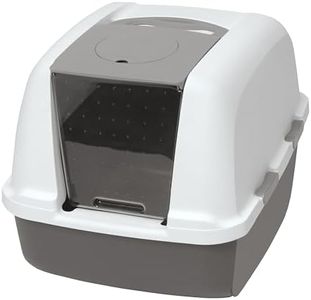
Buying Guide for the Best Dog Proof Litter Box
Choosing a dog-proof litter box is all about keeping your cat comfortable while preventing your dog from accessing the litter. It's essential to balance the needs of your cat with the behavior and size of your dog. Consider your living space, your cat’s habits, and how determined your dog is, as some dogs are more curious or motivated than others. Start by researching the main features and think about how each one would work in your home with your pets’ personalities.Entry DesignEntry design refers to the way your cat gets into the litter box—either from the top, side, or through a doorway. This is very important because an entry that's difficult for dogs to reach keeps them out, but still needs to be comfortable for your cat. Top-entry boxes are usually the most dog-proof, as dogs have a harder time climbing in, but some cats (especially older or less agile ones) may not like them. Side-entry or covered designs can work well for larger cats or cats that don't jump much, just make sure the opening is too small or positioned in a way that dogs can't fit their heads through.
Size and DimensionsThe size and height of the litter box play a big role in dog-proofing. Taller, higher-sided boxes or boxes with narrow openings make it much tougher for dogs to reach the litter, but your cat still needs enough space to comfortably enter, turn around, and dig. If you have a big dog, look for a box with high sides or a smaller, cat-sized opening. If your cat is large or senior, make sure the box isn’t too hard for them to access while still keeping your dog out.
Lid and Cover MechanismA lid or cover can add another layer of protection against dogs. Some litter boxes come with secure, locking lids or special entry points that only allow cats through. This is important because a determined dog can remove a loose-fitting lid. Choose a box with a strong, snug-fitting cover if your dog is persistent, but make sure it doesn’t trap odors or make it too dark or cramped for your cat.
Material and DurabilityThe sturdiness and quality of the litter box matter when you have a dog that might try to paw, bite, or knock over the box. Look for boxes made of thick, high-quality plastic or even metal so they don’t tip over or break easily. This is important for dog owners because a flimsy box won't stand up to a curious or energetic dog.
Odor Control FeaturesOdor control features like charcoal filters, odor-fighting lids, or special liners can help keep smells down, which may make the box less enticing to dogs. These are useful because, often, dogs are attracted to litter boxes by scent. If your dog is motivated by smell, pick a box with good odor containment to help discourage investigation.
Ease of CleaningHaving a dog-proof litter box shouldn't make cleaning a hassle. Some designs are easy to disassemble, have removable lids, or include pull-out trays. This is important because you’ll need to reach all parts of the box to clean it thoroughly, and a box that’s too awkward to clean could lead to odors and unhappy pets. Choose a model that suits your cleaning preferences while still keeping your dog out.