10 Best Downrigger Fishing
From leading brands and best sellers available on the web.By clicking on a link to a third party's website, log data is shared with that third party.
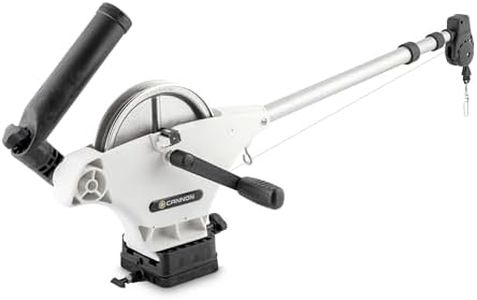
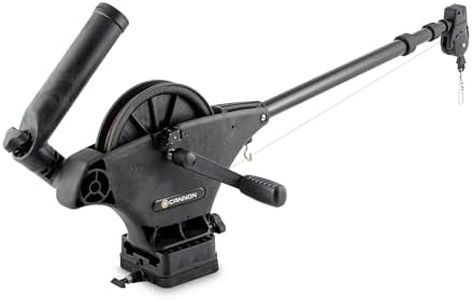
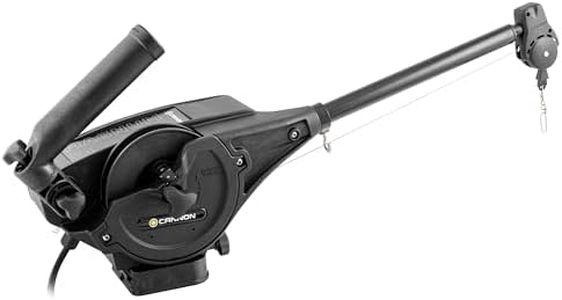
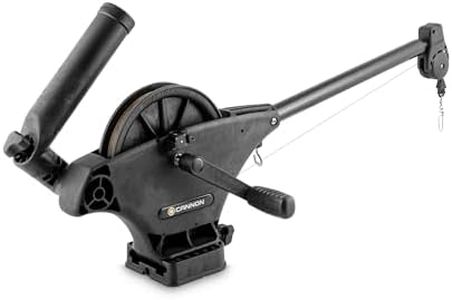
Related Products
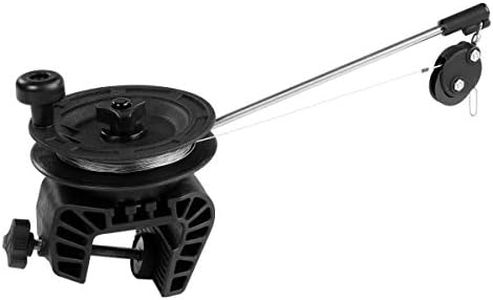
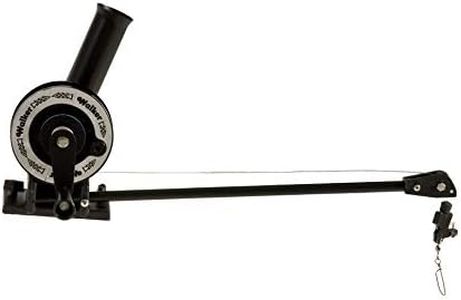



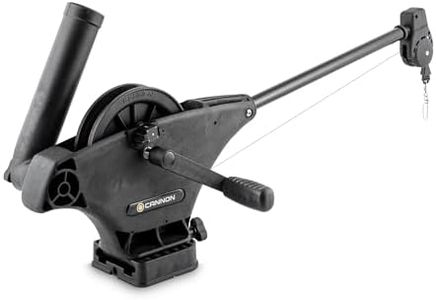
Buying Guide for the Best Downrigger Fishing
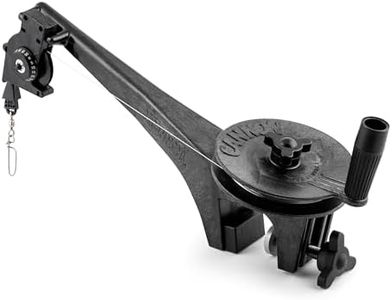
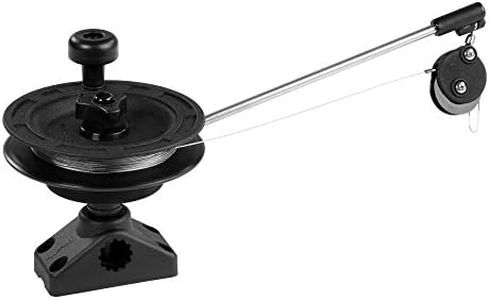
Choosing the right downrigger for fishing is key to optimizing your time and results on the water. A downrigger is a device used to set your fishing lines to specific depths by using a weighted cable, which is very useful when targeting fish that swim deeper than your lures normally reach. Your choice should reflect how and where you intend to fish, the size and type of your boat, and your comfort level with different controls and adjustments. By understanding key features and how they impact usage, you can find a downrigger that simplifies your experience and improves your catch rate.Control Type (Manual or Electric)Control type refers to how you operate the downrigger, either by turning a handle yourself (manual) or pushing a button (electric). Manual downriggers are simpler, usually lighter, and require you to wind the cable by hand, which can be more effort but means fewer things can break down. Electric downriggers use a motor to raise and lower the weight, making them much easier and faster to use, especially if you need to make frequent depth changes or fish in deep waters. If you mainly fish for short periods or in shallow lakes, a manual may suit you fine. For long sessions, deeper fishing, or if you want less physical work, electric is the way to go.
Boom LengthThe boom is the horizontal arm that extends out from the mount, holding the cable and weight away from your boat. A shorter boom (about 24-30 inches) is more compact and works well for small boats or when space is tight. Longer booms (up to 48-60 inches or more) keep the cable and line away from the boat’s wake and are better for bigger boats or if you want to run multiple lines without tangling. Choose a boom length based on your boat size and how far from the boat you want your line to run.
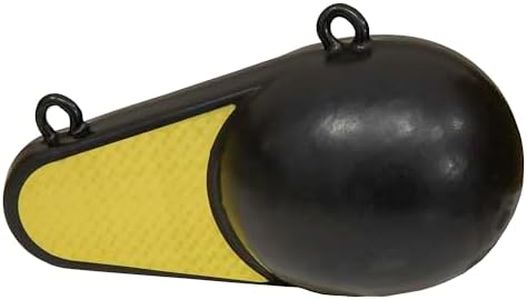
Line Capacity and Weight LimitLine capacity means how much cable (and what weight) the downrigger can handle. More capacity is needed for fishing very deep waters, as you need more cable to reach big depths. Weight limit tells you how heavy a downrigger weight (the ball that keeps your lure down) it can safely manage. A heavier weight gets your line to deeper depths and stays steadier in currents but needs a downrigger built to handle it. Decide based on how deep you want to fish and the typical water conditions.
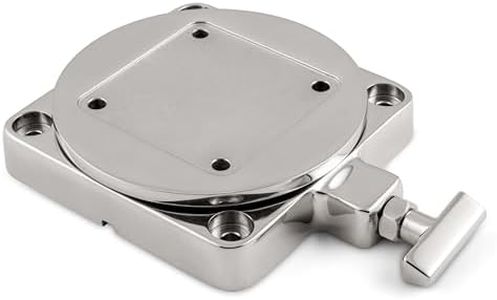
Mounting OptionsDownriggers can be mounted in different ways, such as on a flat base, a gimball mount, or clamp-on. Your boat’s size, rail design, and available space will guide what mounting system you need. Some mounts are more permanent, while others let you remove the downrigger for storage. Consider how much space you have and how often you’ll need to remove or reposition your downrigger.
Ease of Adjustment and Release MechanismsThis covers how simply you can change the depth of your lure, release the fishing line when you have a bite, and retrieve the weight from the water. Some downriggers have smooth-operating controls and line counters for precise depth settings, while others offer simpler, more hands-on mechanisms. If you value speed and convenience, look for downriggers with easy-to-use controls and accurate release systems. If you prefer a more basic setup, a simpler release and adjustment system may suffice.
Durability and Corrosion ResistanceBecause downriggers are exposed to wet, often salty environments, you want them made from strong, rust-resistant materials like stainless steel, aluminum, or high-quality plastics. Plastic can be fine for smaller freshwater use, while saltwater or heavy-duty applications call for tougher metal builds. Think about where you’ll fish most and choose a model built to handle those conditions over the long term.