10 Best Drip Irrigation Systems
From leading brands and best sellers available on the web.By clicking on a link to a third party's website, log data is shared with that third party.

Related Products

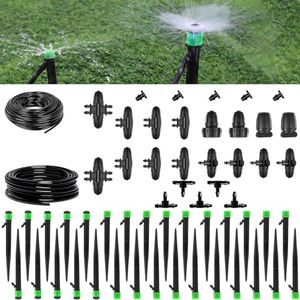
Buying Guide for the Best Drip Irrigation Systems
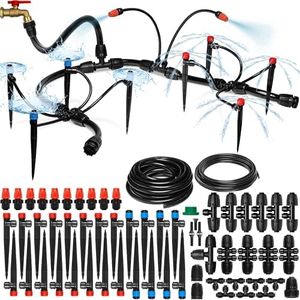
Choosing the right drip irrigation system can make watering your garden, plants, or crops much more efficient and effective. Drip irrigation delivers water directly to the roots, which saves water and promotes healthy growth. When picking a system, it's essential to think about the size of the area you need to water, the types of plants you have, your water pressure, and how much customization you need. Understanding the main features and specifications will help you match a system to your garden’s specific needs for the best results.Flow RateFlow rate refers to how much water is delivered through the drip system over a certain period, usually measured in gallons or liters per hour. This is important because different plants and soils require different amounts of water. Drip systems come with various flow rate options, from low (good for delicate plants or small pots) to high (best for large vegetable beds or thirsty plants). When picking a flow rate, consider how much water your plants need and how quickly your soil absorbs water; sandy soil may need slower rates while clay can handle more gradual watering.
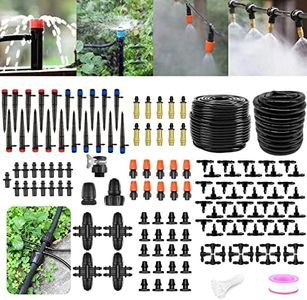
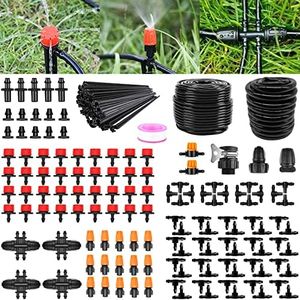
Emitter TypeEmitters are the parts of the system that release water to your plants. There are adjustable emitters (which let you control the flow at each spot) and fixed emitters (with a set flow). Adjustable emitters are great if you have a mix of plants with different needs, while fixed ones suit gardens with similar plant types. Your choice depends on how varied your garden is—if all your plants need the same amount of water, fixed works, but if you want more flexibility, go adjustable.
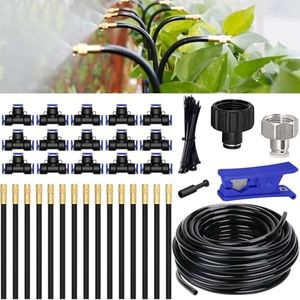
Tubing SizeTubing size is about the diameter of the tubes that carry water throughout your system. Common sizes are 1/4 inch for distributing to specific pots or small beds and 1/2 inch or larger for main lines in bigger gardens. Larger tubing can carry water over longer distances without losing pressure, while smaller tubing is more flexible for precise setups. Choose tubing size based on how large your area is and how far water needs to travel—use larger tubes for main lines and smaller ones for individual plants or pots.
Pressure RegulationPressure regulators make sure the water pressure doesn’t get too high and damage your system or release more water than intended. Some systems come with built-in regulators, while others require you to add one. High water pressure can cause leaks or breakage, especially in drip systems designed for low flow. If your water source is from a home tap or has high pressure, look for a system or add-on that includes pressure regulation to keep everything running smoothly.
FiltrationFiltration systems prevent debris, dirt, or mineral buildup from clogging the tiny openings in drip emitters. All drip irrigation systems should have some form of filter, especially if you're using water from a well or untreated source. Filters come in different mesh sizes—for generally clean tap water, a basic filter is fine, while for dirtier water, a finer or larger filter might be necessary. Pick a filtration system that matches your water quality to avoid costly clogs and ensure worry-free watering.
ExpandabilityExpandability refers to how easily you can add more tubing and emitters if your garden grows or your needs change. Some kits and systems are modular, making it easy to extend lines, while others are more fixed in their design. If you might want to add more plants or extend watering to new areas in the future, look for a system that advertises easy expandability. This gives you flexibility and saves money down the line.
Timer CompatibilityA timer automates watering schedules and ensures your plants get watered at the right times, even if you’re away. Not all drip systems come with timers, but most can connect to one. If you want set-and-forget convenience or have a busy schedule, make sure to choose a system that’s compatible with a timer, or that one can be easily added.