We Use CookiesWe use cookies to enhance the security, performance,
functionality and for analytical and promotional activities. By continuing to browse this site you
are agreeing to our privacy policy
10 Best Dripless Caulk Guns
From leading brands and best sellers available on the web.By clicking on a link to a third party's website, log data is shared with that third party.
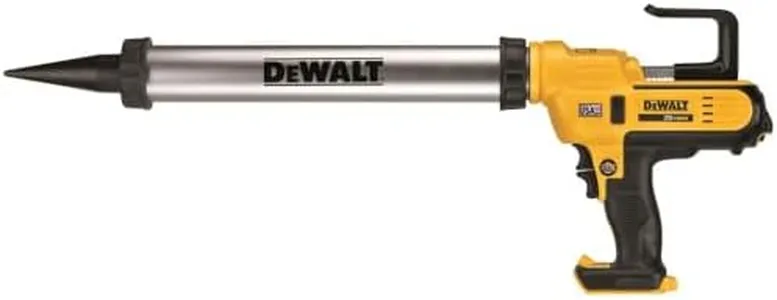
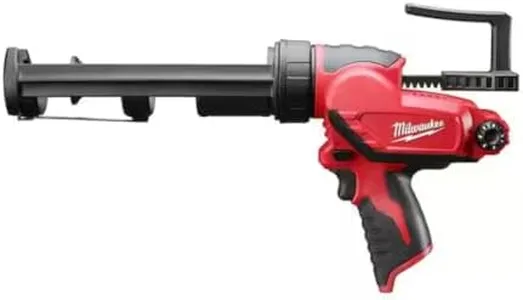
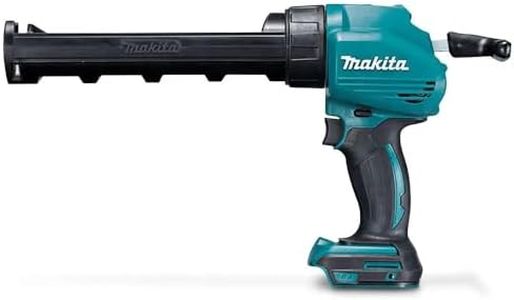
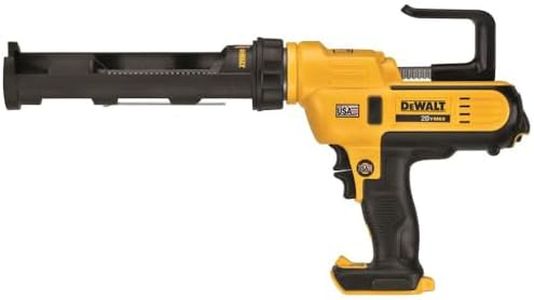
Related Products
Up to 9% off

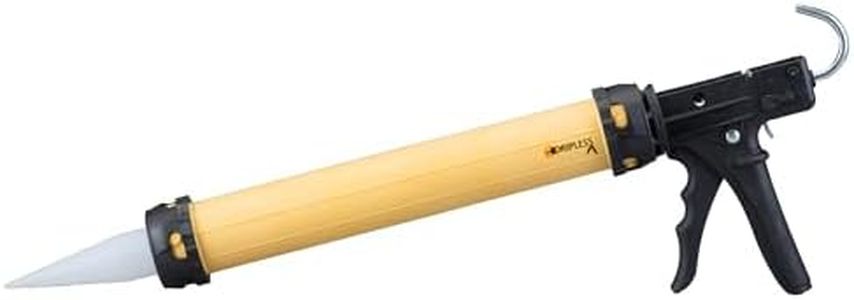
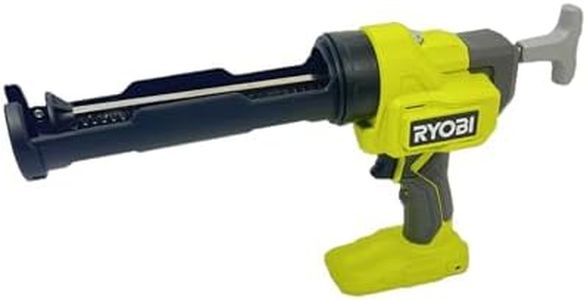
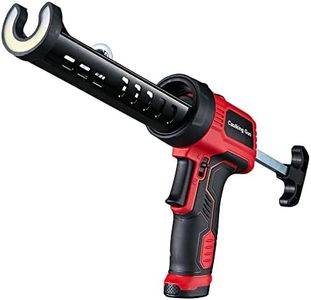
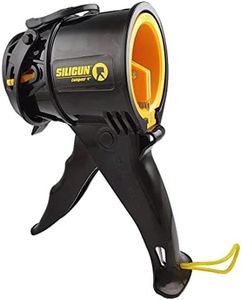
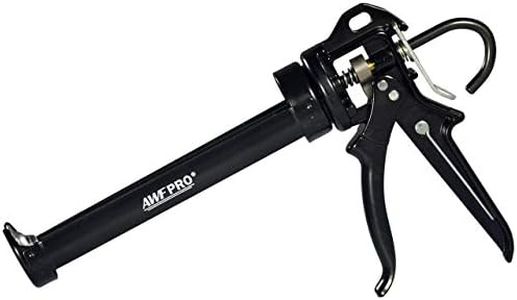
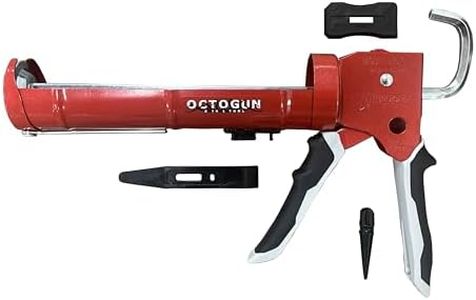
Buying Guide for the Best Dripless Caulk Guns
Choosing the right dripless caulk gun can make sealing, repairing, or finishing work much easier and cleaner. A dripless caulk gun helps prevent excess caulk from oozing out after you release the trigger, saving you cleanup time and reducing waste. Before purchasing, consider where and how often you’ll be using the gun, and the types of caulk you plan to apply. Pay attention to the main features and specifications, as these will directly affect your user experience.Thrust RatioThe thrust ratio refers to the force applied to the caulk tube by squeezing the trigger. It's important because it determines how easily you can dispense thick or thin materials. Low thrust ratios (around 5:1 to 7:1) are suitable for thin, less viscous caulks like latex, whereas high thrust ratios (over 10:1) are better for thicker materials such as adhesives or silicone. If your projects often involve dense substances or outdoor conditions, you’ll want a higher thrust ratio; lighter jobs require less.
Frame TypeFrame type describes the way the caulk tube is held in the gun. The two main types are open frame (skeleton) and closed frame (solid or cradle). Open frames are lighter and make tube changes faster, suitable for frequent use and standard repairs. Closed or cradle frames provide more support, especially for larger or bulkier tubes, often used in heavier-duty applications. Consider which feels more comfortable and practical for your main uses.
Dripless MechanismThe dripless mechanism automatically stops the flow of caulk when you release the trigger, preventing messes. This is crucial if you’re working in environments where cleanliness matters or if you want to minimize waste. Some mechanisms release pressure instantly, while others manage it more gently. If you’ll be stopping and starting frequently, a well-designed dripless feature is essential.
Barrel SizeBarrel size refers to the size of tube the gun can accommodate. The most common is for standard 10-ounce tubes, but larger or smaller barrels exist for professional or specialty use. If you’re handling big projects or prefer less frequent tube changes, a larger barrel might be helpful. For simple, occasional tasks, standard size is usually enough.
Construction MaterialConstruction material relates to the build of the gun, often steel, aluminum, or plastic. Metal guns are more durable and suitable for frequent or heavy-duty jobs, but they might be heavier. Plastic guns are lighter and ideal for light, occasional work. If durability is a priority or your projects are demanding, look for sturdier materials.
Trigger Comfort and GripTrigger comfort and grip deals with how easy and pleasant the caulk gun is to handle for extended periods. A cushioned or ergonomic handle helps reduce fatigue, especially during large tasks. If you anticipate working for long sessions or have hand strength concerns, prioritize guns with a soft or shaped trigger.
Accessory FeaturesAccessory features can include built-in puncture rods, seal cutters, or rotating barrels. These extras make preparing and using the gun easier and more convenient. Features like a rotating barrel allow better control around corners; puncture rods and seal cutters speed up starting a new tube. Pick features based on the complexity of your projects and how much convenience matters to you.