8 Best Driveway Concrete Sealers
From leading brands and best sellers available on the web.By clicking on a link to a third party's website, log data is shared with that third party.
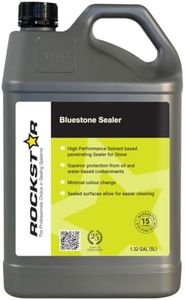
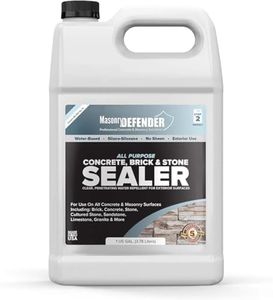
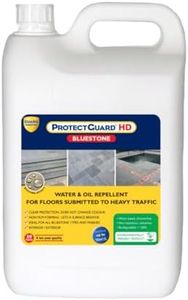
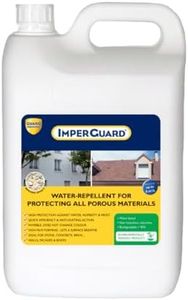

Buying Guide for the Best Driveway Concrete Sealers
Choosing the right driveway concrete sealer is all about protecting your driveway from weather, stains, and future cracking, while giving it the finish you want. To get the best results, it helps to understand what different sealers offer and what features matter most for your situation. By learning about these key specs, you can match your choice to the climate in your area, the look you prefer, and how much maintenance you're willing to do.Sealer TypeSealer type refers to the main chemical makeup of the product and how it interacts with concrete. The two most common kinds for driveways are film-forming (like acrylic or epoxy) and penetrating sealers (like silane/siloxane). Film-forming sealers sit on top of the concrete, creating a protective layer and often giving a glossy or wet look. Penetrating sealers soak into the pores of the concrete, forming a barrier within that repels water and deicing chemicals without altering the appearance much. If you want a natural look and minimal change in surface texture, go for a penetrating sealer. If you like a shiny or colored finish, film-forming options are best. Your environment and desired look help guide this choice.
Finish (Appearance)The finish refers to how your driveway will look after applying the sealer. Options range from natural/matte (which keeps the original look) to glossy/wet look (which enhances color and shine). Choose matte if you prefer a subtle, less-slippery surface or if your driveway already looks great. Opt for glossy if you want to bring out concrete colors, highlight aggregate, or simply like a shinier appearance. Consider your home’s style, personal taste, and if the surface could get slippery when wet.
Durability/LongevityDurability or longevity describes how long the sealer will last before needing reapplication and how well it protects against wear, weather, and chemicals. Some sealers may last only 1–3 years, while others can protect for 5 years or more. If you want less frequent maintenance, look for longer-lasting penetrating sealers. In high-traffic or harsh weather areas, more durable products are wise. Think about how often you’re willing to reseal and how demanding your climate is.
Application MethodApplication method explains how the sealer is put on the driveway: typically by roller, brush, or sprayer. Some formulas are easier to apply and suitable for DIY homeowners, while others might need professional equipment for even results. If you’re planning to do it yourself, look for products labeled as DIY-friendly or that come with clear directions for rollers or basic sprayers. If you have a large area or prefer pro results, you might choose a product suitable for professional-grade sprayers.
Weather ResistanceWeather resistance indicates a sealer's ability to protect against rain, snow, sunlight (UV rays), freeze-thaw cycles, and deicing salts. In colder climates, pick a sealer that blocks salt and repels water to prevent freeze damage. In sunny regions, UV protection is important to avoid fading and degradation. Think about your local climate and what your driveway faces most, and go for a sealer tailored to those threats.
Drying and Cure TimeDrying and cure time means how quickly the driveway is safe to walk or drive on after application. Some sealers dry in a few hours, while others take a day or more to fully cure. If minimizing downtime is important—like if you need access to your driveway soon—choose a faster-drying product. Always check the full cure time too, especially if heavy vehicles or harsh weather are expected.
Slip ResistanceSlip resistance describes how slick the driveway becomes after sealing. Glossy or film-forming sealers can sometimes make surfaces slippery, especially when wet. If safety is a concern—such as for sloped drives or for families with kids—look for a sealer that is labeled as slip-resistant, or be ready to add a non-slip additive to the final coat.