10 Best Dry Cat Food
From leading brands and best sellers available on the web.By clicking on a link to a third party's website, log data is shared with that third party.
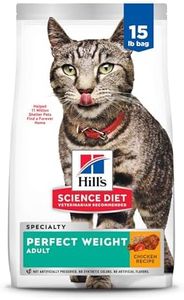
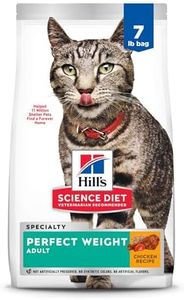
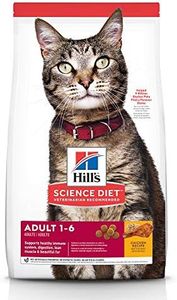
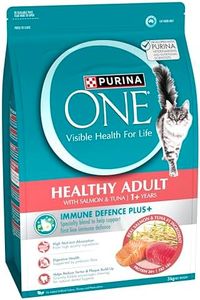
Related Products
Up to 38% off
Buying Guide for the Best Dry Cat Food
Choosing the right dry cat food is essential for your cat's health and well-being. While the market offers a vast range of options, focusing on a few important factors can help you make the best choice for your feline friend. You’ll want to consider your cat’s age, health status, activity level, and any dietary sensitivities. Reading the ingredient list and understanding nutritional content are critical so your cat gets the balanced nutrition it needs. Always introduce any new food gradually to avoid upsetting your cat’s digestive system, and consult your vet if you have concerns about your cat's dietary needs.Protein ContentProtein is a core part of a cat's diet, as cats are obligate carnivores and need animal-based proteins for strength and energy. Dry cat foods list protein as a percentage; typically, you’ll see values ranging from 28% to over 40%. Lower protein levels might be suitable for senior cats or those with certain health conditions. Middle-range protein is usually good for average adult cats, and higher protein is often marketed for active or young cats. Choose based on your cat’s age, activity, and health—growing kittens and energetic cats benefit from more protein, while older or less active cats may do better with moderate amounts.
Fat ContentFat provides energy and helps keep your cat’s coat glossy and skin healthy. Dry foods generally contain between 8% and 20% fat. Higher fat content is beneficial for kittens, nursing mothers, or very active cats, who need the extra energy. Adult indoor cats with a more sedentary lifestyle often fare better with food on the lower end of the fat spectrum. Look at your cat's age, lifestyle, and body condition to determine how much fat is appropriate.
Carbohydrate LevelCats do not require carbohydrates in high amounts, but many dry foods contain carbs as fillers. Foods with a high carbohydrate percentage can lead to unnecessary weight gain. Labels don’t always state carb content directly; you can estimate it by subtracting protein, fat, moisture, fiber, and ash from 100%. If your cat is prone to obesity or diabetes, select food with lower carbohydrate levels. Otherwise, a moderate amount is generally fine for healthy adult cats.
Ingredient QualityThe ingredient list reveals the true quality of cat food. Look for foods with real meat, poultry, or fish listed as the first ingredient. Avoid foods that list excessive by-products, fillers like corn or soy, and artificial additives. Cats with food sensitivities may need foods with novel protein sources or limited ingredients. If your cat has particular health concerns or allergies, prioritize ingredient quality more heavily.
Life Stage AppropriatenessCats have different nutritional needs based on their life stage—kitten, adult, or senior. Kittens need more protein and fat for growth, while senior cats may need more fiber or specific nutrients to support aging bodies. Most dry foods are labeled for life stage, so choose one that matches your cat’s current phase. Using the right formula ensures your cat gets optimal nutrition for health and development.
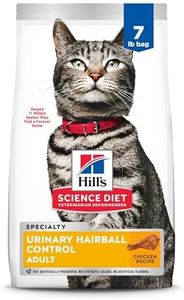
Special Diets and FormulasSome dry cat foods are designed for specific health conditions like urinary health, hairball control, or weight management. These formulas usually include certain minerals or fiber blends tailored to those issues. If your vet has suggested a special diet, focus on foods that offer those specific benefits. Otherwise, stick to a well-balanced, standard formula for general health.
Kibble Size and ShapeThe size and shape of the dry food can influence ease of eating and dental health, especially for kittens or senior cats with dental issues. Smaller kibble is easier for kittens and cats with sensitive teeth, while larger pieces may help with tartar control in healthy adults. Observe your cat's eating habits to decide what size and shape work best.
Preservation and FreshnessDry cat food uses preservatives to remain shelf-stable, but the quality of these preservatives matters. Natural preservatives like Vitamin E (often listed as mixed tocopherols) and Vitamin C are preferable over artificial ones. Proper storage—keeping food in an airtight container in a cool, dry place—also helps preserve freshness, which is important to maintain flavor and nutritional value.