10 Best Dry Puppy Foods
From leading brands and best sellers available on the web.By clicking on a link to a third party's website, log data is shared with that third party.
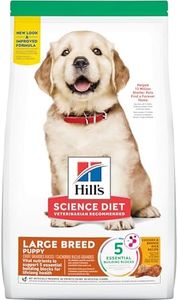
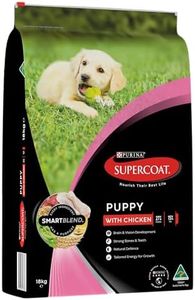
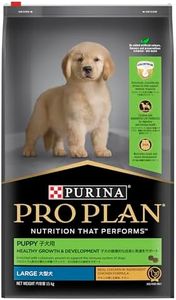

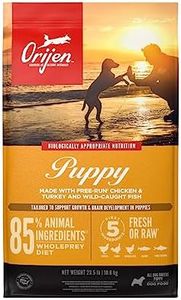
Related Products
Up to 16% off
Buying Guide for the Best Dry Puppy Foods
Choosing the best dry puppy food is a key step to ensuring your young dog grows up healthy and strong. Puppies have different nutritional needs than adult dogs, so it’s crucial to look for foods specifically tailored for their age and growth stage. Focus on the basic nutritional information, the physical form of the food, and any special health considerations your puppy may have. Remember, your puppy’s breed, size, and overall health play a big role in finding the right fit.Protein ContentProtein is the building block for your puppy’s muscles and overall development. For puppies, high protein is especially important to support their rapid growth. Generally, dry puppy food will range from about 22% to over 30% protein. Small-breed, very active, or large-breed puppies may have slightly different ideal ranges, but most puppies do well with a protein content in the higher end of this spectrum. If your puppy is very active or of a working breed, aim for the higher percentages. If your puppy has a sensitive stomach, a moderate protein level might be better.
Fat ContentFat provides essential energy for puppies and aids in the absorption of vitamins. Dry puppy foods usually have fat content from around 8% up to 20%. Lower fat options may suit puppies that are less active or are at risk for becoming overweight, while more energetic puppies or those in colder climates may benefit from a higher fat proportion. Selecting the right fat content depends on your puppy’s activity level and breed size.
Calcium and Phosphorus RatioThese minerals are crucial for bone growth and development, and the right balance prevents skeletal issues, especially in large-breed puppies. A proper ratio (usually around 1:1 to 1.5:1 calcium to phosphorus) is essential. If you have a large or giant breed puppy, opt for foods that specifically highlight a controlled and balanced calcium and phosphorus ratio. For smaller breeds, standard puppy formulas typically suffice.
Kibble Size and TexturePuppy kibble is designed to be smaller and softer than adult kibble to suit little mouths and developing teeth. The ideal kibble size depends on your puppy’s breed and jaw strength. For toy or small breeds, look for tiny, easy-to-chew pieces. Larger breed puppies can handle bigger kibble but should still find it easy to eat. Selecting the appropriate kibble size helps your puppy enjoy meals and promotes dental health.
Ingredient QualityThe ingredients list tells you about the quality and types of nutrients in the food. High-quality puppy foods typically begin with animal proteins as the first ingredient and avoid unnecessary fillers like excessive corn or artificial additives. If your puppy shows signs of food allergies or sensitivities, be aware of common triggers (such as certain grains or chicken). For most puppies, look for foods with real meat, whole grains, and added vegetables and fruits.
Added Nutrients and SupplementsMany puppy foods are enhanced with extra nutrients like DHA for brain development, antioxidants for immune health, and probiotics for digestion. While these are beneficial for all puppies, they are especially helpful for puppies prone to digestive issues or whose breeds are known for sensitive stomachs. Check the packaging for mention of these extra benefits if you want targeted support.