10 Best Drywall Repair Kits
From leading brands and best sellers available on the web.By clicking on a link to a third party's website, log data is shared with that third party.

Related Products
Up to 8% off

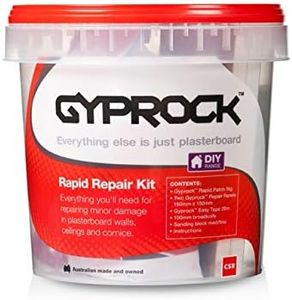
Buying Guide for the Best Drywall Repair Kits
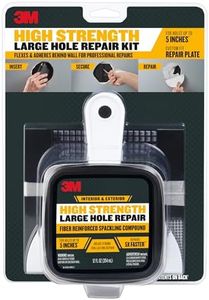
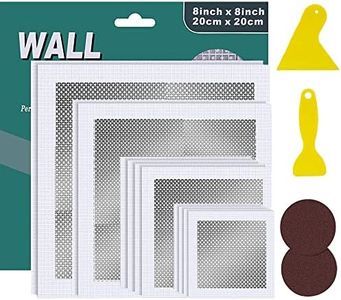
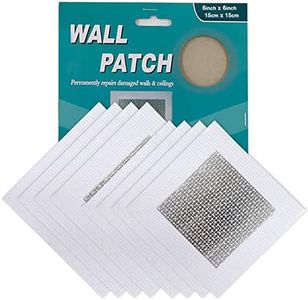
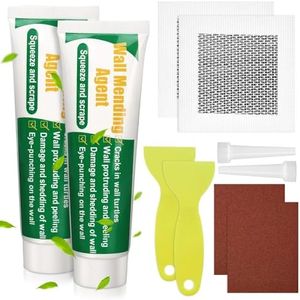
When choosing a drywall repair kit, it's important to consider the type and size of the damage you're fixing, as well as your own skill level and the finish you want to achieve. Drywall repair kits are designed to simplify the process of patching holes, cracks, and dents in walls, making them accessible even to beginners. To pick the right kit, you'll want to understand what's included, how easy it is to use, and whether it matches the scope of your repair job.Patch Size & MaterialThe patch is the main component for covering holes in your drywall. Patch size tells you how big a hole you can repair with the kit. Patches can range from small for nail holes to large for bigger gaps. Materials can include metal mesh or fiberglass; metal adds strength for larger holes, while fiberglass is lighter and easier for small repairs. Choose a kit with a patch size and material that matches the damage—small patches for minor dings, larger and sturdier patches for more significant holes.
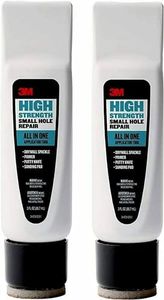
Type of CompoundThe compound is the filler that helps create a smooth surface over the patch. You'll find pre-mixed compounds (ready to use out of the container) and setting-type compounds (a powder you mix with water). Pre-mixed options are easier for small repairs and beginners because there's no mixing involved, while setting compounds dry harder and faster, which is useful for larger repairs or if you're on a tight timeline. Pick a compound type that matches your comfort level and the size of the repair.
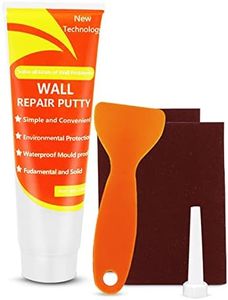
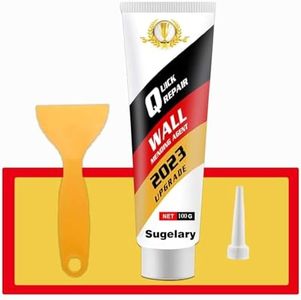
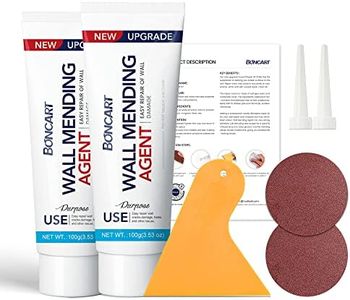
Included ToolsMany drywall repair kits contain basic tools like putty knives, sandpaper, or even mini sanding blocks. The quality and quantity of tools included can help make your project easier. A putty knife is essential for spreading compound smoothly, while sandpaper helps blend the patch with the surrounding surface. If you already have some tools at home, you might not need a kit with extras, but for beginners, choosing a kit with all necessary tools can save time and ensure a better result.
Drying TimeDrying time refers to how long you'll need to wait before sanding or painting the patched area. Some compounds set quickly (in under an hour), while others may need several hours or even overnight. If you’re doing a quick fix or need to finish repairs in a single day, look for fast-drying options. For best results, balance your need for speed with the ease of applying and sanding—sometimes slower-drying products are easier to work with for beginners.
Finish & PaintabilityThis refers to how well the repaired area blends with your existing wall and how it handles paint afterward. Some repair compounds dry to a very smooth, paint-ready surface; others may require extra sanding. If you're concerned about making the repair invisible, look for kits that highlight their ability to deliver a seamless finish and accept all types of paint. Your skill level in sanding and painting will also affect the final look, so start with a kit that's rated for easy finishing if you're a beginner.