10 Best Dustless Sanders
From leading brands and best sellers available on the web.By clicking on a link to a third party's website, log data is shared with that third party.
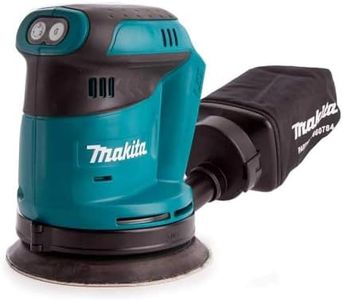
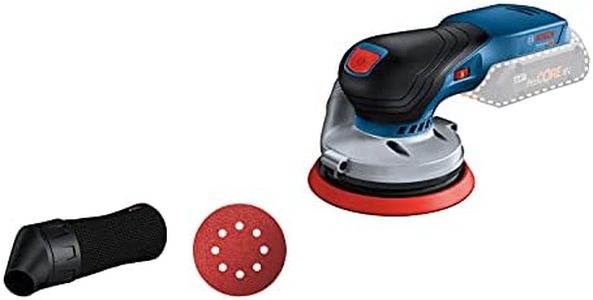
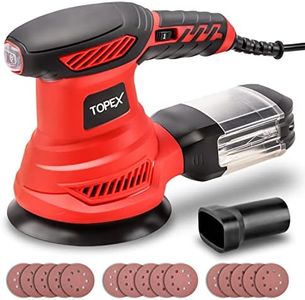
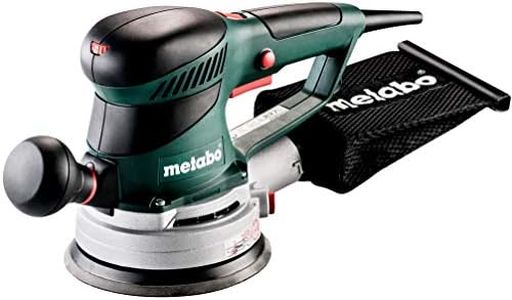
Related Products
Up to 9% off

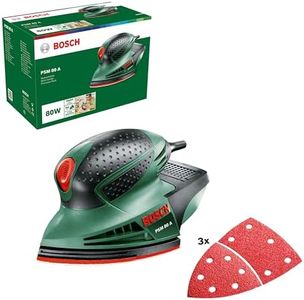
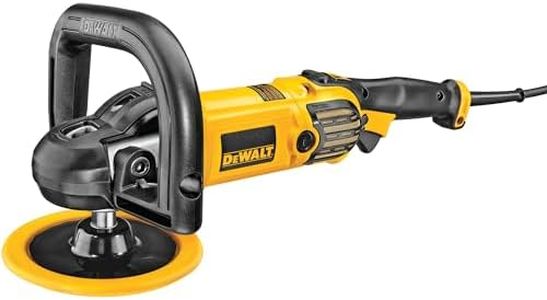
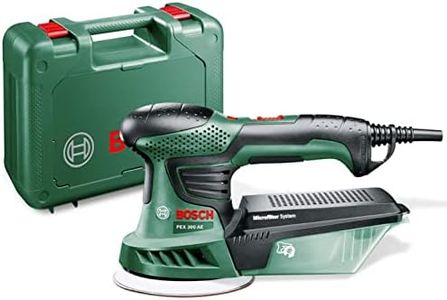
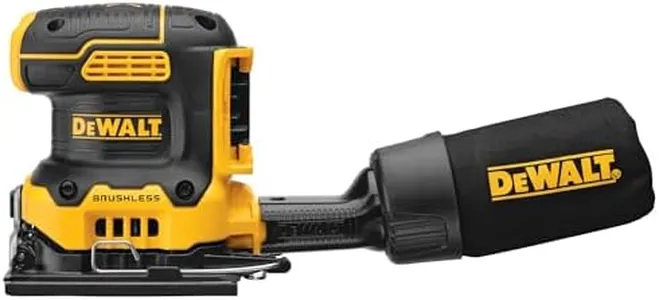


Buying Guide for the Best Dustless Sanders
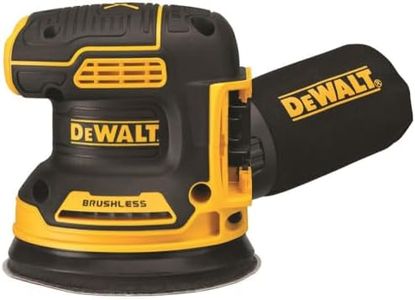
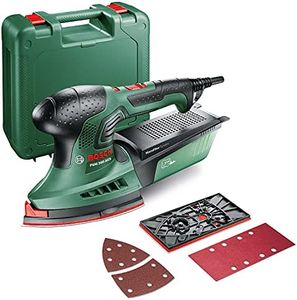
Selecting a dustless sander is a smart move if you want to keep your workspace clean and protect your health from airborne dust. These tools are designed with built-in dust collection systems that make sanding jobs much tidier and safer. To find the right dustless sander for your needs, it's essential to think about the type of projects you'll tackle most frequently, your working environment, and how much convenience you want when it comes to cleanup. Carefully considering key features will help ensure you choose a model that matches your tasks and working habits.Dust Collection SystemThe dust collection system refers to how effectively the sander can capture and contain dust during operation. This is important because it keeps your workspace cleaner and reduces inhalation of fine particles that can be harmful over time. Some sanders have built-in dust bags, while others connect to shop vacuums or have HEPA filters. Small, built-in dust pouches usually catch less dust and may need frequent emptying, making them suitable for light, occasional work. Larger dust bins or vacuum attachments are better for heavy use and larger projects because they hold more and generally capture finer particles. To decide what’s best for you, think about the size and frequency of your projects—frequent, big jobs require more robust dust capture, whereas small, occasional tasks can get by with simpler setups.
Sanding Surface TypeThis refers to the shape and size of the sander's base where the sandpaper attaches. The base size and type affects how quickly and evenly you can sand a surface and how easily you can reach corners or tight spaces. Large flat bases are ideal for broad, open surfaces like floors and walls, as they cover more area quickly. Smaller or detail-oriented bases work well for cabinetry, furniture, or tight spots. Pick a surface type that matches your most frequent tasks—large and flat for big, simple areas; small and shaped for detail work.
Power SourceThe power source refers to whether the sander is corded (electric) or cordless (battery operated). Corded sanders offer continuous power and are typically more suitable for extended use or demanding tasks because you don’t have to worry about running out of battery. Cordless models offer much more mobility and are handy for jobs away from power outlets or when you need to move around a lot. When choosing, think about where and how you'll be using the tool most often—opt for corded if you value unlimited run time, and cordless for convenience and portability.
Sanding Speed and ControlSanding speed, often shown as oscillations or rotations per minute, affects how quickly you can strip material and how much finishing control you have. Some sanders allow you to adjust speed, letting you switch between aggressive removal and finer finishing. Higher speeds remove material quickly but may be too harsh for delicate jobs, while lower speeds are gentler and give you more control for careful finishing. If you plan to work on different types of materials or jobs, variable speed is a good choice. For single-purpose, rough work, fixed-speed models may be sufficient.
Weight and ErgonomicsThe weight and shape of the sander play a big role in how comfortable it is to use, especially for longer periods. Heavier models can be tiring, but may also offer more stability for floor work. Lighter sanders are easier on the arms and better for extended use or vertical surfaces like walls. Ergonomic handles and user-friendly designs make sanding easier and reduce fatigue. Choose a model that feels balanced and comfortable in your hand, matching the sander’s weight and grip to the type and duration of projects you plan to do most.