We Use CookiesWe use cookies to enhance the security, performance,
functionality and for analytical and promotional activities. By continuing to browse this site you
are agreeing to our privacy policy
10 Best Dutch Ovens For Camping
From leading brands and best sellers available on the web.By clicking on a link to a third party's website, log data is shared with that third party.
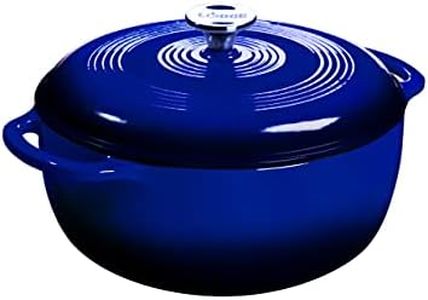
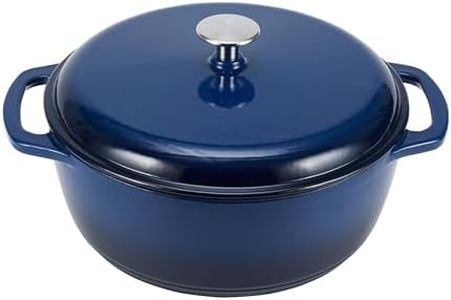
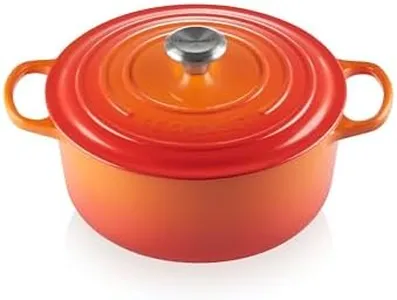
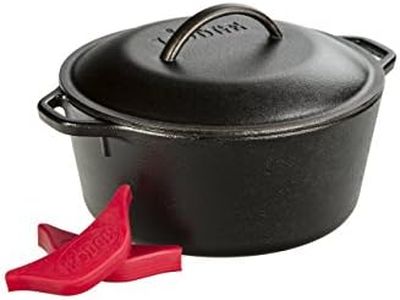
Related Products
Up to 24% off
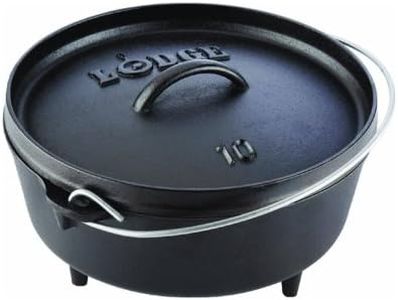
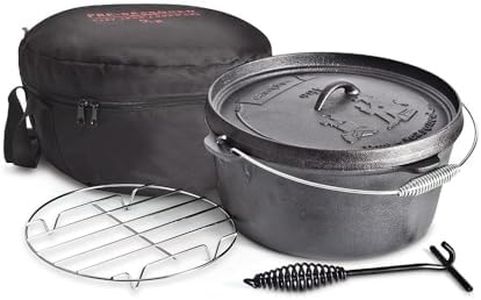
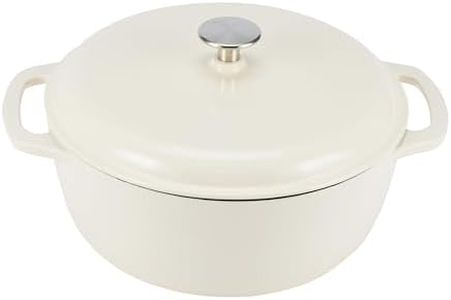
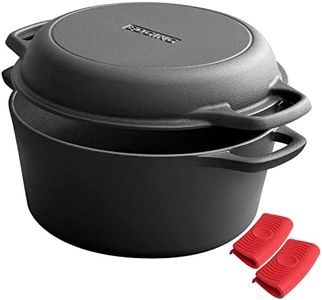
Buying Guide for the Best Dutch Ovens For Camping
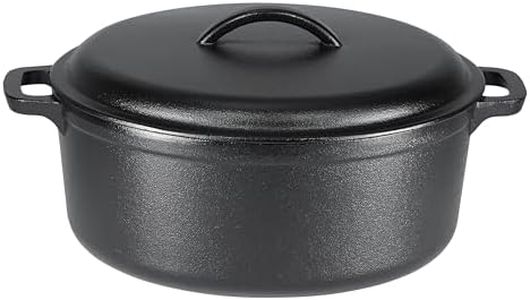
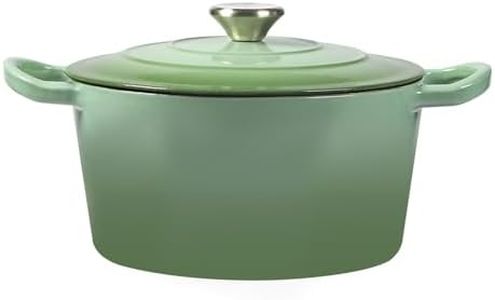
Shopping for a Dutch oven for camping can feel overwhelming, but knowing what features matter will make your decision much easier. Dutch ovens are a favorite among campers because they offer versatility and can be used to cook stews, bake bread, and even roast meats over a campfire. When choosing the best one for your needs, consider how you plan to use it, the group size you're cooking for, and how easy it will be to transport and maintain while outdoors. Focusing on the right specifications will help ensure your Dutch oven is a great match for your camping adventures.MaterialThe material of a Dutch oven plays a big role in how it cooks and how durable it is for outdoor use. The most common choices are cast iron and aluminum. Cast iron is favored because it retains heat well and provides even cooking, which is essential for successful campfire meals. However, it's quite heavy, which might be challenging if you have to carry your gear far. Aluminum Dutch ovens are much lighter and heat up quickly, but they don't hold heat as well and can be prone to hotspots. If you're cooking in a fixed campsite or with a vehicle nearby, cast iron is ideal. For backpackers or those who prioritize lightweight gear, aluminum may be the better option.
Size (Capacity)Dutch ovens come in various sizes, usually measured in quarts. For solo campers or couples, a 2-4 quart oven is typically sufficient for preparing basic meals. For groups of 4 to 6, a 6-quart Dutch oven is more versatile; larger groups will benefit from sizes up to 8 quarts or more. When considering size, think about the number of people you usually camp with and what kinds of meals you plan to make. For example, bread baking might only require a small oven, but making chili for a crowd will benefit from a larger one.
Lid DesignA Dutch oven’s lid is not just a cover—it can impact how your food cooks. Some lids are flanged, meaning they have a raised edge, which is perfect for camping since you can put coals on top for even heating, allowing for baking as well as stewing. Flat lids with a good seal are also important for retaining moisture. Consider a flanged lid if you often bake or want versatile cooking options on the fire. A well-fitting lid that keeps in steam and heat is always a plus, no matter your cooking style.
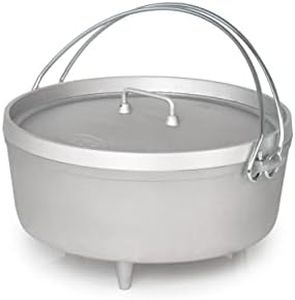
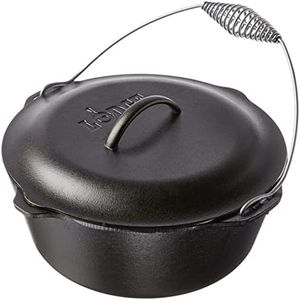
Legs and HandlesMany camping Dutch ovens have short legs that allow you to set them right over coals and a handle that lets you hang the oven over a fire. Ovens with legs are great for traditional campfire cooking, while flat-bottom models are better if you might use your oven at home or on a camp stove. The bail handle should feel sturdy and comfortable since you'll need it for lifting the oven onto or off the fire. If your main cooking setup is directly over coals, opt for a Dutch oven with legs. Otherwise, a flat-bottom might give you more flexibility.
Pre-seasoned vs. UnseasonedCast iron Dutch ovens are often sold either pre-seasoned or unseasoned. Seasoning refers to the protective layer of oil baked onto the pan, which helps prevent rust and creates a natural nonstick surface. Pre-seasoned ovens are ready to use right away and save you time and effort on your first trip. Unseasoned ovens require a bit of work up front but allow you to build up a custom seasoning layer from the start. If you’re new to cast iron, pre-seasoned is the most convenient, while seasoned veterans might prefer to develop their own.
Weight and PortabilityA Dutch oven’s weight can range widely, with cast iron varieties being the heaviest. While weight often means stability and durability, it also can be a drawback if you need to carry your cooking gear over long distances. If your camping involves hiking or has strict weight limits, a lighter oven may be preferable. For car camping or sites with little carrying, weight becomes less of a concern, and you can opt for sturdier, heavier options that hold heat best.