10 Best E Bike Helmets
From leading brands and best sellers available on the web.By clicking on a link to a third party's website, log data is shared with that third party.
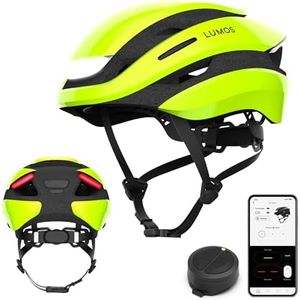
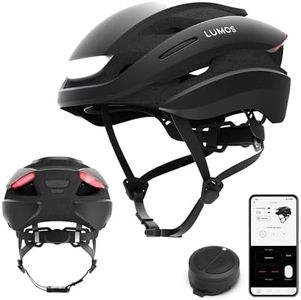
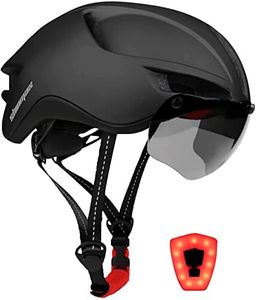
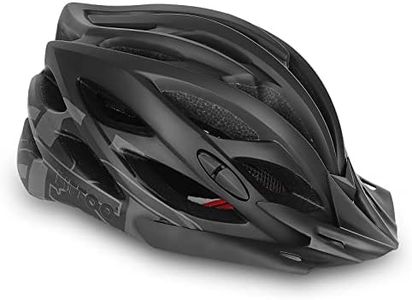
Related Products


Buying Guide for the Best E Bike Helmets
Choosing the right e-bike helmet is crucial for both safety and comfort while you ride. E-bike helmets are specifically designed to provide better protection at the higher speeds that electric bikes can reach. When picking a helmet, it’s important to focus on safety certifications, fit, comfort, ventilation, and extra features that suit your riding habits and environment. By considering these key aspects, you’ll ensure you enjoy both safe and pleasant rides every time you hop on your e-bike.Safety CertificationSafety certifications are official standards that the helmet has passed various tests to ensure it offers a certain level of protection. This spec is important because only certified helmets are tested against impacts and penetration, which can make a huge difference in an accident. Common certifications include CPSC (USA), EN 1078 (Europe), and NTA 8776, which is specific for e-bike helmets. NTA 8776 helmets are tested for higher impact energies, suitable for higher-speed e-biking. If you ride at higher speeds or in traffic, look for the more rigorous e-bike specific standards. For city and low-speed rides, standard bicycle certifications may suffice, but e-bike-specific certifications give the greatest peace of mind.
Fit and Retention SystemThe fit and retention system refers to how the helmet sits on your head and how securely it can be fastened. This is crucial because even the safest helmet won’t protect you if it’s too loose or uncomfortable. Helmets typically come in different sizes, often adjustable with a dial or straps. A proper fit means the helmet is snug but not too tight, covers your forehead, and doesn’t move around. For comfort and safety, always try on several sizes or use a size guide to measure your head circumference. If you’ll ride for long periods or on bumpy roads, an advanced retention system with easy adjustments is especially useful.
VentilationVentilation describes the number and arrangement of holes or channels in the helmet for airflow. It’s important because good ventilation helps keep your head cool and stops sweat from building up, making longer rides more comfortable. Helmets with lots of vents suit people who ride in hot climates or do a lot of physical effort. Helmets with fewer vents are warmer but can be better in cooler weather or for casual, short rides. Consider your local weather and how intense your rides are to pick the right level of ventilation for you.
WeightThe weight of the helmet affects how comfortable it feels over longer rides. Lighter helmets reduce fatigue, especially for those who ride often or for long distances. However, more robust or feature-rich helmets might weigh a bit more. Casual riders may not notice a slight weight difference, but for longer commutes, sportier rides, or if you’re sensitive to neck strain, a lighter helmet is preferable.
Visibility FeaturesVisibility features include things like reflective elements or built-in lights. This is important for safety, especially if you ride in low light, at dusk, or in areas with lots of traffic. Increased visibility helps ensure drivers and other road users see you sooner. If you mainly ride during daylight hours, you might skip these extras, but regular night riders or commuters should prioritize helmets with reflective strips or integrated rear lights.
MIPS or Similar TechnologyMIPS stands for Multi-directional Impact Protection System, a technology that reduces the risk of certain brain injuries by allowing the helmet to slide slightly upon angled impacts. This is important because many bike accidents involve twisting or angled falls rather than direct hits. MIPS and other similar technologies add an extra layer of safety, which is worth considering for anyone riding in busy environments, at high speeds, or simply looking for top-notch protection.
Coverage and ShapeCoverage refers to how much of your head the helmet protects, especially at the back and sides. Some helmets offer more coverage over the ears and the back of the head, which is particularly valued for higher-speed riding or for those wanting extra protection. The shape can also affect how the helmet fits and feels. For city commuting, a more compact, stylish form might be preferred, whereas sportier or adventure riders may opt for more full-coverage designs.