10 Best Electric Bike Racks
From leading brands and best sellers available on the web.By clicking on a link to a third party's website, log data is shared with that third party.


Related Products
Up to 6% off

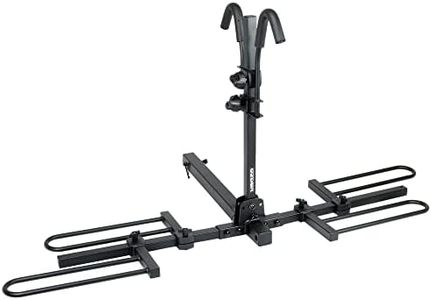

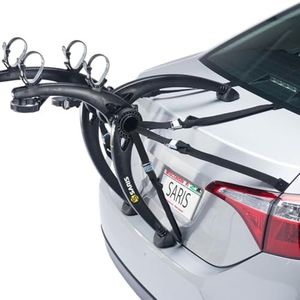
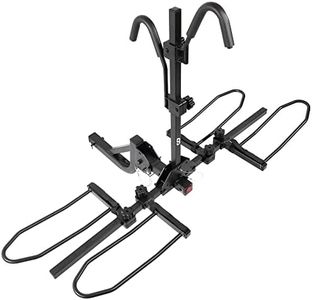
Buying Guide for the Best Electric Bike Racks
Choosing the right electric bike rack is all about ensuring that your valuable e-bike is transported safely and securely, while also making the loading and unloading process as convenient as possible. Electric bikes are heavier than regular bicycles, so it's essential to find a rack built specifically to handle that extra weight. You'll want to think about your vehicle type, how often you travel with your bike, and how many bikes you need to carry. Making a thoughtful choice will help you avoid hassle and frustration down the road.Weight CapacityWeight capacity refers to the maximum total weight the rack can support, often listed per bike. This is crucial because electric bikes are typically far heavier than traditional bicycles. Racks with a low weight capacity might not withstand the pressure, risking damage or unsafe transport. Racks usually range from about 35 lbs per bike (for lighter bikes) up to 80 lbs or more. When choosing, add up your bike's weight (including batteries if you don't plan to remove them), and pick a rack that exceeds this number for each bike you’ll carry. If you have a heavy e-bike, always prioritize models designed for that higher weight.
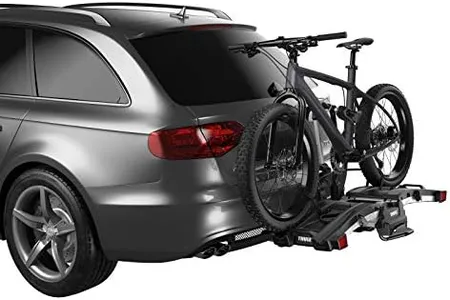
Mounting StyleMounting style tells you how and where the rack fits onto your vehicle—typically hitch-mounted, trunk-mounted, or roof-mounted. For e-bikes, hitch-mounted racks are most common because they can handle heavier weights and allow easier loading at a low height. Trunk and roof racks are less ideal due to lifting demands and often lower weight limits. If your vehicle has a hitch receiver, a hitch-mounted rack is generally the best option, but always match the rack to your vehicle’s compatibility and your physical ability to lift the bike.
Number of Bike SlotsThe number of bike slots simply indicates how many bikes the rack can transport at once. Some racks are single-bike only, while others fit two, three, or even four bikes. For e-bikes, two slots are most common since e-bikes are heavier and wider. Think about whether you'll be riding solo or with a companion, and consider future needs; it's easier to have extra capacity than to purchase a new rack later.
Ease of LoadingEase of loading refers to how simple it is to get your e-bike onto the rack. Since e-bikes are heavy, racks with features like ramps or tray designs that keep the lift low are much easier to use. Some racks hold the bikes by the wheels, others by the frame or fork. If you have trouble lifting heavy objects or want less fuss, seek out racks with loading ramps or platform designs instead of high or complicated arms.
Security FeaturesSecurity features protect your bike while it's on your vehicle, such as locks for the racks themselves and built-in cables to secure the bike. Because e-bikes are valuable, good theft deterrence is essential, especially if you plan to leave your bike on the rack while away from your car. When evaluating racks, look for models with robust locking mechanisms, and think about the environments where you’ll leave your car, especially if you’ll be away for extended periods.
Tilting or Folding CapabilityTilting or folding capability refers to how the rack moves when not in use, or when you need access to your car’s rear door or trunk. Tilting racks let you move the rack (and sometimes the bikes) out of the way for tailgate access without full removal. Folding racks collapse compactly for storage when not in use. If you regularly need trunk access or have limited storage space at home, prioritize these features.
Wheel and Tire CompatibilityWheel and tire compatibility indicates what sizes and styles of bike the rack can safely carry. Since e-bikes often have wider tires (especially on fat-tire or mountain e-bikes), not all racks designed for regular bikes will fit. Check your bike’s wheel diameter and tire width, then compare it to the rack’s limitations. If you have unusual tire sizes, it’s important to pick a rack that accommodates them without needing extra adapters.