10 Best Electric Lawn Edger
From leading brands and best sellers available on the web.By clicking on a link to a third party's website, log data is shared with that third party.
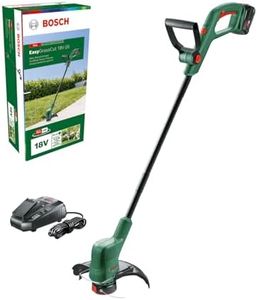
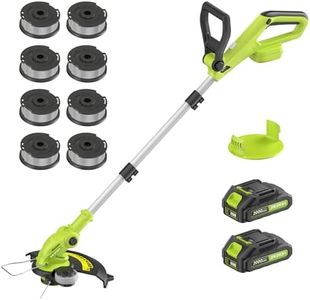
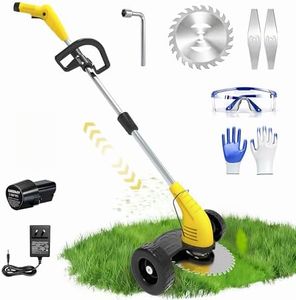

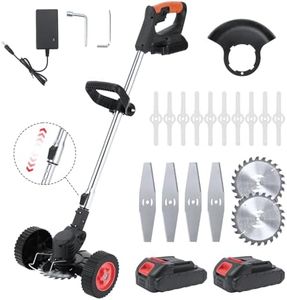
Related Products
Up to 9% off
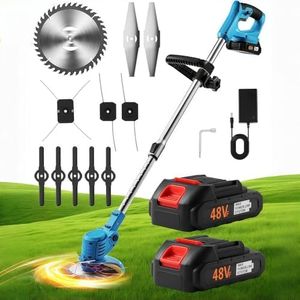
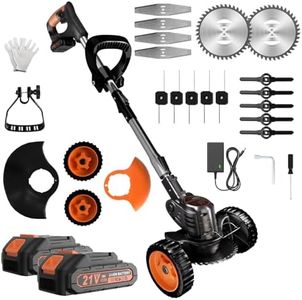
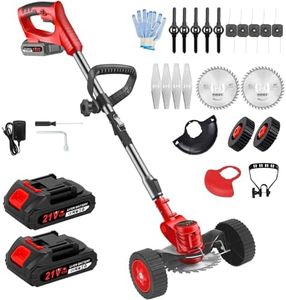
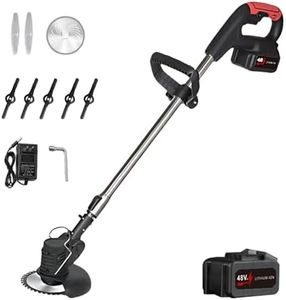
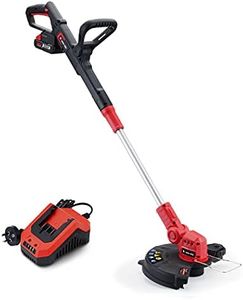
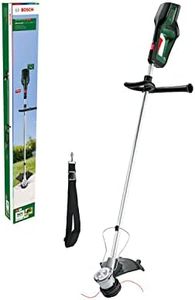
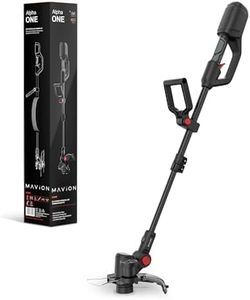

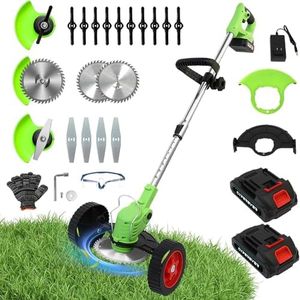
Buying Guide for the Best Electric Lawn Edger
Choosing an electric lawn edger is all about matching the tool to your lawn care needs. Electric edgers offer convenience and are typically lighter and easier to maintain than gas models, making them a good fit for most home users. Understanding the key features will help you select an edger that keeps your lawn looking tidy without unnecessary hassle. Consider the size of your yard, the type of edges you want to maintain, and your comfort with handling power tools. By focusing on certain specifications, you can find an edger that feels just right for your space and style of yard work.Power (Amperage or Voltage)Power in electric lawn edgers is commonly measured in amps for corded models or volts for battery-powered types. This spec tells you how strong the edger’s motor is, which affects how easily it can tackle tough or overgrown edges. Lower power (around 5-7 amps or 18-20V) works well for small, regularly maintained lawns with soft soil. Mid-range power (7-10 amps or 20-40V) handles average yards and slightly tougher conditions, while higher power (above 10 amps or 40V) is best for larger properties or lawns with dense grass and hard soil. Choose a power level based on how thick your lawn grasses are and how neglected your edges tend to get.
Cutting DepthCutting depth refers to how deep the blade can dig into the ground while making an edge. Adjustable cutting depth is useful because different lawn borders—sidewalks, flower beds, or driveways—may need different depths for a clean look. Typical edgers offer depths from about half an inch up to 2-3 inches. Shallow settings are great for regular maintenance and soft soil, while deeper options are better for creating new edges or working in tougher spots. Think about what kinds of edges you want: do you need deep, crisp borders or just basic tidying up? Pick an edger with depth options that match your needs.
Blade Type and SizeThe blade of an electric lawn edger is usually a round metal disc, and its size (diameter) is important for how clean and wide your edge will be. Standard sizes are between 7 and 9 inches. Larger blades can cut deeper and are helpful for tougher jobs, but they can be harder to maneuver. Smaller blades give you more control, especially around curves and tight spots. Some blades are double-edged for longer life, while others have unique shapes for special edging jobs. Think about how much precision you want and how much wear you expect on your blade when choosing the right type and size for your tasks.
Handle and WeightThe design of the handle and the overall weight of the edger affect how comfortable and easy it is to use. Lightweight models (under 10 pounds) are easier to handle, especially if you have a lot of edges or want to avoid fatigue. Heavier units can offer more stability on straight lines but may be tiring over long sessions. Adjustable handles or telescoping shafts let you set a comfortable operating height, which is especially important if you’re tall or have back problems. Think about how long you’ll be working and whether you prefer maneuverability or stability to find the best fit.
Corded vs. CordlessElectric edgers come in corded (plug-in) and cordless (battery-powered) varieties. Corded edgers can run as long as you want as long as you stay within reach of an outlet, but the cord can limit your range or get in the way. Cordless edgers offer greater freedom of movement and are best for yards with no convenient power source, but you’ll be limited by battery runtime (typically 20-60 minutes per charge). Consider your yard’s size and layout: if your edges are far from outlets or you don’t want to manage a cord, cordless is likely your best bet. Otherwise, corded can be more reliable for longer jobs.
Safety FeaturesSafety features like blade guards, two-step trigger systems, and shielded designs prevent accidents during use. A blade guard covers the spinning blade to protect you from kicks or flying debris, while a two-step trigger requires two motions to activate the edger, reducing the chances of accidental starts. Look for these features if you have kids, pets, or just want peace of mind as you work. Your comfort level with power tools should guide how many built-in safety elements you want in your electric edger.