We Use CookiesWe use cookies to enhance the security, performance,
functionality and for analytical and promotional activities. By continuing to browse this site you
are agreeing to our privacy policy
10 Best Electrical Sockets
From leading brands and best sellers available on the web.By clicking on a link to a third party's website, log data is shared with that third party.
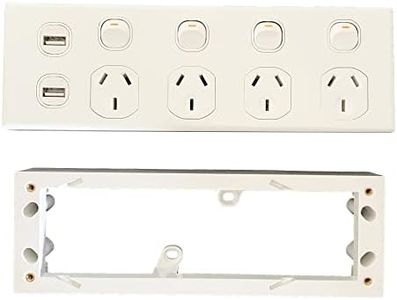
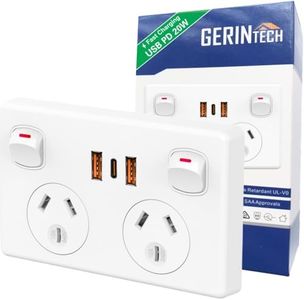
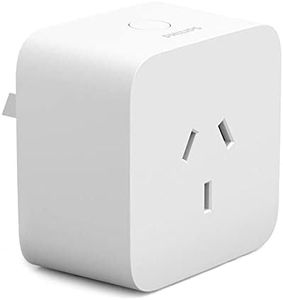
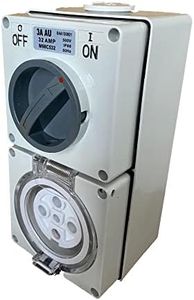
Related Products
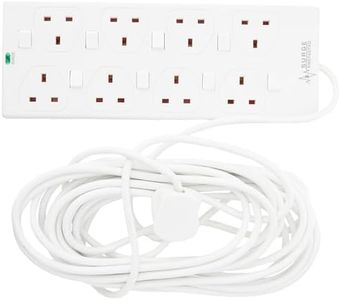
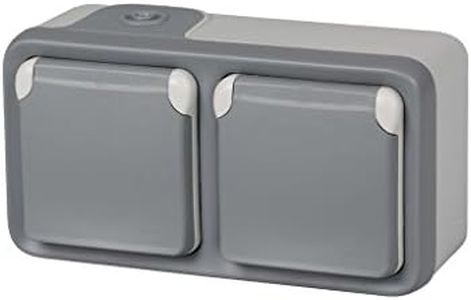
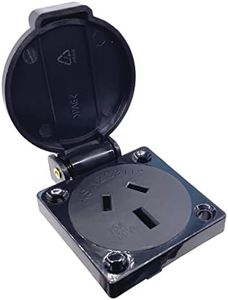
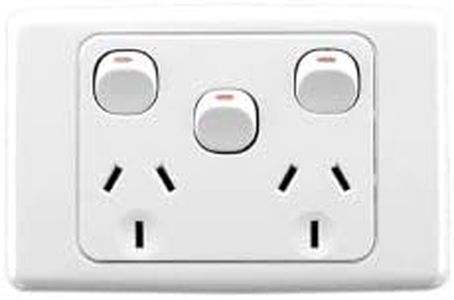
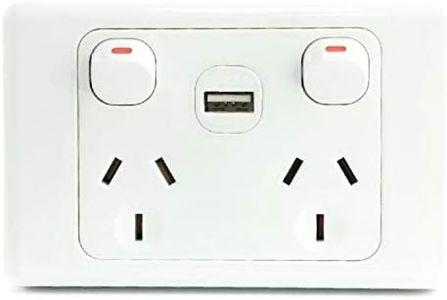
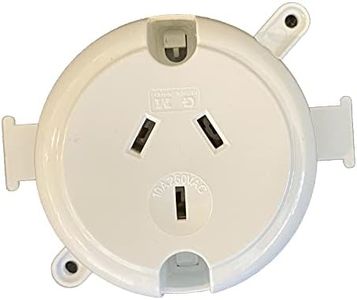
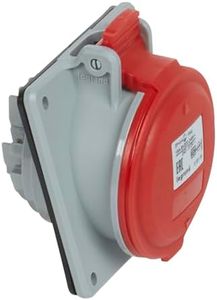
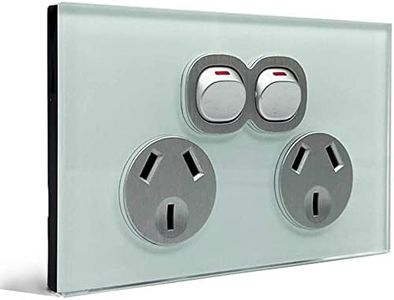
Buying Guide for the Best Electrical Sockets
Choosing the right electrical socket for your home or workspace might seem simple, but it’s actually important to ensure the safety, convenience, and compatibility with your appliances. Electrical sockets differ in design, capacity, safety features, and installation type. Understanding the key specifications will help you pick the socket that’s best suited for your requirements and prevent issues like overloading or plugging incompatibilities.Socket Type (Plug Type)Socket type refers to the physical design and pin arrangement of the electrical socket. This is important because electrical outlets and plugs come in a variety of shapes and sizes depending on the country or region. There are types like Type A, Type B, Type C, etc., each compatible with certain plugs. When choosing a socket, ensure it matches the plugs of the devices you plan to use. If you travel internationally or have electronics from different countries, consider multi-standard sockets. For most people, matching the socket to the standard used in their country is the best approach.
Current Rating (Amperage)Current rating, measured in amps (A), indicates the maximum amount of current the socket can safely carry. Common household sockets are rated for either 6A, 10A, 13A, or 16A. For smaller electronics like lamps and phone chargers, the lower ratings are sufficient, but for heavy appliances such as microwaves, air conditioners, or washing machines, a socket with a higher current rating is necessary. Always check the appliance’s requirements and select a socket that’s equal to or higher than those needs to prevent overheating or electrical hazards.
Number of OutletsThis refers to how many devices you can plug into a socket plate at one time. Options include single, double, or even multi-gang sockets. If you have limited wall space but multiple devices to connect, a double or multi-gang socket might be more convenient. However, avoid overloading by considering both the total power consumption and the current rating. Choose a number of outlets that fits your lifestyle—fewer outlets for tidy, minimal setups or more for busy households with many gadgets.
Safety FeaturesSafety features can include things like childproof shutters, surge protection, and ground (earthing) connections. These features help prevent electrical shocks, accidents, and device damage from power surges. If you have children or want to prioritize safety, look for sockets with built-in safety shutters and reliable earthing. For devices sensitive to voltage spikes, integrated surge protection is a wise choice.
Installation TypeSockets may be designed for surface mounting (protruding from the wall), flush mounting (embedded within the wall), or as part of extension leads and adapters. This affects how neat your installation will look and where you can place sockets. Flush mounting is great for a modern and tidy appearance, while surface mounting is often easier to install in existing structures. Choose the installation style that fits your renovation plans and installation skills.
Material and Build QualityThe material and build quality of a socket determine its durability and resistance to heat or impact. Sockets made from high-quality, flame-resistant plastics or with reinforced components last longer and provide better safety. When picking a socket, check for certifications or manufacturing standards that indicate good build quality. Select a model that offers solid construction, especially for locations exposed to daily wear and tear.