10 Best Electronic Dog Training Collars
From leading brands and best sellers available on the web.By clicking on a link to a third party's website, log data is shared with that third party.
Related Products
Up to 19% off
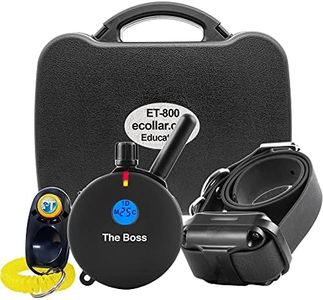

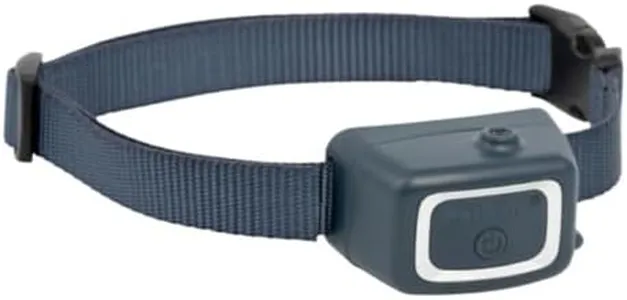

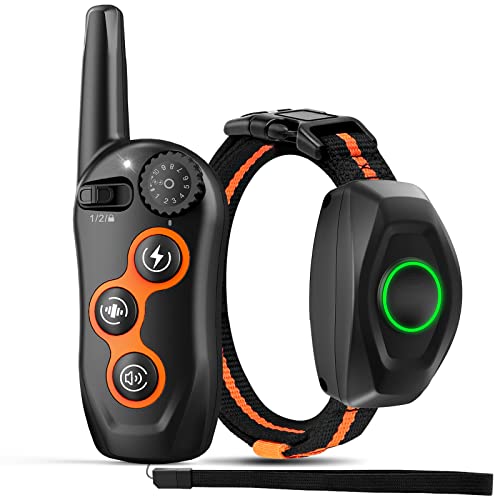
Buying Guide for the Best Electronic Dog Training Collars
Choosing an electronic dog training collar can make a big difference in your dog's training and overall behavior. The best approach is to start by thinking about your dog's size, temperament, training goals, and your own experience level. Understand what you want to accomplish (such as basic obedience, stopping unwanted barking, or off-leash recall) and use that as your guide when comparing collar features. It's important to select a collar that's gentle and effective for your particular needs, ensuring a safe and positive experience for both you and your dog.Stimulation Types and LevelsStimulation refers to the type and intensity of correction the collar delivers, such as static shock, vibration, or sound. This is important because it determines how you will communicate with your dog during training. Some dogs respond well to a beep or vibration, while others may require gentle static correction. Collars vary in how many levels they offer – basic models may have a few preset levels, while advanced ones can have dozens of fine-tune settings. Lower numbers/less intense options are good for sensitive or small dogs; more levels are helpful for tailoring the correction to your dog's response. Choose a collar that offers enough flexibility to adjust the type and strength of stimulation to your dog's specific needs and sensitivity.
RangeRange is the distance at which the remote can communicate with the collar. This matters because it dictates how far your dog can be from you and still receive commands. Short ranges (under 300 meters) are usually enough for basic yard training or close walks. Medium ranges (300-800 meters) suit larger parks or semi-open areas, while long ranges (over 800 meters) are ideal for hunters, hikers, or anyone who lets their dog roam far. Pick a range that matches where you usually train or spend time with your dog.
Dog Size CompatibilityDog size compatibility refers to both the fit of the collar and whether the stimulation is appropriate for your dog's weight and neck size. Small dogs need lightweight, gentle collars, while large, strong dogs may require sturdier units with higher power. Many collars are adjustable, but always check the recommended minimum and maximum weight or neck size to ensure comfort and effectiveness. Choose based on your dog's current size, not their expected size as they grow.
WaterproofingWaterproofing is the collar's ability to resist water, which is vital for dogs that play outside, go swimming, or get caught in the rain. Some collars are water-resistant (okay for light rain and splashes), while others are fully waterproof (can be submerged). If your dog goes near water frequently, look for collars labeled waterproof for worry-free use. Indoor-only dogs may only need water resistance.
Battery LifeBattery life indicates how long the collar and remote last between charges. Short battery life means you'll need to recharge often, which can be an inconvenience if you forget or use the collar extensively. Some collars need daily charging, while others last weeks on a single charge. If you train regularly or use long sessions, a longer battery life provides peace of mind. Think about your routine and pick a collar that matches your training schedule.
Remote Control FeaturesRemote control features cover how the remote operates, like the ease of switching modes, lockout settings to prevent accidental presses, and the ability to control multiple collars. This matters for ease of use, especially if you have more than one dog or need to switch settings quickly. Some remotes are simple, while others have screens and advanced settings. Choose based on your comfort with controls and the complexity of your training needs.
Safety FeaturesSafety features refer to built-in protections like automatic shutoff, low-battery warnings, and adjustable contact points. These help prevent accidental or prolonged corrections, keeping your dog safe. Safety features are particularly important if you're new to electronic collars or have a sensitive dog. Look for collars that offer these protections if safety is your top priority.