10 Best Electronic Training Collars
From leading brands and best sellers available on the web.By clicking on a link to a third party's website, log data is shared with that third party.
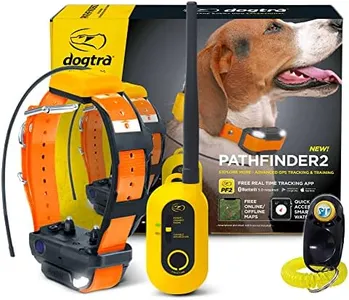
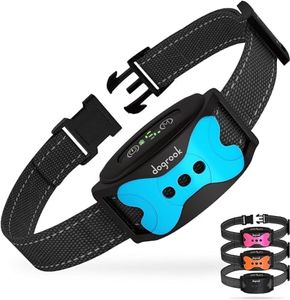
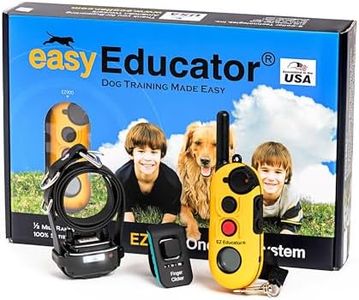

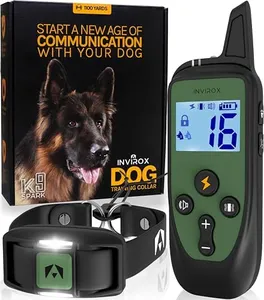
Related Products
Up to 7% off
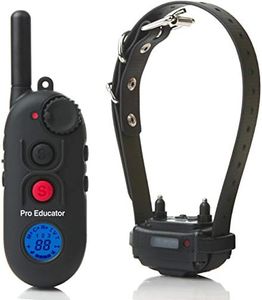
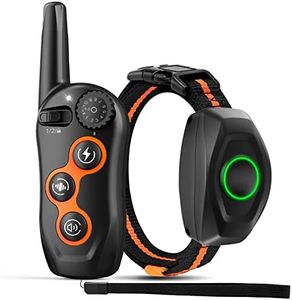
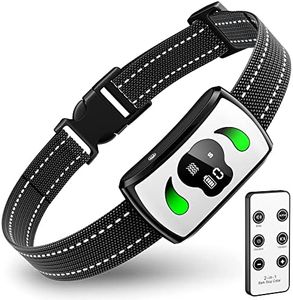
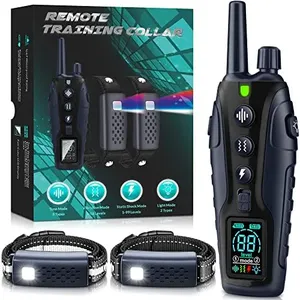
Buying Guide for the Best Electronic Training Collars
Choosing an electronic training collar for a dog requires careful consideration to ensure both effectiveness and the safety and well-being of your pet. These collars can be used for various training purposes, such as discouraging unwanted behaviors or reinforcing commands. It's important to research, understand how these devices work, and consider your dog's temperament, size, and specific training needs before making a selection. Always remember, responsible use and positive reinforcement should go hand-in-hand with any training tool.Stimulation ModesStimulation modes refer to the different ways an electronic training collar communicates with your dog. Common modes include static stimulation (a mild electronic pulse), vibration, and sound or tone. This spec is important because not all dogs respond the same way; some may need only a tone, while others may require vibration or occasional gentle static stimulus. Models that offer multiple modes give you flexibility to start with less invasive cues and only use stronger ones if necessary. It’s wise to match the mode to your dog's temperament—more sensitive or smaller dogs may respond well to sound or vibration, while stubborn dogs might need all three options available.
Adjustable Intensity LevelsAdjustable intensity levels let you control how much stimulation the collar delivers. This is crucial for ensuring the collar is both safe and effective, allowing you to fine-tune the response to your dog’s needs. Collars usually feature various levels, sometimes ranging from very mild to stronger outputs. Understanding these levels helps you to start with the lowest effective setting, observing your pet for signs of discomfort or stress. A dog that’s highly sensitive may only require the lowest setting, while a tougher, more independent dog may need a higher level. Always choose a collar that lets you make small, gradual changes in intensity.
RangeThe range of an electronic training collar indicates the maximum distance over which the collar and remote can communicate. This is important depending on how and where you plan to train your dog—shorter ranges are suitable for home or on-leash training, while larger ranges are better for field training, recall, or use in large open spaces. Ranges often start around a few hundred feet and can extend up to a mile or more. Think about your typical training environment; if your dog will always be close by, a shorter range will suffice, but if freedom or outdoor activities are common, opt for greater range.
WaterproofingWaterproofing tells you whether the collar can withstand water exposure, such as rain, puddles, or swimming. This spec matters because most dogs will encounter water or wet conditions, especially during outdoor training. Some collars are water-resistant (handle light moisture or quick splashes), while others are fully waterproof (can be submerged). If your dog enjoys water or you live in a rainy area, choosing a fully waterproof collar ensures the device remains functional and safe during all activities.
Battery Life and ChargingBattery life indicates how long the collar and remote will operate before needing a recharge. Longer battery life means less frequent charging and more convenience. Some devices use standard or replaceable batteries, while others use rechargeable ones. Consider how often you’ll use the collar—if it’s daily or for long sessions, longer battery life or quicker charging times are valuable. Make sure the battery arrangements align with your training habits so you’re not caught with a dead collar when you need it.
Size and FitSize and fit refer to the physical dimensions of the collar and how comfortably it sits on your dog's neck. This is key for both effectiveness and comfort; an ill-fitting collar could be ineffective or could hurt your dog. Collars often come adjustable, but they have a recommended size or weight range. Small dogs require light, slim collars, while bigger breeds need sturdier, wider models. Measure your dog’s neck and check that both the size of the collar and the range of adjustment match your dog’s size and weight to ensure a good, safe fit.
Safety FeaturesSafety features may include automatic shut-off (to prevent overstimulation), lockouts to avoid accidental presses, and safety covers for buttons. These are important to protect your dog from unintentional or prolonged stimulation. When browsing, look for collars that clearly describe these safeguards, especially if multiple people may use the device or if there’s a risk of accidental activation. If you’re new to training collars, these features add an extra layer of protection for your pet.